Uncategorized

Uncategorized

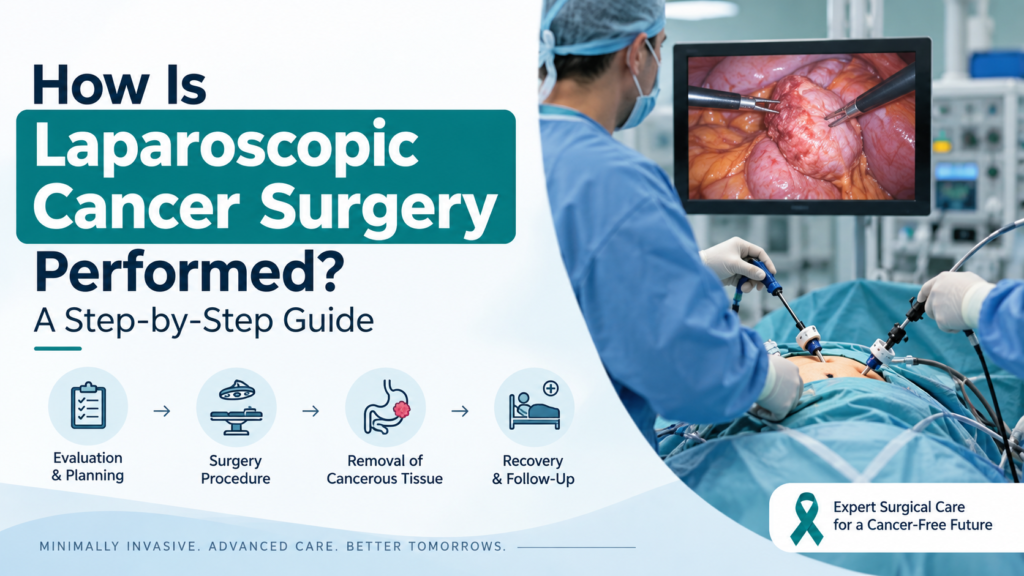
How Is Laparoscopic Cancer Surgery Performed? A Step-by-Step Guide

Being told that you may need cancer surgery can feel overwhelming. Many patients have questions about how the surgery is performed, whether it is safe, how long recovery takes, and whether a minimally invasive approach is possible. Laparoscopic Cancer Surgery in Lucknow is an advanced surgical approach that may be considered for selected cancers, particularly certain gastrointestinal cancers. Instead of making one large incision, the surgeon uses small incisions and specialized instruments to access and treat the affected area. Dr. Pradeep Joshi, Senior Laparoscopic & Gastrointestinal Surgeon in Lucknow, specializes in advanced laparoscopic procedures, GI oncology, gastrointestinal surgery, liver and pancreatic surgery, and other complex minimally invasive procedures. The exact surgical approach depends on the type and stage of cancer, its location, the patient’s overall health, and the surgeon’s assessment. What Is Laparoscopic Cancer Surgery? Laparoscopic Cancer Surgery in Lucknow is a minimally invasive surgical technique used to remove cancerous tissue or tumors through small abdominal incisions. A thin camera called a laparoscope is inserted through one of these openings. The camera provides a magnified view of the surgical area on a monitor. The surgeon then uses specialized instruments through additional small incisions to perform the procedure. Depending on the cancer, surgery may involve removing a tumor, part of an organ, nearby lymph nodes, or other affected tissues. In some cases, reconstruction may also be required. The goal of Minimally Invasive Cancer Surgery in Lucknow is to provide effective cancer surgery while limiting the size of surgical wounds when laparoscopic treatment is appropriate. Who May Need Laparoscopic Cancer Surgery in Lucknow? Not every cancer patient is a candidate for laparoscopic surgery. The decision depends on several important factors. A surgeon may consider: Type of cancer Location of the tumor Size of the tumor Stage of cancer Involvement of nearby organs Lymph node involvement Previous abdominal surgeries Overall health and fitness for anesthesia Need for complex reconstruction Availability of appropriate surgical expertise Certain gastrointestinal cancers may be suitable for a laparoscopic approach. However, cancer surgery must always prioritize complete and appropriate removal of the disease. A consultation with an experienced Laparoscopic Cancer Surgeon in Lucknow can help determine whether this approach is suitable for an individual patient. How Is Laparoscopic Cancer Surgery in Lucknow Performed? Understanding the steps involved can make the surgical process easier to understand. While each operation is different, the general process usually includes the following stages. Step 1: Cancer Evaluation Before Surgery Before Laparoscopic Cancer Surgery in Lucknow, the surgical team performs a detailed evaluation. The doctor may review previous medical records, pathology reports, scans, blood tests, and other diagnostic information. Imaging tests such as CT scans or MRI may help determine the location and extent of the cancer. The surgeon also reviews the patient’s medical history, medications, allergies, previous surgeries, and general health. This evaluation helps the surgical team understand the disease and plan an appropriate treatment strategy. Step 2: Determining the Surgical Approach Once the cancer has been evaluated, the surgeon determines whether laparoscopic surgery is appropriate. For some patients, laparoscopic surgery may provide an effective minimally invasive option. For others, open surgery may be safer or more appropriate because of the location, size, spread, or complexity of the cancer. An experienced Laparoscopic Cancer Surgeon in Lucknow considers both the cancer treatment goals and the patient’s individual circumstances before recommending an approach. The decision should not be based only on having smaller incisions. The most important goal is appropriate cancer treatment. Step 3: Preoperative Preparation Before surgery, the patient receives instructions regarding food, fluids, medications, and other preparations.  Depending on the procedure, bowel preparation or other specific preparation may be required. The anesthesia team also evaluates the patient before surgery. Routine investigations may include blood tests, an ECG, chest evaluation, or other tests when medically necessary. Patients should inform their doctor about all medications and supplements they take. Good preparation can help reduce avoidable complications and support a smoother surgical experience. Step 4: General Anesthesia Laparoscopic GI Cancer Surgery in Lucknow is generally performed under general anesthesia. The patient remains asleep and does not feel the surgical procedure. The anesthesia team continuously monitors important parameters such as heart rate, blood pressure, oxygen levels, and breathing throughout the operation. After anesthesia is administered, the surgeon and surgical team prepare the abdomen for the procedure. Step 5: Creating Small Surgical Incisions One of the key features of laparoscopic surgery is the use of small incisions. Instead of making one large opening, the surgeon generally creates several small openings in the abdomen. The exact number and position depend on the type of cancer surgery being performed. Through one incision, the laparoscope is introduced. Other openings allow the surgeon to insert specialized surgical instruments. These instruments are designed to help the surgeon perform precise movements within the abdomen. Step 6: Introducing the Laparoscope The laparoscope contains a camera and light source. It allows the surgeon to see the internal organs on a high-resolution monitor. camera can provide a magnified view of the surgical area, helping the surgeon identify important anatomical structures. This enhanced visualization is one of the important components of Minimally Invasive Cancer Surgery in Lucknow. The surgeon carefully examines the operative area before proceeding with the planned cancer procedure. Step 7: Identifying the Tumor and Surrounding Structures The surgeon carefully identifies the tumor and evaluates surrounding tissues. Depending on the type of cancer, nearby lymph nodes and other structures may also need to be assessed or removed. Cancer surgery requires careful attention to anatomy because important blood vessels, nerves, ducts, and organs may be located close to the tumor. The surgical plan is followed while maintaining the principles of safe and appropriate cancer removal. Step 8: Removing the Cancerous Tissue The next stage involves removing the tumor or affected organ segment. The exact procedure depends on the type of cancer. For example, surgery for a gastrointestinal tumor may involve removing the affected section of the digestive tract along with nearby lymph nodes. In selected cases, procedures may involve the stomach, intestine, gallbladder, liver, pancreas, or other structures. GI Cancer Surgery in Lucknow may therefore involve different techniques
Uncategorized

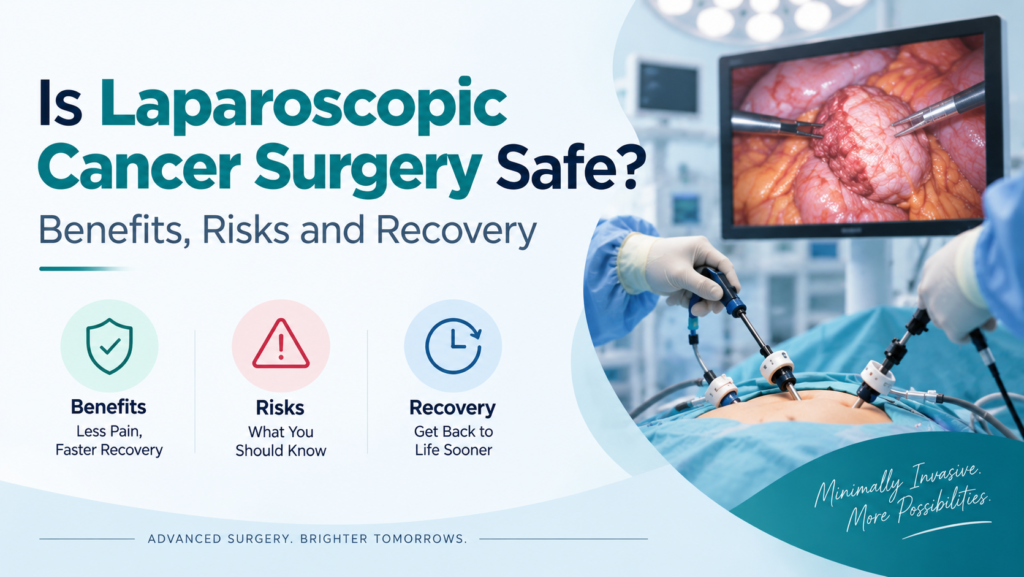
Is Laparoscopic Cancer Surgery Safe? Benefits, Risks and Recovery

Cancer surgery can feel frightening, especially when you hear the word “surgery.” Many patients worry about pain, recovery time, complications, and whether surgery will completely remove the cancer. Today, advances in surgical techniques have made it possible to treat selected cancers through smaller incisions. One such approach is laparoscopic surgery. Laparoscopic Cancer Surgery in Lucknow is a minimally invasive surgical approach that may be considered for certain cancers, particularly some gastrointestinal cancers. Instead of making one large incision, the surgeon uses small cuts and specialized instruments to perform the procedure. A small camera, called a laparoscope, helps the surgeon see the organs clearly during surgery. However, laparoscopic surgery is not suitable for every patient or every type of cancer. The decision depends on the location and stage of the cancer, the patient’s overall health, previous surgeries, and other medical factors. Dr. Pradeep Joshi, Senior Laparoscopic & Gastrointestinal Surgeon, has expertise in advanced laparoscopic procedures, GI oncology, and gastrointestinal surgery. His areas of specialization include laparoscopic GI surgery, cancer surgery, HPB surgery, liver surgery, and other complex gastrointestinal procedures. What Is Laparoscopic Cancer Surgery? Laparoscopic Cancer Surgery in Lucknow involves using specialized instruments and a small camera to perform cancer-related surgery through small abdominal incisions. The laparoscope sends images to a monitor, allowing the surgical team to view the area being treated. Depending on the cancer, the procedure may involve removing a tumor, part of an affected organ, nearby tissues, or lymph nodes. The exact operation varies from one cancer to another. For selected patients, this approach can offer the benefits of minimally invasive surgery while still allowing the surgeon to perform the necessary cancer operation. Laparoscopic surgery may be considered for certain gastrointestinal cancers, including some cancers involving the stomach, colon, rectum, and other parts of the digestive system. However, suitability must always be assessed individually. Is Laparoscopic Cancer Surgery Safe? The safety of Laparoscopic Cancer Surgery in Lucknow depends on several factors. Laparoscopic procedures have become an important part of modern surgical care, but like every major operation, they carry potential risks. A laparoscopic approach can be safe and effective when the patient is appropriately selected and the procedure is performed by a trained surgical team with suitable experience and equipment. Before recommending surgery, the surgeon generally reviews diagnostic scans, biopsy reports, blood tests, medical history, and the overall condition of the patient. The cancer stage and location are also important considerations. In some cases, open surgery may be more appropriate. Therefore, laparoscopic surgery should not be considered automatically better than open surgery. The safest approach is the one that provides appropriate cancer treatment for the individual patient. Benefits of Laparoscopic Cancer Surgery in Lucknow One of the main reasons patients may consider Minimally Invasive Cancer Surgery in Lucknow is the possibility of recovering with smaller surgical wounds. Some potential benefits of laparoscopic surgery include: Smaller Incisions Laparoscopic procedures generally use several small incisions instead of one large incision. Smaller wounds may cause less disruption to the abdominal wall. Less Postoperative Pain Some patients experience less pain after laparoscopic surgery compared with traditional open surgery. However, pain levels vary depending on the type and extent of the operation. Faster Recovery A minimally invasive approach may allow some patients to return to normal activities sooner. Recovery depends on the cancer type, procedure performed, general health, and whether additional treatment is required. Shorter Hospital Stay Certain laparoscopic procedures may allow patients to leave the hospital sooner than they might after comparable open surgery. The length of hospital stay depends on the operation and individual recovery. Smaller Scars Because laparoscopic surgery uses smaller incisions, the resulting scars may be smaller than those associated with traditional open surgery. Earlier Return to Daily Activities Patients who recover well may gradually return to walking, household activities, work, and other normal routines. These benefits are not guaranteed for every patient. The surgical plan should always prioritize complete and appropriate cancer treatment. What Types of Cancer Can Be Treated With Laparoscopic Surgery? Not every cancer can be treated laparoscopically. The suitability of Laparoscopic GI Cancer Surgery in Lucknow depends on the type, location, stage, and extent of the disease. Laparoscopic techniques may be used in selected cases of gastrointestinal cancers, such as: Colon cancer Rectal cancer Stomach cancer Certain small bowel cancers Selected cancers involving other gastrointestinal organs Some liver and pancreatic procedures may also be performed using minimally invasive techniques in appropriately selected patients. Cancer surgery can be complex. In advanced or complicated cases, open surgery may be recommended if it offers better access or cancer control. Role of a Laparoscopic Cancer Surgeon in Lucknow Choosing an experienced Laparoscopic Cancer Surgeon in Lucknow is an important part of planning cancer surgery. Cancer operations require more than simply removing a visible tumor. The surgeon must consider the cancer’s location, surrounding structures, lymph nodes, margins, and the overall treatment plan. Dr. Pradeep Joshi has specialized training in surgical gastroenterology and experience in advanced laparoscopic and gastrointestinal procedures. His professional qualifications include MBBS, MS in General Surgery, and MCh in Surgical Gastroenterology/GI Surgery. His previous professional experience includes working as a consultant at Rajiv Gandhi Cancer Hospital and Indraprastha Apollo Hospital in New Delhi, as well as serving as an Associate Professor at King George’s Medical University, Lucknow. For cancer patients, the surgical plan should be developed after reviewing the complete clinical picture. GI Cancer Surgery in Lucknow: When Is It Recommended? GI Cancer Surgery in Lucknow may be recommended when a cancer affecting the gastrointestinal tract can be treated effectively with surgery. Surgery may be part of treatment for cancers involving the: Stomach Colon Rectum Small intestine Liver Pancreas Other parts of the gastrointestinal system In some patients, surgery may be the primary treatment. In others, chemotherapy, radiation therapy, targeted therapy, or immunotherapy may be given before or after surgery. The treatment plan depends on the cancer type and stage. A multidisciplinary approach can be especially important in complex cancer cases. Surgeons may work with medical oncologists, radiation oncologists, radiologists, pathologists, anesthetists, and other specialists

Uncategorized

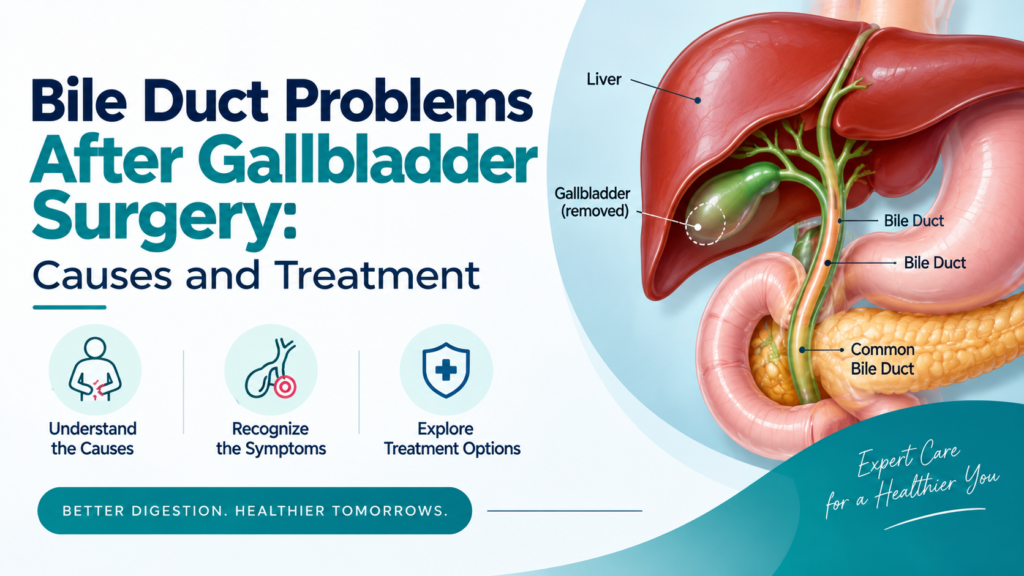
Bile Duct Problems After Gallbladder Surgery: Causes and Treatment

Gallbladder surgery, also called cholecystectomy, is one of the most common abdominal surgeries. It is usually performed to treat gallstones, repeated gallbladder inflammation, or other gallbladder-related problems. Most people recover well after surgery and return to their normal activities. However, in some cases, problems involving the bile ducts can occur after gallbladder surgery. Bile ducts are small tubes that carry bile from the liver and gallbladder to the intestine. Bile helps the body digest fats. If a bile duct becomes blocked, narrowed, injured, or develops a leak, it may cause symptoms that need medical attention. Understanding these problems can help patients recognise warning signs early. If you are experiencing persistent abdominal pain, jaundice, fever, vomiting, or digestive problems after gallbladder surgery, an experienced specialist can evaluate the cause and recommend appropriate treatment. For patients looking for Bile Duct Surgery in Lucknow, Dr. Pradeep Joshi, Senior Laparoscopic & Gastrointestinal Surgeon, provides specialised care for complex gastrointestinal and hepatobiliary conditions. What Are the Bile Ducts? The bile ducts form a network of small tubes that transport bile from the liver to the small intestine. The gallbladder stores bile, but it is not essential for producing it. After gallbladder removal, the liver continues to make bile, which flows directly into the intestine through the bile ducts. The main bile duct is called the common bile duct. Problems affecting this duct can interfere with normal bile flow. When bile cannot flow properly, patients may develop abdominal discomfort, yellowing of the skin or eyes, dark urine, pale stools, nausea, or other symptoms. Early assessment is important because some bile duct problems can become serious if left untreated. Why Can Bile Duct Problems Occur After Gallbladder Surgery? Bile duct problems after gallbladder surgery can have several causes. Some may be related to stones that remain in the bile duct, while others can occur because of inflammation, narrowing, injury, or leakage. Common causes include: Retained bile duct stones Bile duct injury Bile leakage Bile duct narrowing or stricture Scar tissue Infection of the bile ducts Inflammation Rarely, other diseases affecting the liver or bile ducts Not every patient with symptoms after gallbladder surgery has a bile duct problem. Therefore, proper evaluation is necessary before deciding on treatment. Bile Duct Stones After Gallbladder Surgery One possible cause of symptoms after gallbladder removal is a stone remaining in the bile duct. These are known as common bile duct stones or choledocholithiasis. A stone may have been present in the bile duct before surgery but not detected. In other cases, a stone can develop later. a bile duct stone can partially or completely block the flow of bile. This may lead to abdominal pain, jaundice, nausea, vomiting, fever, or infection. Depending on the location and size of the stone, treatment may involve endoscopic procedures such as ERCP or, in selected cases, surgery. Patients searching for Bile Duct Treatment in Lucknow should undergo appropriate imaging and evaluation before treatment is selected. Symptoms of Bile Duct Problems After Gallbladder Surgery The symptoms can vary depending on the underlying problem. Some patients may have mild digestive symptoms, while others can develop significant obstruction or infection. Possible symptoms include: Pain in the upper abdomen Pain on the right side of the abdomen Yellow skin or eyes Dark-coloured urine Pale or clay-coloured stools Fever or chills Nausea and vomiting Loss of appetite Persistent bloating Itching Digestive discomfort Unexplained weakness Jaundice, severe abdominal pain, fever, or repeated vomiting after gallbladder surgery should not be ignored. A qualified Bile Duct Surgeon in Lucknow can determine whether the symptoms are related to the bile ducts, liver, pancreas, or another digestive condition. Bile Duct Obstruction After Gallbladder Surgery A blockage in the bile duct can prevent bile from reaching the intestine. This condition is known as bile duct obstruction. Gallstones are a common cause, but obstruction may also occur because of scar tissue, strictures, inflammation, or other conditions. When bile flow is blocked, bilirubin can build up in the bloodstream. This may cause jaundice and dark urine. Bile Duct Obstruction Treatment in Lucknow depends on the cause, location, severity, and overall health of the patient. Treatment may include endoscopic procedures, stone removal, stent placement, or surgery when necessary. Bile Duct Injury After Gallbladder Surgery Bile duct injury is an uncommon but recognised complication of gallbladder surgery. It can occur when the anatomy is difficult to identify or when the bile duct is accidentally damaged during the procedure. An injury may cause bile to leak into the abdominal cavity or may lead to narrowing of the bile duct. Possible symptoms include abdominal pain, fever, nausea, jaundice, abdominal swelling, or abnormal liver function tests. The treatment depends on the type and seve rity of the injury. Some patients may require endoscopic treatment, while complex injuries may need reconstructive surgery. This is one reason why complex hepatobiliary problems should be assessed by an experienced gastrointestinal surgeon. Bile Leakage After Gallbladder Surgery Bile leakage can occur when bile escapes from the bile ducts or the area where the gallbladder was removed. Small leaks may sometimes resolve with appropriate treatment. However, persistent leakage can cause abdominal inflammation, infection, or fluid collection. Doctors may use imaging tests to identify the source of the leak. Treatment can include drainage, endoscopic procedures, stent placement, or surgery depending on the situation. Prompt medical evaluation is particularly important when a patient develops worsening abdominal pain or fever after gallbladder surgery. Bile Duct Stricture After Gallbladder Surgery A bile duct stricture means that part of the bile duct has become narrowed. It may develop because of scar tissue following inflammation, injury, or previous surgery. A narrowed bile duct can restrict bile flow and eventually cause jaundice or abnormal liver function. Some strictures can be managed using endoscopic procedures, balloon dilation, or temporary stent placement. Complex or recurrent strictures may require surgical reconstruction. The treatment plan should be personalised after detailed imaging and evaluation. How Are Bile Duct Problems Diagnosed? Doctors may use several tests to understand the cause of symptoms after gallbladder surgery. Liver Function Tests Blood tests can measure bilirubin and liver

Scroll to Top