
Pancreatic Surgery in Lucknow
- Home
- Pancreatic Surgery in Lucknow
The pancreas is an important organ located behind the stomach. It produces digestive enzymes and hormones such as insulin that help regulate blood sugar. Diseases affecting the pancreas can include pancreatic cancer, pancreatic cysts, neuroendocrine tumours, chronic pancreatitis, and other conditions that may sometimes require surgical treatment.
Pancreatic Surgery in Lucknow includes surgical procedures used to treat selected diseases and tumours of the pancreas. Depending on the condition, surgery may involve removing the head, body, or tail of the pancreas, or in selected cases, the entire pancreas. The appropriate procedure depends on the location and nature of the disease, its extent, involvement of nearby structures, pancreatic function, and the patient’s overall health.
Dr. Pradeep Joshi is a trained gastrointestinal, onco, and bariatric surgeon with specialised qualifications in Surgical Gastroenterology. He completed his MBBS from GSVM Medical College, Kanpur, MS in General Surgery from SMS Medical College, Jaipur, and MCh in Surgical Gastroenterology from JIPMER, Pondicherry.
His clinical interests include laparoscopic GI surgery, GI oncology, liver and pancreatic surgery, hepatobiliary surgery, and bariatric surgery. Each patient is assessed individually to determine the appropriate surgical approach based on the diagnosis, imaging findings, pathology, pancreatic function, general health, and treatment requirements.
What Is Pancreatic Surgery in Lucknow?
Pancreatic Surgery in Lucknow refers to surgical treatment for selected conditions affecting the pancreas. The operation may involve removing a portion of the pancreas, a pancreatic tumour, nearby tissues, or other structures when required for appropriate treatment.
The type of surgery depends mainly on where the disease is located. Tumours involving the head of the pancreas may require a Whipple procedure, also called pancreaticoduodenectomy. Tumours involving the body or tail may be treated with a distal pancreatectomy. In selected cases where disease affects most or all of the pancreas, a total pancreatectomy may be considered.
Depending on the condition and surgical requirements, pancreatic surgery may be performed using open, laparoscopic, or robotic techniques when appropriate.
What Conditions Can Require Pancreatic Surgery?
Pancreatic surgery may be considered for several conditions, including:
- Pancreatic cancer
- Selected pancreatic neuroendocrine tumours
- Certain pancreatic cystic lesions
- Selected benign pancreatic tumours
- Chronic pancreatitis in appropriate cases
- Pancreatic injuries in selected situations
- Other pancreatic conditions that cannot be appropriately managed with non-surgical treatment
Not every pancreatic condition requires surgery. The decision depends on the diagnosis, symptoms, imaging findings, tumour characteristics, pancreatic function, and the potential benefits and risks of an operation.
What Are the Main Types of Pancreatic Surgery?
The type of pancreatic surgery depends largely on the location of the disease.
Whipple procedure: Also called pancreaticoduodenectomy, this operation is generally used for selected tumours involving the head of the pancreas. It involves removal of the pancreatic head along with the duodenum, part of the bile duct, gallbladder, nearby lymph nodes, and, in some cases, part of the stomach. The remaining digestive structures are then reconnected.
Distal pancreatectomy: This procedure removes the body and tail of the pancreas. The spleen may also need to be removed depending on the disease and surgical plan.
Total pancreatectomy: This involves removal of the entire pancreas and may also involve removal of the spleen, gallbladder, common bile duct, nearby lymph nodes, and portions of the digestive tract depending on the disease. Because the pancreas produces digestive enzymes and insulin, patients undergoing total pancreatectomy require lifelong management of these functions.
How Are Pancreatic Conditions Diagnosed Before Surgery?
Diagnosis usually begins with a detailed medical history, physical examination, blood tests, and imaging. Depending on the suspected condition, investigations may include ultrasound, contrast-enhanced CT, MRI or MRCP, endoscopic ultrasound, and tissue sampling when appropriate.
When Is Pancreatic Surgery Recommended?
Pancreatic Surgery in Lucknow may be recommended when the underlying condition can be treated appropriately through surgery and the patient is fit to undergo the procedure.
For pancreatic cancer, one of the most important considerations is whether the tumour can be removed completely without unacceptable involvement of major nearby blood vessels or other structures. Treatment decisions also depend on the cancer stage, overall health, and response to any treatment given before surgery.
Factors that may influence the decision include:
- Type of pancreatic disease
- Location of the tumour or lesion
- Size and number of lesions
- Cancer stage, when applicable
- Involvement of nearby blood vessels
- Involvement of the bile duct or digestive tract
- Lymph-node involvement
- Pancreatic and overall nutritional function
- Previous abdominal or pancreatic surgery
- General health and ability to tolerate major surgery
Some patients with pancreatic cancer may receive chemotherapy, with or without radiotherapy, before surgery. Others may undergo surgery followed by additional treatment depending on the final pathology and overall treatment plan.

How Is Pancreatic Surgery in Lucknow Performed?
The surgical technique depends on the type of pancreatic condition and the procedure required.
Before surgery, the surgeon reviews imaging scans, pathology reports where available, blood tests, pancreatic and liver function, previous medical history, medications, and other relevant investigations.
During surgery, the affected portion of the pancreas is removed along with surrounding structures when required. In cancer surgery, nearby lymph nodes and tissues may also be removed according to the surgical plan.
For a Whipple procedure, the surgeon removes the head of the pancreas and other nearby structures and then reconnects the remaining pancreas, bile duct, and stomach or intestine to the small intestine to restore digestive continuity.
A distal pancreatectomy involves removal of the body and tail of the pancreas, with removal of the spleen in selected cases.
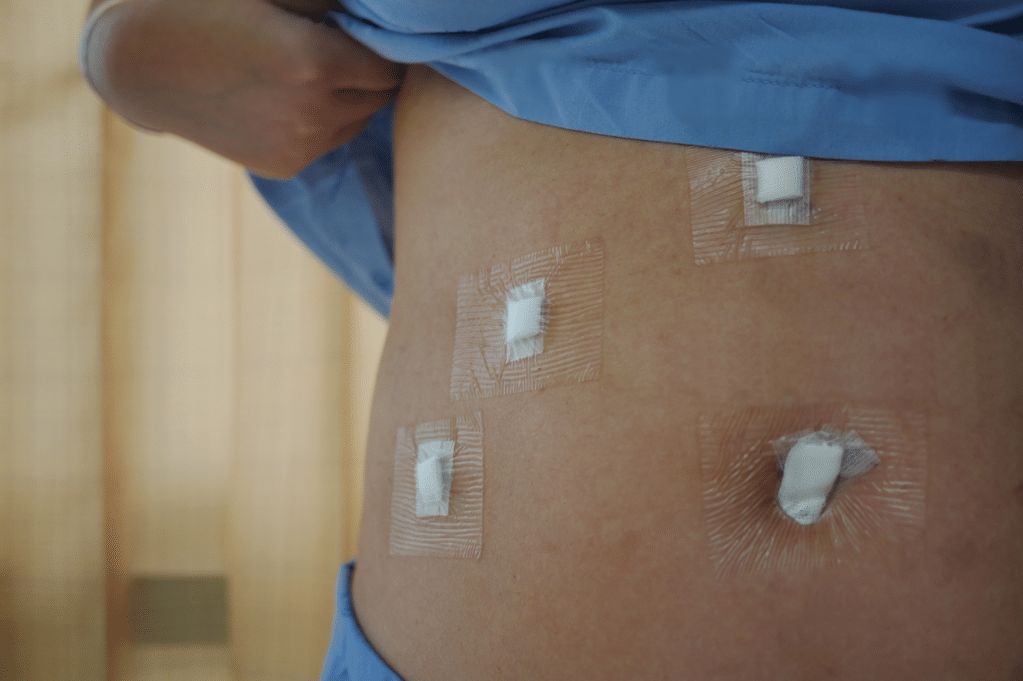
Some pancreatic procedures can be performed using minimally invasive techniques. However, open surgery may be necessary for large or complex tumours, involvement of nearby structures, extensive disease, or when it provides better surgical access and control.
What Are the Benefits of Pancreatic Surgery?
When surgery is appropriate, its main purpose is to remove the diseased or cancerous tissue and achieve appropriate local control of the condition.
Depending on the diagnosis and procedure, potential benefits may include:
- Removal of a pancreatic tumour
- Treatment of selected pancreatic cancers
- Removal of selected pancreatic cysts or tumours
- Treatment of certain complications of chronic pancreatitis
- Removal of tissue for detailed pathological examination
- Relief of symptoms caused by selected pancreatic conditions
- Potential contribution to long-term cancer control in appropriately selected patients
The expected benefit depends on the disease, its stage and extent, the possibility of complete removal, pancreatic function, and whether additional treatment is required.
Why Choose Dr. Pradeep Joshi for Pancreatic Surgery?
Dr. Pradeep Joshi is a gastrointestinal, onco, and bariatric surgeon with specialised training in Surgical Gastroenterology.
He completed his MBBS from GSVM Medical College, Kanpur, MS in General Surgery from SMS Medical College, Jaipur, and MCh in Surgical Gastroenterology from JIPMER, Pondicherry.
His previous professional experience includes Indraprastha Apollo Hospital, New Delhi; Rajiv Gandhi Cancer Institute, New Delhi; Sri Balaji Action Medical Institute; and King George’s Medical University, Lucknow.
His clinical interests include liver and pancreatic surgery, hepatobiliary surgery, gastrointestinal oncology, laparoscopic GI surgery, and bariatric surgery.
For patients looking for a Pancreatic Surgeon in Lucknow, relevant specialist training, experience with the specific pancreatic condition and operation, hospital facilities, multidisciplinary support, and a clear treatment plan are important factors to consider.
What Can Happen If a Pancreatic Condition Is Left Untreated?
The effects of an untreated pancreatic condition depend on its cause and severity. Some pancreatic cysts or benign conditions may be monitored, while certain tumours and cancers can grow, involve nearby structures, obstruct the bile duct or digestive tract, or spread to other parts of the body.
Pancreatic disease can cause symptoms such as abdominal or back pain, jaundice, loss of appetite, nausea, vomiting, unexplained weight loss, digestive problems, or changes in blood sugar levels. Pancreatic cancer can be difficult to detect early, and symptoms can vary between patients.
These symptoms don’t necessarily mean that a person has pancreatic cancer. Persistent or unexplained symptoms should, however, be evaluated to identify the underlying cause.
Patients with a confirmed pancreatic tumour or another condition requiring treatment should discuss the timing and sequence of treatment with their specialist team.
What Happens Before Pancreatic Surgery?
Before Pancreatic Surgery in Lucknow, the medical team evaluates the pancreatic condition, general health, nutritional status, medications, previous treatments, and ability to undergo major surgery.
Depending on the diagnosis, investigations may include:
- Blood tests
- Liver and pancreatic function tests
- Contrast-enhanced CT scan
- MRI or MRCP
- Endoscopic ultrasound
- Biopsy or tissue sampling when required
- Tumour marker testing in selected cases
- Nutritional assessment
- Chest and cardiac evaluation when required
- Anaesthesia assessment
Patients may receive instructions regarding fasting, medications, smoking or alcohol use, nutrition, and other preoperative requirements.
The surgeon should discuss the planned operation, possible complications, expected recovery, alternatives, and the possibility of requiring open surgery before informed consent.
What Are the Risks of Pancreatic Surgery?
Pancreatic surgery can be a major operation, particularly procedures such as the Whipple procedure or total pancreatectomy. The risks vary according to the type and extent of surgery and the patient’s overall condition.
Possible complications can include:
- Bleeding
- Infection
- Pancreatic fluid leakage
- Delayed stomach emptying
- Bile leakage
- Blood clots
- Digestive difficulties
- Changes in blood sugar control
- Reduced pancreatic enzyme production
- Nutritional problems
- Complications related to anaesthesia
After removal of a large portion or the entire pancreas, some patients may require pancreatic enzyme replacement and treatment for diabetes or altered blood sugar control. The specific risks and long-term effects should be discussed with the treating surgical team.
What Is Recovery Like After Pancreatic Surgery in Lucknow?
Recovery after pancreatic surgery depends on the procedure performed, the amount of pancreas removed, the surgical approach, general health, nutritional status, and whether complications occur.
After surgery, the medical team monitors pain, wound healing, bowel function, blood sugar, nutrition, fluid balance, and pancreatic function.
Food and fluids are usually reintroduced gradually according to the patient’s recovery. Some patients may require nutritional support or pancreatic enzyme replacement if the pancreas isn’t producing enough digestive enzymes.
After a major operation such as a Whipple procedure, hospital recovery can take several days to weeks depending on the patient’s progress and any complications.
Physical activity is increased gradually. Heavy lifting and strenuous exercise may need to be restricted until the surgical team considers it safe.
For patients treated for pancreatic cancer, follow-up may include pathology review, imaging, blood tests, and additional chemotherapy or other cancer treatment when indicated.
When Should You Consult a Pancreatic Surgeon in Lucknow?
A consultation with a Pancreatic Surgeon in Lucknow may be appropriate when imaging or other investigations identify a pancreatic tumour, cyst, lesion, or another condition that may require surgical assessment.
Medical evaluation may also be appropriate for persistent symptoms such as:
- Persistent upper abdominal or back pain
- Unexplained weight loss
- Yellowing of the eyes or skin
- Loss of appetite
- Persistent nausea or vomiting
- Digestive problems
- Newly developed or unexplained changes in blood sugar
- An abnormal pancreatic finding on imaging
- A suspected pancreatic tumour
- A confirmed pancreatic tumour or cystic lesion
These symptoms can occur with many conditions, so proper investigation is needed before deciding whether surgery is required.
faqs
Frequently Asked Questions About Pancreatic Surgery in Lucknow
Answers to common questions related to surgery, recovery and appointment
Pancreatic Surgery in Lucknow refers to surgical procedures used to treat selected pancreatic conditions. Depending on the diagnosis, surgery may involve removing part or all of the pancreas and, when necessary, nearby structures.
Surgery may be considered for selected pancreatic cancers, neuroendocrine tumours, pancreatic cystic lesions, certain benign tumours, chronic pancreatitis, and some pancreatic injuries or other structural conditions.
A Whipple procedure, also called pancreaticoduodenectomy, is an operation generally used for selected tumours involving the head of the pancreas. It involves removal of the pancreatic head and nearby structures, followed by reconstruction of the digestive system.
A distal pancreatectomy is an operation in which the body and tail of the pancreas are removed. The spleen may also be removed depending on the condition and surgical plan.
Selected pancreatic procedures can be performed using laparoscopic or robotic techniques. Suitability depends on the location and size of the lesion, the procedure required, previous surgery, anatomy, and the complexity of the case.
Yes. Open surgery may be recommended for large or complex tumours, involvement of nearby structures, extensive disease, or when an open approach provides better access and surgical control.
Staging may involve CT or MRI scans, endoscopic ultrasound, pathology, blood tests, and other investigations. Doctors also assess whether the tumour is resectable, borderline resectable, locally advanced, or metastatic.
Some patients receive chemotherapy, with or without radiotherapy, before surgery, while others may receive additional treatment after surgery. The sequence depends on the type and stage of cancer, resectability, overall health, and treatment plan.
Recovery varies according to the type and extent of surgery, the patient's general health, nutritional condition, and whether complications occur. Major pancreatic procedures can require a hospital stay of one to two weeks or longer depending on recovery.
Consider the surgeon's specialist qualifications, experience with the particular pancreatic condition and procedure, access to appropriate hospital facilities, multidisciplinary cancer support, and a clear discussion of the surgical options, risks, and expected recovery.