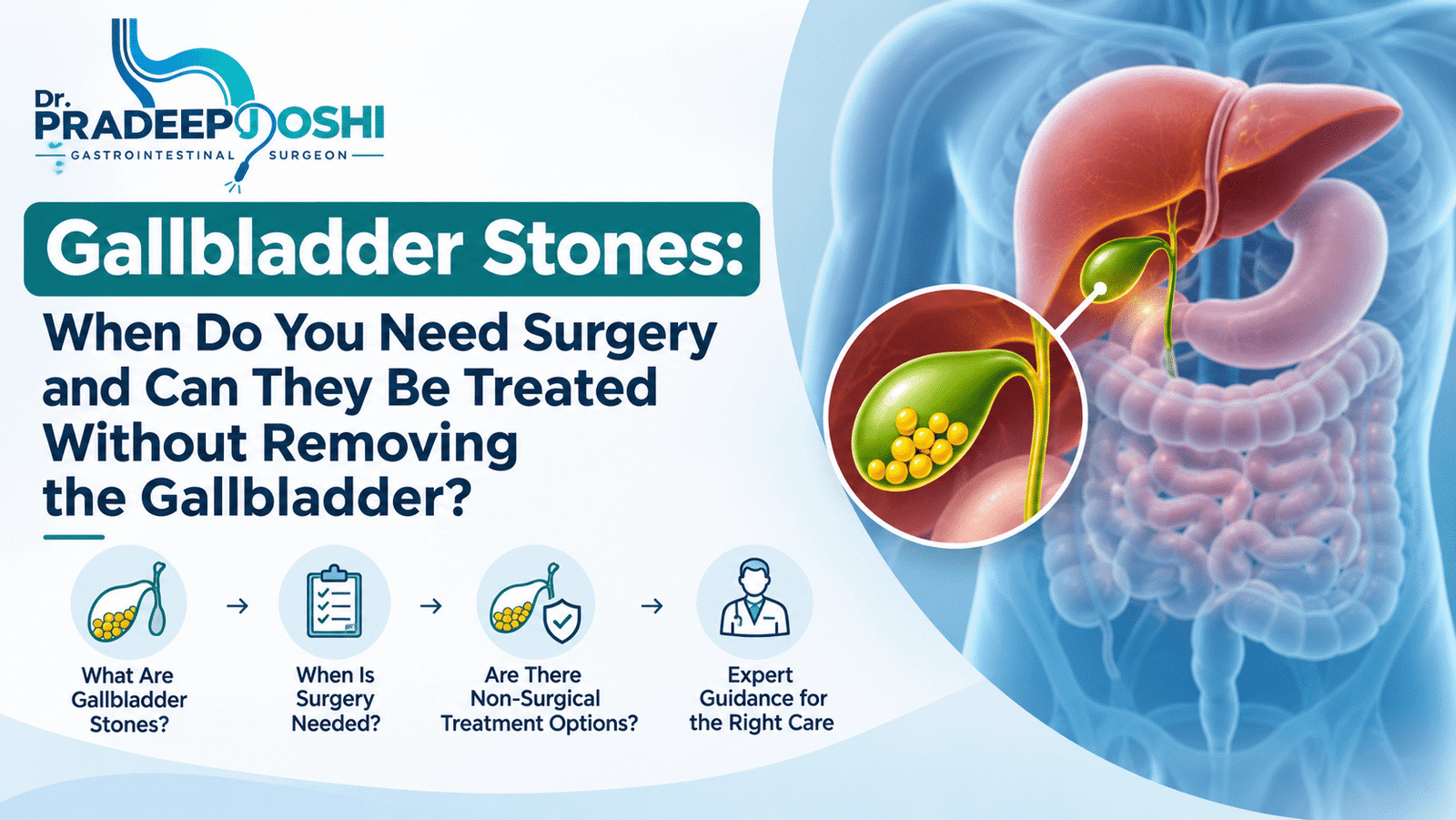
Gallstones are hard deposits that develop inside the gallbladder and can range from very small particles to larger stones. Some people have gallstones without experiencing any symptoms, while others may develop sudden abdominal pain, nausea, vomiting, indigestion, or complications affecting the gallbladder and bile ducts.
The need for treatment depends on the size and number of stones, symptoms, medical history, and whether complications have developed. Gallbladder Stone Treatment in Lucknow may involve observation in people who have no symptoms, while symptomatic or complicated gallstones may require surgery.
One of the most common questions patients ask is whether gallstones can be treated without removing the gallbladder. The answer depends on the individual situation. Although some medicines or non-surgical approaches may be appropriate in selected circumstances, surgery is commonly recommended for symptomatic gallstones because stones can recur and cause further problems.
p-admin, a laparoscopic and gastrointestinal surgeon in Lucknow, evaluates patients with gallbladder problems and can discuss the appropriate treatment based on their symptoms and medical condition.
What Are Gallstones and How Do They Develop?
Gallstones are solid particles that form when substances present in bile become imbalanced or when the gallbladder does not empty properly. The two major types are cholesterol stones and pigment stones.
The gallbladder stores bile produced by the liver. When a person eats, the gallbladder contracts and releases bile into the digestive system. If bile contains excess cholesterol, excess bilirubin, or does not empty normally, stones may develop.
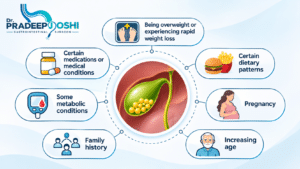
Some factors associated with gallstone formation include:
- Being overweight or experiencing rapid weight loss
- Certain dietary patterns
- Pregnancy
- Increasing age
- Family history
- Some metabolic conditions
- Certain medications or medical conditions
Not every person with gallstones requires immediate treatment. The presence of symptoms and complications is an important factor when deciding on Gallbladder Stone Treatment in Lucknow.
What Symptoms Can Gallstones Cause?
Many gallstones are described as “silent” because they do not cause symptoms. However, when a stone blocks the flow of bile, it can cause an episode of pain commonly called biliary colic.
Typical symptoms may include:
- Pain in the upper right or upper middle abdomen
- Pain that may spread toward the back or right shoulder
- Pain after eating, particularly after a fatty meal
- Nausea or vomiting
- Indigestion or abdominal discomfort
- Bloating
Severe or persistent pain, fever, yellowing of the skin or eyes, dark urine, or repeated vomiting may indicate a complication and should be medically evaluated promptly.
Dr. Pradeep Joshi can assess the symptoms and recommend appropriate investigations to determine whether the gallbladder is responsible for the patient’s symptoms.
When Is Gallbladder Stone Treatment in Lucknow Needed?
Not every gallstone requires treatment. People who have gallstones but no symptoms may sometimes be monitored rather than undergoing immediate surgery.
Treatment is more likely to be recommended when gallstones cause repeated or significant symptoms. Gallbladder Stone Treatment in Lucknow may be considered in patients experiencing recurrent biliary pain or complications such as:
- Acute or recurrent inflammation of the gallbladder
- Gallstones blocking the common bile duct
- Jaundice associated with bile duct obstruction
- Gallstone-related pancreatitis
- Recurrent gallbladder attacks
- Certain gallbladder-related complications
The treatment decision should be individualized. A surgeon may consider the patient’s symptoms, ultrasound findings, blood tests, medical history, and overall health before recommending a procedure.
Can Gallstones Be Treated Without Removing the Gallbladder?
This is one of the most common questions regarding Gallstones Treatment in Lucknow.
In selected cases, medication may be considered for particular types of cholesterol gallstones, especially when surgery is unsuitable. However, medication is not appropriate for every patient, and treatment may take a long time. Stones can also recur after treatment is stopped.
Dietary changes can help some people reduce the likelihood of triggering gallbladder pain, but diet generally does not dissolve established gallstones. Avoiding foods that trigger symptoms may improve comfort, but it should not be considered a replacement for medical treatment when surgery is indicated.
Procedures designed to remove stones from the bile duct may also be used in selected situations. However, removing a stone from the bile duct does not necessarily eliminate stones remaining inside the gallbladder.
Therefore, whether gallstones can be managed without gallbladder removal depends on the specific case. Dr. Pradeep Joshi can evaluate whether observation, medication, an endoscopic procedure, or surgery is appropriate.
When Is Gallbladder Surgery in Lucknow Recommended?
Gallbladder Surgery in Lucknow is commonly considered when gallstones cause symptoms or complications. The purpose is not simply to remove an individual stone but to address the gallbladder that is producing or storing the stones.
Surgery may be recommended when a patient has:
- Recurrent gallstone-related pain
- Acute or chronic gallbladder inflammation
- Complications caused by gallstones
- Gallstones associated with pancreatitis
- Stones causing significant obstruction
- Repeated attacks affecting daily life
In symptomatic patients, simply removing an individual stone may not prevent new stones from forming. Removing the gallbladder eliminates the organ in which the stones are developing.
However, surgery is not automatically required for every person who has gallstones. Dr. Pradeep Joshi can determine whether surgery is appropriate after reviewing the patient’s condition.
What Is Laparoscopic Gallbladder Surgery?
Laparoscopic Gallbladder Surgery in Lucknow is a minimally invasive procedure commonly used to remove the gallbladder. It is also known as laparoscopic cholecystectomy.
Instead of making one large abdominal incision, the surgeon generally uses several small incisions. A camera and specialized surgical instruments are inserted through these openings to visualize and remove the gallbladder.
The procedure is performed under anaesthesia, and the exact technique may vary depending on the patient’s anatomy, previous surgeries, inflammation, and other factors.
One of the advantages of Laparoscopic Gallbladder Surgery in Lucknow is that it generally involves smaller incisions than traditional open surgery. Many patients can return to normal activities sooner, although recovery varies from person to person.
Dr. Pradeep Joshi can explain whether a laparoscopic approach is suitable based on the patient’s medical history and surgical findings.
Why Is the Gallbladder Removed Instead of Only the Stones?
Patients often wonder why Gallbladder Surgery in Lucknow involves removing the entire gallbladder rather than taking out only the stones.
The gallbladder is the organ where bile is stored and where gallstones commonly form. Simply removing existing stones may leave the underlying problem in place, allowing new stones to develop.
When surgery is medically indicated for symptomatic gallstones, removing the gallbladder is therefore commonly preferred over simply removing individual stones.
The liver continues to produce bile after gallbladder removal. Bile flows directly from the liver into the intestine, allowing digestion to continue normally.
Dr. Pradeep Joshi can explain the expected changes after gallbladder removal and answer questions about diet, digestion, and recovery.
What Happens During Laparoscopic Gallbladder Surgery in Lucknow?
Before Laparoscopic Gallbladder Surgery in Lucknow, the surgeon reviews the patient’s medical history and investigations. Ultrasound is commonly used to identify gallstones, while blood tests and additional imaging may be recommended when complications or bile duct stones are suspected.
During surgery:
- Anaesthesia is administered.
- Small abdominal incisions are made.
- A camera is introduced to view the surgical area.
- Specialized instruments are used to separate and remove the gallbladder.
- The gallbladder is taken out through one of the small incisions.
- The incisions are closed and the patient is monitored during recovery.
Sometimes surgery may need to be converted to an open procedure if the surgeon encounters severe inflammation, unexpected anatomy, significant bleeding, or another safety concern. This decision is made to protect the patient.
What Is Recovery Like After Gallbladder Surgery?
Recovery following Gallbladder Surgery in Lucknow varies according to the patient’s health, the type of surgery, and whether complications were present.
After laparoscopic surgery, patients may experience:
- Mild abdominal discomfort
- Temporary bloating
- Shoulder-tip discomfort caused by the gas used during laparoscopy
- Tiredness
- Temporary digestive changes
Patients are usually advised to gradually return to normal activities according to their surgeon’s instructions. Heavy lifting and strenuous exercise may need to be avoided for a period after surgery.
Diet can usually be progressed gradually. Some people may initially find that very fatty or heavy meals cause digestive discomfort. Dr. Pradeep Joshi can provide individual postoperative guidance based on the patient’s recovery.
Is Life Normal After Gallbladder Removal?
For most people, the body can function normally without a gallbladder. The liver continues producing bile, but instead of being stored in the gallbladder, bile flows directly into the intestine.
Some patients experience temporary changes in bowel habits or digestion after surgery. These symptoms often improve as the body adapts.
Following the dietary and activity recommendations provided after Laparoscopic Gallbladder Surgery in Lucknow can support a smoother recovery.
Patients should also attend recommended follow-up appointments so their recovery can be monitored.
What Happens If Gallstones Are Left Untreated?
Silent gallstones may not always require treatment. However, symptomatic gallstones can continue to cause attacks and may sometimes lead to complications.
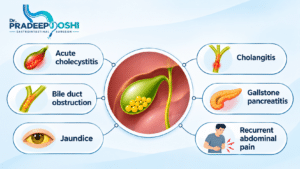
Possible complications include:
-
- Acute cholecystitis
- Bile duct obstruction
- Jaundice
- Cholangitis
- Gallstone pancreatitis
- Recurrent abdominal pain
This does not mean that every gallstone will cause complications. The risk varies between individuals.
If symptoms are recurring, seeking medical advice is important rather than repeatedly managing pain without identifying the cause. Gallbladder Stone Treatment in Lucknow should be based on an appropriate medical evaluation.
How Can You Prepare for Gallbladder Stone Treatment in Lucknow?
If you are being evaluated for Gallbladder Stone Treatment in Lucknow, your surgeon may recommend an ultrasound and blood tests. Depending on your symptoms, additional imaging may be needed.
Before a consultation, it can be helpful to note:
- When the abdominal pain started
- How frequently attacks occur
- Whether meals trigger the pain
- Any history of vomiting or fever
- Previous ultrasound reports
- Current medicines
- Existing medical conditions
- Previous abdominal surgeries
Providing accurate information helps the surgeon understand your symptoms and determine the next step.
Dr. Pradeep Joshi can review the available reports and discuss whether observation, further testing, or treatment is appropriate.
How Is the Right Gallbladder Treatment Decided?
There is no single treatment plan that applies to every patient. Gallstones Treatment in Lucknow depends on whether the stones are causing symptoms, whether complications are present, and the patient’s overall health.
A surgeon may consider:
- Number and location of gallstones
- Gallbladder inflammation
- Common bile duct involvement
- Previous episodes of pain
- Blood test results
- Ultrasound or other imaging findings
- General medical condition
- Previous abdominal procedures
For patients with symptomatic gallstones who are suitable for surgery, Laparoscopic Gallbladder Surgery in Lucknow is commonly considered.
A consultation with Dr. Pradeep Joshi can help patients understand the available treatment options and what may be appropriate for their specific condition.
Frequently Asked Questions About Gallbladder Stone Treatment in Lucknow
1. Can gallstones be treated without surgery?
Some selected patients may be managed without surgery, particularly when gallstones are not causing symptoms or when certain medical treatments are appropriate. However, medication does not work for every type of stone and recurrence can occur. Gallbladder Stone Treatment in Lucknow should be based on individual medical assessment.
2. When is Gallbladder Surgery in Lucknow necessary?
Gallbladder Surgery in Lucknow may be recommended when gallstones cause repeated pain, inflammation, bile duct obstruction, pancreatitis, or other complications. The decision depends on the patient’s symptoms and investigation results.
3. Is Laparoscopic Gallbladder Surgery in Lucknow safe?
Laparoscopic Gallbladder Surgery in Lucknow is a commonly performed surgical approach, but like any operation, it has potential risks. Bleeding, infection, bile leakage, injury to nearby structures, and anaesthesia-related complications are among the possible risks. Your surgeon can explain your individual risk before surgery.
4. Can gallstones come back after gallbladder removal?
When the gallbladder has been completely removed, gallstones cannot form inside the gallbladder because it is no longer present. However, stones can occasionally develop in the bile ducts. Follow-up depends on the patient’s symptoms and clinical situation.
5. How long does recovery take after Gallbladder Surgery in Lucknow?
Recovery varies between individuals. After uncomplicated laparoscopic surgery, many people return to routine activities relatively quickly, but the exact timeline depends on the procedure, general health, occupation, and postoperative progress. Dr. Pradeep Joshi can provide individualized recovery instructions.
6. Can diet dissolve gallstones?
Diet generally does not dissolve established gallstones. However, maintaining a balanced diet and avoiding foods that trigger symptoms may help some people manage discomfort. If symptoms persist, professional evaluation for Gallstones Treatment in Lucknow is important.
7. Is Laparoscopic Gallbladder Surgery in Lucknow better than open surgery?
For many suitable patients, laparoscopic surgery offers smaller incisions and generally faster recovery compared with traditional open surgery. However, open surgery may be necessary in certain complex cases. Dr. Pradeep Joshi can determine the safest surgical approach based on the individual situation.
8. Who should I consult for Gallbladder Stone Treatment in Lucknow?
A laparoscopic and gastrointestinal surgeon can evaluate symptomatic gallstones and discuss appropriate treatment. Dr. Pradeep Joshi provides surgical care for gallbladder conditions in Lucknow and can assess whether observation, further investigation, or surgery may be appropriate.
Conclusion – Laparoscopic Gallbladder Surgery in Lucknow
Gallstones can range from an incidental finding that requires observation to a condition that causes repeated pain or serious complications. Understanding when treatment is necessary is an important first step.
While some patients may be managed without surgery, symptomatic or complicated gallstones often require surgical treatment. Gallbladder Stone Treatment in Lucknow should therefore be planned after considering the patient’s symptoms, imaging results, medical history, and overall health.
For suitable patients, Laparoscopic Gallbladder Surgery in Lucknow offers a minimally invasive approach to removing the gallbladder and addressing symptomatic gallstone disease.
If you are experiencing recurrent abdominal pain, nausea after meals, or other symptoms associated with gallstones, consult a qualified surgeon for an appropriate evaluation. Dr. Pradeep Joshi can assess your condition, explain the available treatment options, and help you understand whether surgery or another approach may be suitable for you.