
Bile Duct Surgery in Lucknow
- Home
- Bile Duct Surgery in Lucknow
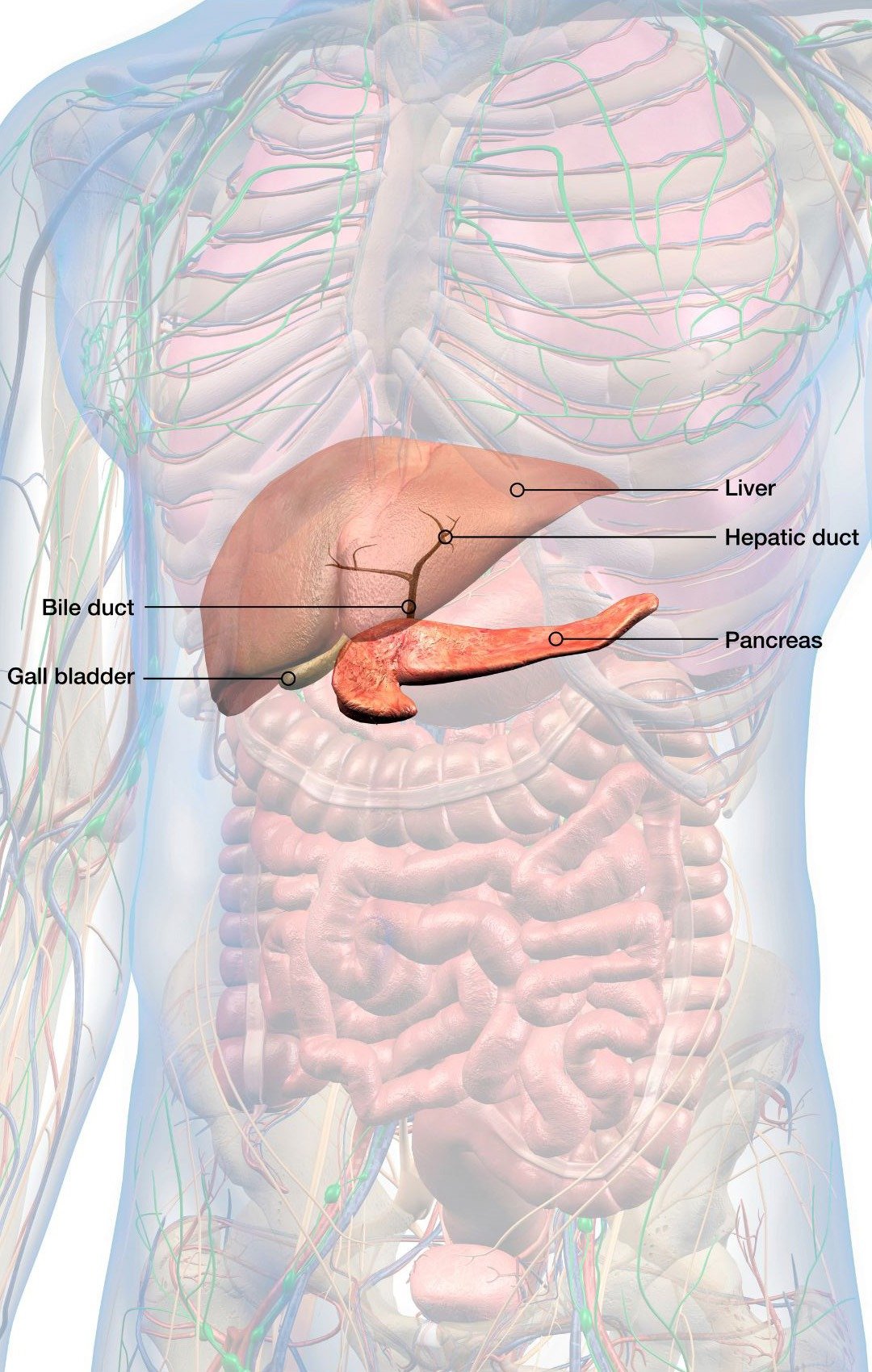
The bile ducts are a network of small tubes that carry bile from the liver and gallbladder to the small intestine. Bile helps the body digest fats. Conditions affecting these ducts can include bile duct stones, strictures, injuries, cystic or other structural abnormalities, and bile duct cancers such as cholangiocarcinoma.
Bile Duct Surgery in Lucknow includes surgical procedures used to treat selected conditions affecting the bile ducts. The type of surgery depends on the location and cause of the problem, the extent of disease, involvement of the liver or pancreas, and the patient’s overall health.
Bile duct surgery can range from removal and reconstruction of a diseased section of the duct to more extensive procedures involving part of the liver or pancreas. In selected cases of bile duct obstruction, procedures such as biliary drainage or stent placement may be used instead of, or before, definitive surgery.
Dr. Pradeep Joshi is a trained gastrointestinal, onco, and bariatric surgeon with specialised qualifications in Surgical Gastroenterology. He completed his MBBS from GSVM Medical College, Kanpur, MS in General Surgery from SMS Medical College, Jaipur, and MCh in Surgical Gastroenterology from JIPMER, Pondicherry.
His clinical interests include laparoscopic GI surgery, GI oncology, liver and pancreatic surgery, hepatobiliary surgery, and bariatric surgery. Each patient is assessed individually to determine the appropriate surgical approach based on the diagnosis, imaging findings, pathology, bile duct anatomy, liver function, general health, and treatment requirements.
What Is Bile Duct Surgery in Lucknow?
Bile Duct Surgery in Lucknow refers to surgical treatment for selected diseases and abnormalities affecting the bile ducts. Depending on the condition, surgery may involve removing a diseased section of the bile duct, removing nearby tissue, reconstructing the bile drainage pathway, or combining bile duct surgery with liver or pancreatic surgery.
For some small, localised bile duct tumours, part of the bile duct may be removed and the remaining ducts reconstructed. More extensive cancers may require removal of nearby liver tissue, lymph nodes, or part of the pancreas depending on the location of the tumour.
The surgical approach is determined after reviewing imaging, pathology where required, the exact location of the disease, involvement of nearby blood vessels and organs, and the patient’s general health.
What Conditions Can Require Bile Duct Surgery?
Bile duct surgery may be considered for several conditions, including:
- Bile duct cancer or cholangiocarcinoma
- Selected bile duct strictures
- Bile duct injuries
- Certain congenital or structural abnormalities
- Complicated bile duct obstruction
- Selected benign bile duct lesions
- Conditions involving both the bile ducts and liver
- Conditions involving the distal bile duct and pancreas
Not every bile duct condition requires an operation. Some obstructions can be managed with endoscopic procedures, stent placement, or other forms of biliary drainage depending on the underlying cause.
Can I live normally without my gallbladder?
The procedure depends mainly on the location and extent of the disease.
Bile duct resection involves removing the affected section of the bile duct. The remaining bile ducts may then be connected to the small intestine to restore bile flow.
Liver resection with bile duct surgery may be required for selected cancers located near the junction of the major bile ducts or within the liver. The amount of liver removed depends on the extent of the tumour and the structures involved.
Whipple procedure may be required for selected cancers involving the lower end of the bile duct. This operation removes the pancreatic head and other nearby structures and reconstructs the digestive and bile drainage pathways.
Biliary bypass may be considered in selected situations when a blockage cannot be removed surgically. The procedure creates an alternative route for bile to drain into the digestive tract.
How Are Bile Duct Conditions Diagnosed Before Surgery?
Depending on the suspected condition, investigations may include ultrasound, contrast-enhanced CT, MRI, and magnetic resonance cholangiopancreatography (MRCP). ERCP may also be used in selected patients for diagnosis and treatment, including biliary drainage or stone removal.
When Is Bile Duct Surgery Recommended?
Bile Duct Surgery in Lucknow may be recommended when the underlying condition can be treated effectively through surgery and the patient is medically fit for the procedure.
For bile duct cancer, surgery is mainly considered when the tumour can be removed completely with an acceptable surgical risk. The location of the tumour is particularly important because bile duct cancers can grow close to major blood vessels, the liver, gallbladder, and pancreas.
Factors that may influence the decision include:
- Type of bile duct condition
- Location of the obstruction or tumour
- Size and extent of the lesion
- Involvement of the liver
- Involvement of the pancreas
- Relationship with major blood vessels
- Lymph-node involvement
- Presence or absence of distant spread
- Liver function
- Previous abdominal or biliary surgery
- General health and ability to tolerate major surgery
Some patients with bile duct cancer may receive chemotherapy or other cancer treatment before or after surgery. If the disease cannot be removed safely, treatment may instead focus on controlling the disease and relieving symptoms through systemic therapy, radiation, stenting, or biliary drainage.

How Is Bile Duct Surgery in Lucknow Performed?
The surgical procedure depends on the location and cause of the bile duct problem.
Before surgery, the surgeon reviews imaging scans, laboratory investigations, pathology reports when available, previous treatment, medications, liver function, and other relevant medical information.
During surgery, the affected bile duct and surrounding tissues are carefully assessed. If a diseased portion can be removed, the surgeon removes the affected tissue along with nearby lymph nodes or other structures when clinically required.
The remaining bile drainage pathway may then be reconstructed by connecting the bile duct or remaining hepatic ducts to the small intestine. This allows bile to continue flowing from the liver into the digestive tract.
For cancers located near the liver hilum, surgery may involve removal of part of the bile duct together with a portion of the liver. For selected distal bile duct cancers, a Whipple procedure may be required.
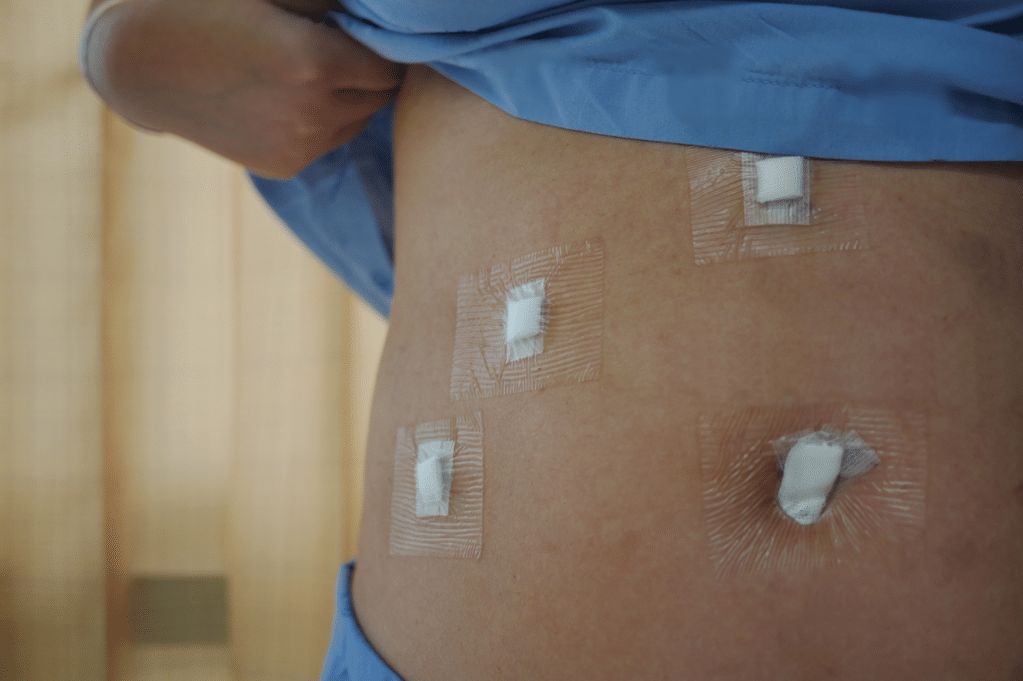
Open surgery may be required for complex bile duct conditions. Minimally invasive techniques may be appropriate for selected procedures, depending on the anatomy, disease extent, and surgical requirements.
What Are the Benefits of Bile Duct Surgery?
When surgery is appropriate, its main purpose is to remove the diseased tissue, restore bile drainage, or achieve appropriate local control of the disease.
Depending on the condition and procedure, potential benefits may include:
- Removal of a bile duct tumour
- Treatment of selected bile duct cancers
- Restoration of bile flow
- Treatment of selected bile duct strictures
- Relief of obstruction-related symptoms
- Removal of affected lymph nodes when indicated
- Obtaining tissue for detailed pathological examination
- Potential long-term cancer control in appropriately selected patients
For resectable bile duct cancer, complete removal of the tumour with clear surgical margins is an important objective of treatment.
The expected benefit depends on the underlying condition, extent of disease, possibility of complete removal, liver function, and whether additional treatment is required.
Why Choose Dr. Pradeep Joshi for Bile Duct Surgery?
Dr. Pradeep Joshi is a gastrointestinal, onco, and bariatric surgeon with specialised training in Surgical Gastroenterology.
He completed his MBBS from GSVM Medical College, Kanpur, MS in General Surgery from SMS Medical College, Jaipur, and MCh in Surgical Gastroenterology from JIPMER, Pondicherry.
His previous professional experience includes Indraprastha Apollo Hospital, New Delhi; Rajiv Gandhi Cancer Institute, New Delhi; Sri Balaji Action Medical Institute; and King George’s Medical University, Lucknow.
His clinical interests include hepatobiliary surgery, liver and pancreatic surgery, gastrointestinal oncology, laparoscopic GI surgery, and bariatric surgery.
For patients looking for a Bile Duct Surgeon in Lucknow, relevant specialist training, experience with the particular biliary condition and procedure, hospital facilities, multidisciplinary support, and a clear treatment plan are important factors to consider.
What Can Happen If a Bile Duct Condition Is Left Untreated?
The effects of an untreated bile duct condition depend on its cause. A persistent obstruction can interfere with the normal flow of bile and may lead to jaundice, itching, abdominal discomfort, infection, or changes in liver function.
Bile duct cancer can grow into nearby tissues and structures or spread to lymph nodes and distant organs if it progresses. The extent of disease determines whether surgical removal remains possible.
Symptoms such as yellowing of the skin or eyes, dark urine, pale stools, itching, abdominal pain, unexplained weight loss, fever, or persistent digestive symptoms can have several causes and don’t necessarily indicate cancer.
Persistent or unexplained symptoms should be medically evaluated so that the underlying cause can be identified and treated appropriately.
What Happens Before Bile Duct Surgery?
Before Bile Duct Surgery in Lucknow, the medical team evaluates the underlying condition, location of the disease, liver function, general health, nutritional status, previous treatments, and ability to undergo surgery.
Depending on the diagnosis, investigations may include:
- Liver function tests
- Complete blood and biochemical investigations
- Ultrasound
- Contrast-enhanced CT scan
- MRI or MRCP
- ERCP in selected cases
- Endoscopic ultrasound when required
- Biopsy or tissue sampling when appropriate
- Assessment of lymph nodes and possible disease spread
- Chest and cardiac evaluation when required
- Anaesthesia assessment
If bile flow is significantly blocked, a stent or other biliary drainage procedure may sometimes be performed before definitive treatment. The decision depends on the severity and cause of the obstruction and the planned treatment.
The surgeon should discuss the planned operation, possible complications, expected recovery, alternatives, and the possibility of requiring liver or pancreatic surgery before informed consent.
What Are the Risks of Bile Duct Surgery?
Bile duct surgery can be a complex operation, particularly when the disease involves the liver, pancreas, or major blood vessels.
Possible complications can include:
- Bleeding
- Infection
- Bile leakage
- Bile duct narrowing or obstruction
- Liver dysfunction
- Pancreatic complications when pancreatic surgery is performed
- Blood clots
- Digestive problems
- Fluid collections
- Complications related to anaesthesia
The risk varies according to the type and extent of surgery, the patient’s general health, and the structures involved. More extensive operations may carry a higher risk than limited procedures.
The individual risks should be discussed with the treating surgical team before the operation.
What Is Recovery Like After Bile Duct Surgery in Lucknow?
Recovery after bile duct surgery depends on the procedure performed, the extent of disease, whether part of the liver or pancreas was removed, the surgical approach, general health, and whether complications occur.
After surgery, the medical team monitors pain, wound healing, bile drainage, liver function, bowel function, nutrition, hydration, and other aspects of recovery.
Food and fluids are usually introduced gradually according to the patient’s condition. Movement is increased progressively as medically appropriate.
Patients undergoing major biliary surgery may need a longer hospital recovery than those undergoing smaller procedures. The time required to return to normal activities varies from person to person.
For patients treated for bile duct cancer, follow-up may include pathology review, blood tests, imaging, and additional chemotherapy, radiotherapy, or other treatment when indicated.
When Should You Consult a Bile Duct Surgeon in Lucknow?
A consultation with a Bile Duct Surgeon in Lucknow may be appropriate when imaging or other investigations identify a bile duct tumour, obstruction, stricture, injury, or another condition that may require surgical assessment.
Medical evaluation may also be appropriate for persistent symptoms such as:
- Yellowing of the eyes or skin
- Dark urine
- Pale or clay-coloured stools
- Persistent itching
- Upper abdominal discomfort or pain
- Unexplained weight loss
- Loss of appetite
- Fever or recurrent episodes of infection
- Abnormal liver function tests
- A bile duct abnormality detected on imaging
- A suspected or confirmed bile duct tumour
These symptoms can occur with several biliary and non-biliary conditions, so appropriate investigation is needed before deciding whether surgery is required.
faqs
Frequently Asked Questions About Bile Duct Surgery in Lucknow
Answers to common questions related to surgery, recovery and appointment
Bile Duct Surgery in Lucknow refers to surgical procedures used to treat selected conditions affecting the bile ducts. Depending on the diagnosis, surgery may involve removing part of the bile duct, reconstructing bile drainage, or combining bile duct surgery with liver or pancreatic surgery.
Bile duct surgery may be considered for selected bile duct cancers, strictures, injuries, structural abnormalities, complicated obstructions, and conditions involving nearby liver or pancreatic structures.
Bile duct cancer, also called cholangiocarcinoma, is a cancer that develops in the ducts that carry bile from the liver toward the small intestine. It can occur in different parts of the biliary system and treatment depends on its location and extent.
Selected bile duct cancers can be treated surgically when the tumour can be removed completely and the patient is medically fit for the procedure. Surgery may involve bile duct removal alone or removal of nearby liver or pancreatic tissue depending on tumour location.
Evaluation may include liver function tests, ultrasound, CT, MRI, MRCP, ERCP, endoscopic ultrasound, and other investigations depending on the suspected condition. Cancer staging may require additional imaging to determine whether the disease has spread.
No. The need for a stent or other biliary drainage depends on the cause and severity of the obstruction and the overall treatment plan. In selected patients with significant obstruction, biliary drainage may be performed to restore bile flow.
Yes. Some bile duct cancers, particularly tumours located near the liver hilum, may require removal of part of the liver along with the affected bile ducts to achieve complete tumour removal.
Yes. Selected cancers involving the lower end of the bile duct may require a Whipple procedure, which includes removal of the head of the pancreas and other nearby structures.
Recovery varies according to the type and extent of surgery, whether liver or pancreatic surgery was also performed, the patient's general health, and whether complications occur. Major bile duct operations generally require a longer recovery than limited procedures.
Consider the surgeon's specialist qualifications, experience with the specific biliary condition and procedure, experience with complex hepatobiliary surgery when required, hospital facilities, multidisciplinary support, and a clear discussion of treatment options and risks.