
Anal Fissure Treatment in Lucknow
- Home
- Anal Fissure Treatment in Lucknow
An anal fissure is a small tear in the lining of the anal canal. It can cause sharp pain while passing stool, burning that continues afterwards, and bright red bleeding on the toilet paper or stool. Constipation, hard stools and repeated straining are common causes, although diarrhoea and some underlying bowel conditions can also contribute.
Many fissures improve with measures that soften the stool and reduce strain on the anal area. When symptoms continue or the fissure becomes chronic, medicines, injections or a surgical procedure may be considered. Anal fissure treatment in Lucknow focuses on identifying why the fissure developed and choosing treatment according to its severity and duration.
Dr. Pradeep Joshi is a trained gastrointestinal, onco, and bariatric surgeon with specialised qualifications in Surgical Gastroenterology. He completed his MBBS from GSVM Medical College, Kanpur, MS in General Surgery from SMS Medical College, Jaipur, and MCh in Surgical Gastroenterology from JIPMER, Pondicherry. His clinical interests include laparoscopic GI surgery, GI oncology, liver and pancreatic surgery, hepatobiliary surgery and bariatric surgery.
What Is Anal Fissure Treatment in Lucknow?
Anal fissure treatment refers to the medical and surgical approaches used to heal a tear in the anal lining, relieve pain and prevent the problem from returning. The first step is usually to address constipation or other bowel problems that keep putting pressure on the fissure.
An acute fissure is often managed without surgery. Increasing fibre and fluid intake, keeping stools soft, avoiding straining and using warm sitz baths can support healing. Doctors may also prescribe medicines that relax the anal sphincter or reduce pain.
A fissure that continues for several weeks can become chronic. Chronic fissures can be associated with increased tightness of the internal anal sphincter, which can make healing more difficult. In these cases, treatment may need to go beyond dietary and lifestyle measures.
Common Causes of Anal Fissure
Anal fissures can develop when the anal lining is stretched or injured. Common causes include:
- Passing hard or large stools
- Constipation and repeated straining
- Persistent diarrhoea
- Childbirth
- Increased tension in the anal sphincter
Less common causes include inflammatory bowel disease such as Crohn’s disease and certain infections or other disorders affecting the anal region.
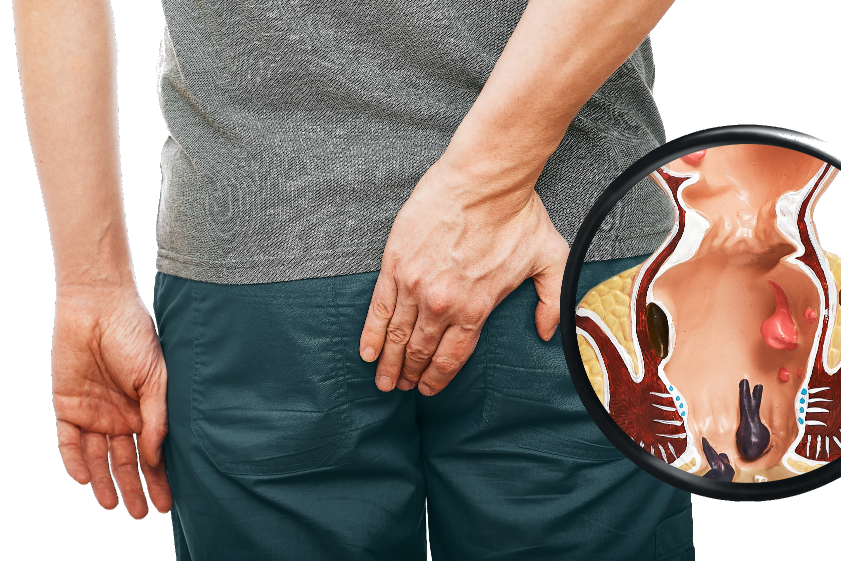
Symptoms That Can Point to an Anal Fissure
The symptoms are often noticeable during or shortly after a bowel movement. Common signs include:
- Sharp or severe pain while passing stool
- Burning or pain that continues after bowel movements
- Bright red blood on toilet paper or the surface of the stool
- A visible crack near the anal opening
- A small skin tag or lump near a long-standing fissure
Pain and bleeding can also occur with haemorrhoids and other anorectal conditions, so persistent symptoms should not automatically be assumed to be an anal fissure.
What Treatment Options Are Available for Anal Fissure?
Treatment is chosen according to the nature of the fissure and the symptoms involved.
Dietary and Lifestyle Measures
Keeping stools soft is one of the basic goals of treatment. A fibre-rich diet, adequate fluid intake and regular physical activity can help reduce constipation. Avoiding excessive straining during bowel movements also reduces pressure on the healing area.
Warm sitz baths can provide relief and help relax the anal sphincter. These measures are often particularly useful when a fissure is recent.
Medicines for Anal Fissure
When lifestyle measures aren’t enough, topical medicines may be prescribed. Depending on the situation, treatment can involve medicines that relax the anal sphincter and improve conditions for healing. Topical anaesthetic medicines may also be used to control discomfort.
Calcium channel blocker creams and topical nitrates are among the medical treatments used for chronic anal fissures. ASCRS guidelines note that calcium channel blockers have similar effectiveness to topical nitrates with fewer side effects in many cases.
Botox Injection
Botulinum toxin can be injected into the anal sphincter to temporarily relax the muscle. This can reduce spasm and give the fissure an opportunity to heal.
Botox is one of the treatment options for chronic fissures, particularly when topical treatment hasn’t provided adequate relief or when surgery needs to be avoided or reconsidered.
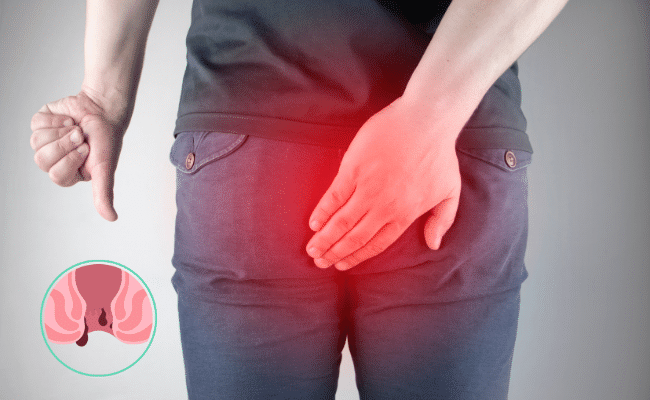

How Is Anal Fissure Surgery in Lucknow Performed?
When surgery is required, the exact approach is discussed after assessing the fissure and the patient’s overall anorectal health.
For lateral internal sphincterotomy, the surgeon makes a small incision and divides a controlled portion of the internal sphincter muscle. The aim is to reduce the muscle spasm that can keep the fissure painful and prevent it from healing.
The procedure is commonly performed as an outpatient operation. The surgical plan takes into account factors such as the duration of the fissure, previous treatments, bowel-control symptoms and any existing sphincter injury.
What Are the Benefits of Treating an Anal Fissure?
Appropriate treatment can help:
- Reduce pain during and after bowel movements
- Control bleeding caused by the fissure
- Allow the tear to heal
- Make bowel movements more comfortable
- Reduce the cycle of pain and sphincter spasm
- Lower the chance of ongoing symptoms from a chronic fissure
The right treatment isn’t always surgery. In many cases, managing constipation and improving stool consistency is enough to allow healing.
Why Choose Dr. Pradeep Joshi for Anal Fissure Treatment?
Dr. Pradeep Joshi is a gastrointestinal, onco, and bariatric surgeon with specialised training in Surgical Gastroenterology. His background includes an MCh in Surgical Gastroenterology from JIPMER, Pondicherry, along with experience at institutions including Indraprastha Apollo Hospital, Rajiv Gandhi Cancer Institute, Sri Balaji Action Medical Institute and King George’s Medical University, Lucknow.
For patients with persistent anal pain or bleeding, a proper assessment is useful because fissures can sometimes be confused with haemorrhoids or other anorectal problems. Treatment can then be planned according to the actual cause rather than treating the symptoms alone.
What Can Happen If an Anal Fissure Is Left Untreated?
Some acute fissures heal on their own, but a fissure that continues without healing can become chronic. Ongoing pain can lead to tightening of the anal sphincter, which can make bowel movements more difficult and contribute to a cycle of pain, spasm and delayed healing.
A fissure can also recur, particularly when constipation or repeated straining continues. Persistent bleeding should always be assessed to confirm the cause rather than assuming that every episode is from a fissure.
What Happens Before Anal Fissure Treatment?
The consultation begins with a discussion about pain, bleeding, bowel movements and how long the symptoms have been present. Previous treatment, constipation, diarrhoea and any relevant medical history are also reviewed.
A physical examination helps identify the fissure and determine whether there are signs of another anorectal condition. Additional investigations are reserved for situations where the diagnosis is uncertain or another underlying condition needs to be investigated.
If surgery is being considered, the doctor will explain the procedure, expected recovery, possible complications and available alternatives before proceeding.
What Is Recovery Like After Anal Fissure Treatment?
Recovery varies according to the treatment used. After non-surgical treatment, the focus remains on keeping stools soft, drinking enough fluids and avoiding straining.
Following a procedure, patients receive instructions about wound care, bowel movements, diet, activity and pain management. Bowel habits are particularly important because hard stools and constipation can interfere with healing.
Most patients can gradually return to normal activities as recovery progresses. The exact timeframe depends on the procedure and the individual’s condition
When Should You Consult a Gastrointestinal Surgeon in Lucknow?
You should consider a medical consultation if you have:
- Repeated pain while passing stool
- Bright red bleeding during bowel movements
- Pain that continues for hours after passing stool
- A fissure that keeps coming back
- Persistent symptoms despite improving constipation
- A lump or skin tag associated with ongoing anal pain
- Symptoms that are becoming more severe or affecting daily activities
Early assessment can also help distinguish an anal fissure from haemorrhoids, fistula and other causes of anal pain or rectal bleeding.
Why Patient-Centred Anal Fissure Treatment Matters?
Anal fissure treatment isn’t simply about closing a tear. The reason behind the fissure, bowel habits, pain, sphincter tightness and previous treatment all need to be considered.
For a recent fissure, conservative treatment may be all that is needed. A chronic fissure that continues despite medical treatment requires a different discussion, including the potential role of Botox or surgery. The goal is to relieve symptoms while choosing an approach that fits the patient’s condition and avoids unnecessary intervention.
faqs
Frequently Asked Questions About Anal Fissure Treatment
Answers to common questions related to surgery, recovery and appointment
Constipation and passing hard or large stools are common causes. Repeated straining can stretch and tear the anal lining. Persistent diarrhoea, childbirth and some bowel conditions can also contribute.
Sharp pain during bowel movements, burning or pain afterwards, and bright red blood on toilet paper or the stool are common symptoms. A doctor can usually diagnose a fissure through a clinical examination.
Yes. Many recent fissures improve with measures such as increasing fibre and fluids, keeping stools soft, avoiding straining and taking warm sitz baths. Medicines can be added when necessary.
Surgery is generally considered when a chronic fissure continues despite non-surgical treatment or when symptoms are particularly troublesome. Lateral internal sphincterotomy is one surgical option.
It is a procedure in which a small portion of the internal anal sphincter is divided to reduce muscle tension and spasm. This creates better conditions for a chronic fissure to heal.
Botulinum toxin can be injected into the anal sphincter to relax the muscle. It is one of the treatment options for chronic anal fissures.
Yes. Hard stools and straining can place pressure on the healing area and contribute to another tear. Keeping bowel movements soft is an important part of both treatment and prevention.
No. Bright red bleeding can occur with an anal fissure, but other anorectal and bowel conditions can also cause rectal bleeding. Persistent or unexplained bleeding should be medically evaluated.
Yes. A fissure that doesn't heal can become chronic and may continue to cause pain and bleeding. Chronic fissures can require prescription treatment, Botox or surgery when simpler measures aren't successful.
A gastrointestinal or colorectal surgeon can evaluate persistent anal pain, bleeding and fissures and advise whether conservative treatment, medication or a procedure is appropriate.