
Anal Fistula Surgery in Lucknow
- Home
- Anal Fistula Surgery in Lucknow
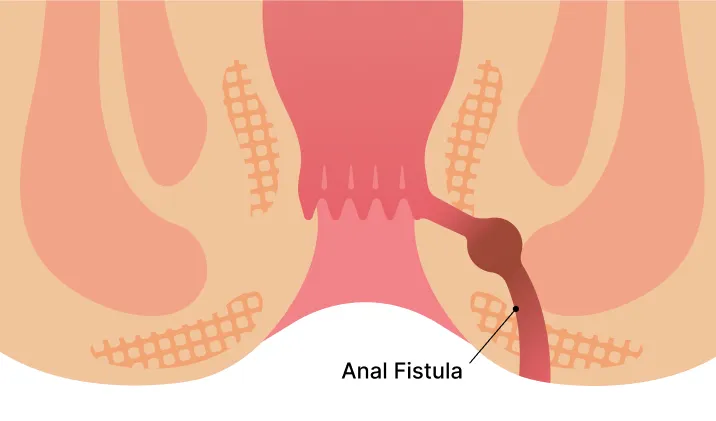
An anal fistula is an abnormal tunnel that forms between the inside of the anal canal and the skin around the anus. It often develops after an anal abscess has drained but the underlying tract remains. Unlike a simple skin wound, an established fistula usually does not heal on its own and often requires surgical treatment.
People with an anal fistula may notice repeated discharge, irritation, swelling or pain around the anus. Some also experience recurrent abscesses that improve temporarily after drainage and then return. Anal fistula surgery in Lucknow aims to treat the fistula while preserving the anal sphincter muscles as much as possible.
Dr. Pradeep Joshi is a trained gastrointestinal, onco, and bariatric surgeon with specialised qualifications in Surgical Gastroenterology. He completed his MBBS from GSVM Medical College, Kanpur, MS in General Surgery from SMS Medical College, Jaipur, and MCh in Surgical Gastroenterology from JIPMER, Pondicherry. His clinical interests include laparoscopic GI surgery, GI oncology, liver and pancreatic surgery, hepatobiliary surgery and bariatric surgery.
What Is Anal Fistula Surgery in Lucknow?
Anal fistula surgery is performed to remove or close an abnormal tract connecting the anal canal with the surrounding skin. The procedure isn’t the same for every patient because fistulas can be short and superficial or extend through a significant portion of the anal sphincter.
The surgeon first needs to understand the course of the fistula and its relationship with the sphincter muscles. This determines whether a straightforward fistulotomy is suitable or whether a sphincter-preserving technique would be safer.
What Causes an Anal Fistula?
Most anal fistulas begin with an infection in one of the anal glands. This can result in an abscess, which is a collection of pus near the anus. When the abscess drains, either naturally or after treatment, a tunnel can sometimes remain between the infected area and the anal canal.
Other conditions can also contribute to fistula formation, including Crohn’s disease, diverticulitis, hidradenitis suppurativa and previous surgery around the anus.
What Are the Common Symptoms of an Anal Fistula?
The symptoms can vary depending on the location and complexity of the tract. Common signs include:
- Persistent or recurring discharge from an opening near the anus
- Pus or blood from the opening
- Pain or throbbing discomfort, especially when sitting
- Redness or irritation around the anus
- Repeated swelling in the same area
- Recurrent anal abscesses
- A small opening or lump on the skin near the anus
Fever, increasing swelling and severe pain can indicate an abscess or active infection and should be assessed promptly.
How Is an Anal Fistula Diagnosed?
Diagnosis starts with a discussion about previous abscesses, discharge, pain, bowel symptoms and any earlier procedures in the area. The surgeon examines the skin around the anus and may perform a rectal examination to identify the external opening and assess the suspected tract.
When Is Anal Fistula Surgery Recommended?
An established anal fistula generally requires treatment because it rarely closes permanently without addressing the underlying tract. Surgery is commonly recommended when there is persistent discharge, repeated infection, recurrent abscess formation or a confirmed fistula that has not healed.
What Are the Types of Anal Fistula Surgery?
There is no single operation that suits every fistula. The main procedures include:
Fistulotomy for Simple Anal Fistulas
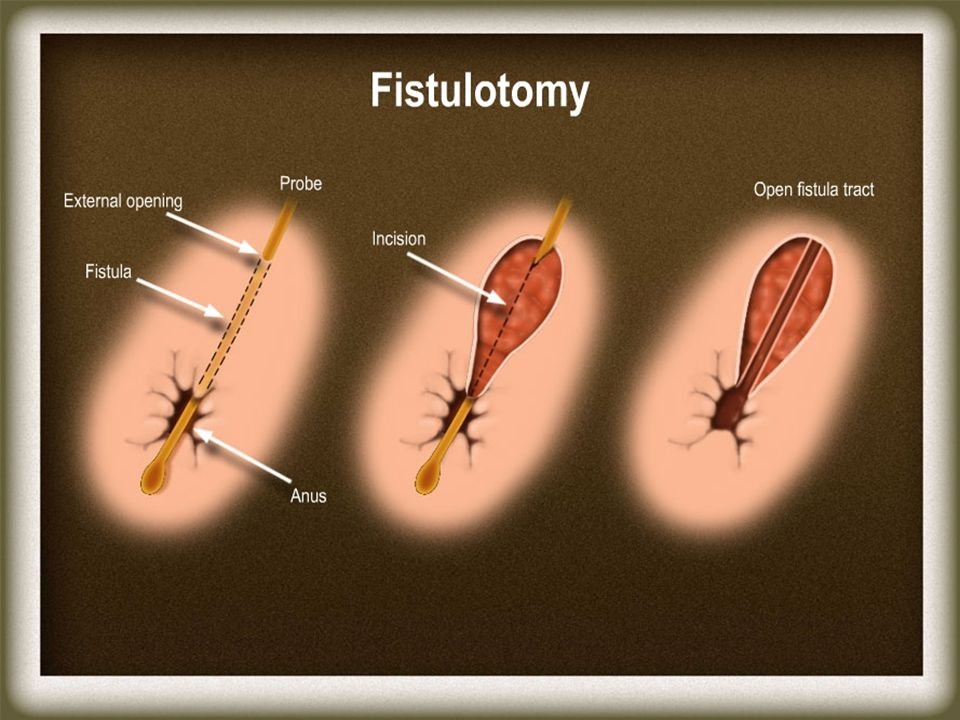
Fistulotomy is one of the most commonly used procedures for a simple, low fistula. The surgeon opens the fistula tract along its length, allowing it to heal from the inside out as a flat scar.
It is generally suitable when the tract does not involve a significant amount of sphincter muscle. Cutting through too much sphincter can affect bowel control, so the anatomy has to be assessed carefully before choosing this approach.
Seton Placement for Complex Fistulas
A seton is a soft surgical thread placed through the fistula tract. It keeps the tract open so that it can continue to drain and helps control ongoing infection. A loose seton does not necessarily cure the fistula; it can form part of a staged treatment plan.
Setons are particularly useful when the fistula passes through a substantial portion of the sphincter and immediately opening the tract could put continence at risk.
LIFT Procedure
LIFT stands for ligation of the intersphincteric fistula tract. It is designed for fistulas that pass through the sphincter muscles and aims to close the fistula tract without dividing the main sphincter muscle.
Advancement Flap Surgery
An advancement flap can be used for some complex fistulas where cutting the sphincter would carry an unacceptable risk. The fistula is treated and the internal opening is covered with healthy tissue from inside the rectum.
The choice between these procedures requires assessment of the fistula tract, sphincter involvement, previous operations and the patient’s bowel-control function.

How Is Anal Fistula Surgery in Lucknow Performed?
The procedure begins with identifying the external and internal openings and tracing the fistula. Depending on the case, this may be done during an examination under anaesthesia.
For a simple fistula, a fistulotomy opens the tract so that it can heal gradually. When the fistula involves more sphincter muscle, the surgeon may use a seton or a sphincter-preserving procedure such as LIFT or an advancement flap.
The central consideration throughout the operation is treating the fistula without unnecessarily damaging the muscles responsible for bowel control.
What Are the Benefits of Anal Fistula Surgery?
Successful treatment can help:
- Stop persistent discharge from the fistula opening
- Reduce recurring pain and irritation
- Prevent repeated abscess formation
- Treat the underlying fistula tract
- Improve day-to-day comfort
- Reduce the likelihood of continued infection from an untreated tract
The expected outcome varies with the type of fistula and procedure. A simple fistula is generally easier to treat than one with multiple branches, previous operations or significant sphincter involvement.
Why Choose Dr. Pradeep Joshi for Anal Fistula Surgery?
Dr. Pradeep Joshi is a trained gastrointestinal, onco, and bariatric surgeon with specialised qualifications in Surgical Gastroenterology. He completed his MCh in Surgical Gastroenterology from JIPMER, Pondicherry, after his MS in General Surgery from SMS Medical College, Jaipur.
His professional experience includes Indraprastha Apollo Hospital, New Delhi, Rajiv Gandhi Cancer Institute, New Delhi, Sri Balaji Action Medical Institute and King George’s Medical University, Lucknow.
For patients with persistent anal discharge, recurring abscesses or a confirmed fistula, the first priority is understanding the fistula’s anatomy. This helps determine whether a fistulotomy is suitable or whether a sphincter-preserving approach needs to be considered.
What Can Happen If an Anal Fistula Is Left Untreated?
An anal fistula can continue to drain and cause irritation around the anus. The tract may also become blocked, allowing another abscess to develop. Some people experience repeated cycles of swelling, pain, drainage and temporary relief.
Leaving the condition untreated can also make the fistula more complicated over time. Persistent or recurrent symptoms therefore warrant assessment rather than repeated self-treatment.
What Happens Before Anal Fistula Surgery?
Before surgery, the doctor reviews your symptoms, previous abscesses, earlier procedures and bowel habits. Any history of Crohn’s disease or other conditions affecting the bowel is also relevant.
A physical examination helps identify the fistula opening. If the tract is complex or difficult to define, MRI or another investigation may be advised.
If surgery is planned, the surgeon explains the proposed procedure, possible alternatives, recovery process and risks. Particular attention is given to the relationship between the fistula and the anal sphincter because preserving bowel control is an important part of treatment planning.
What Are the Risks of Anal Fistula Surgery?
Like other surgical procedures, fistula surgery carries potential risks. These can include infection, bleeding, recurrence and delayed wound healing. Bowel-control problems are another concern, particularly when the fistula involves a significant portion of the sphincter or when sphincter muscle needs to be divided.
The risk isn’t the same for every patient. It is influenced by the fistula’s location, complexity, previous surgery and the procedure being performed.
What Is Recovery Like After Anal Fistula Surgery?
Many anal fistula procedures are performed as day-case operations, although some patients may require a longer hospital stay depending on the procedure and their condition.
After surgery, some soreness, wound discharge or minor bleeding can occur while the area heals. Keeping the region clean and following the wound-care instructions provided by the surgical team is important.
Bowel movements should be kept as comfortable as possible. Adequate fluids, fibre and any stool-softening medicines prescribed by the doctor can help reduce straining. The recovery period varies according to whether the patient has undergone fistulotomy, seton placement or a more complex sphincter-preserving procedure.
When Should You Consult a Gastrointestinal Surgeon in Lucknow?
A consultation is advisable if you have:
- Repeated pus or blood discharge near the anus
- A small opening that repeatedly drains
- Painful swelling near the anus
- Recurrent anal abscesses
- Persistent irritation around the anal opening
- A wound from an earlier abscess that has not healed
- Symptoms that return after previous fistula treatment
A recurring abscess in the same area can be a sign of an underlying fistula and should be evaluated rather than repeatedly treated as an isolated infection.
faqs
Frequently Asked Questions About Anal Fistula Surgery
Answers to common questions related to surgery, recovery and appointment
Anal fistula surgery is not always a major operation. The complexity depends mainly on the location and type of fistula and how much of the anal sphincter muscles it involves. A simple fistula may be treated with a fistulotomy, while a complex fistula can require a different or staged procedure. The surgeon chooses the approach with the aim of treating the fistula while protecting bowel control.
Passing stool can be uncomfortable for a few days after anal fistula surgery, particularly while the surgical area is healing. Keeping stools soft can make bowel movements easier. Drinking enough fluids, eating fibre-rich foods and taking any stool-softening medicine prescribed by the surgeon can help prevent constipation and straining.
An established anal fistula usually does not heal permanently on its own, so surgery is needed in most cases. Medicines or antibiotics can help manage an infection or abscess, but they generally do not remove the underlying fistula tract. There are some non-surgical options, such as fibrin glue, but these are not suitable for every patient and may be less effective than fistulotomy for simple fistulas.
Some pain or soreness is expected after fistula surgery, especially during bowel movements or while sitting. Pain relief is generally provided after the procedure, and warm baths can also make the area more comfortable. The amount of discomfort varies according to the type of fistula and the procedure performed.
There is no single food that causes or cures an anal fistula. During recovery, the main dietary goal is to prevent constipation and avoid hard stools. A balanced, fibre-rich diet with adequate fluids can help keep bowel movements softer. If certain foods regularly cause constipation, diarrhoea or digestive discomfort, they may be reduced according to individual tolerance.
Piles and anal fistulas are different conditions and shouldn't be compared simply as more or less serious. Piles are swollen blood vessels around the anus or lower rectum, while a fistula is an abnormal tunnel connecting the anal canal to the skin. An established fistula often requires surgical treatment, particularly when there is persistent discharge or recurrent infection.
Yes, recurrence is possible after anal fistula surgery. The likelihood is influenced by factors such as the complexity and location of the fistula, previous surgery and the procedure used. Complex or branching fistulas can be more difficult to treat than simple fistulas.
Recovery varies according to the type of surgery and the complexity of the fistula. A straightforward fistulotomy generally has a different recovery course from staged treatment involving a seton or a sphincter-preserving procedure. Your surgeon can give a more specific recovery plan after assessing the fistula.
Yes. Many anal fistulas develop after an anal abscess. When an abscess drains but the underlying passage between the anal canal and skin does not close, a persistent fistula can develop. Repeated swelling and drainage from the same area can be a sign of an underlying fistula.
The drainage usually comes through the abnormal tunnel connecting the anal canal with the skin. If the fistula remains open, pus, blood or other fluid can continue to come through the external opening. Repeated drainage, particularly after a previous abscess, should be assessed by a gastrointestinal or colorectal surgeon.