
Intestinal Obstruction Surgery in Lucknow
- Home
- Intestinal Obstruction Surgery in Lucknow
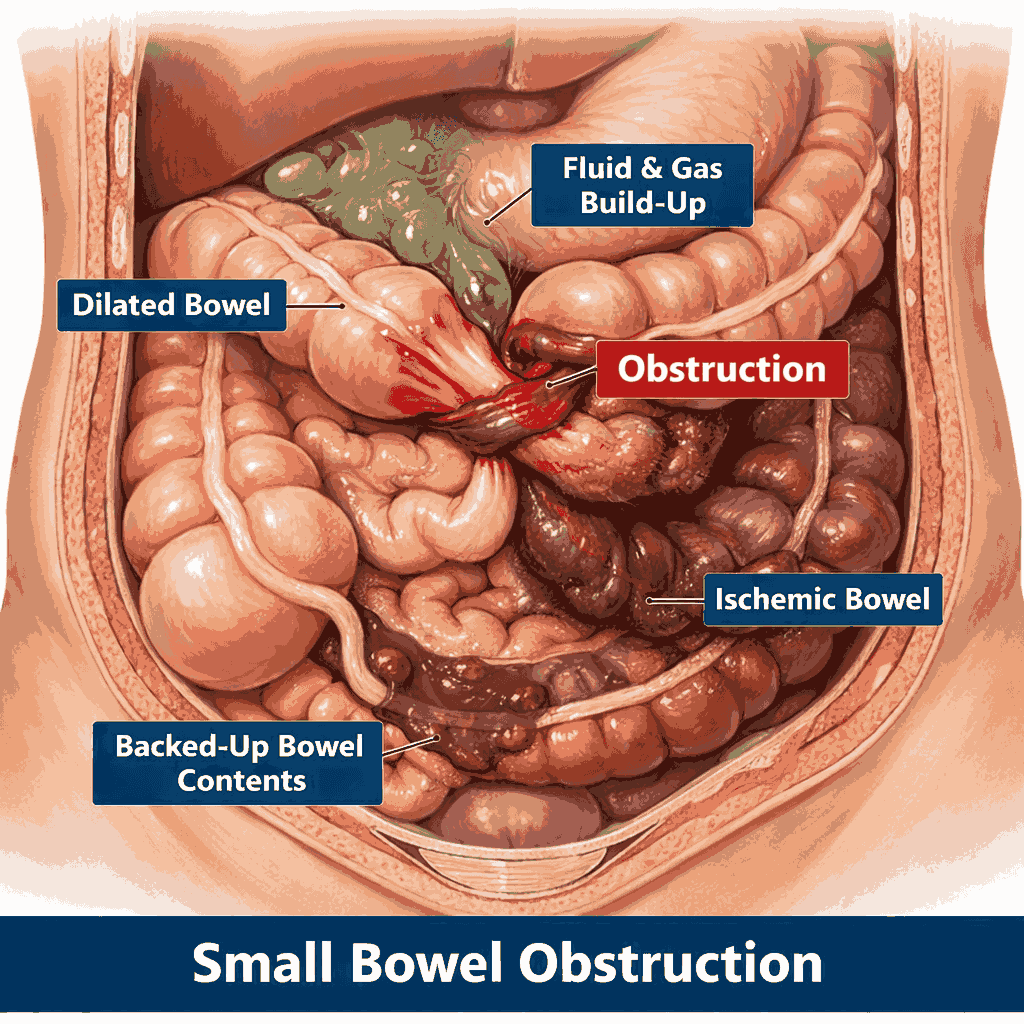
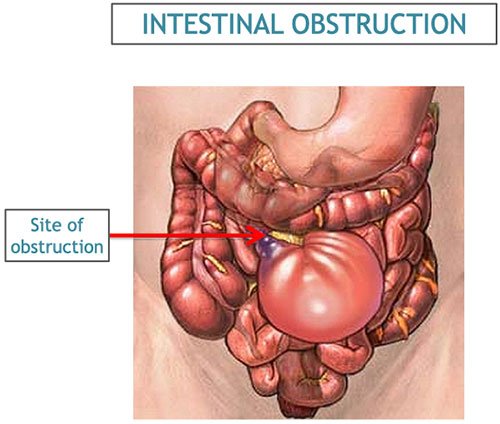
An intestinal obstruction occurs when food, fluids, digestive contents, or gas cannot move normally through the small intestine or large intestine. The blockage can be partial or complete and may develop for several different reasons, including abdominal adhesions, hernias, tumours, intestinal narrowing, twisting of the bowel, or inflammatory conditions such as Crohn’s disease.
Symptoms often appear as abdominal cramps, swelling, vomiting, constipation, loss of appetite, or difficulty passing stool and gas. A complete obstruction can become serious if the blood supply to the affected bowel is reduced, so severe or worsening symptoms need prompt medical attention.
Intestinal obstruction surgery in Lucknow is planned according to the cause and location of the blockage, the condition of the bowel, and whether the obstruction can be relieved without an operation.
Dr. Pradeep Joshi is a trained gastrointestinal, onco, and bariatric surgeon with specialised qualifications in Surgical Gastroenterology. He completed his MBBS from GSVM Medical College, Kanpur, MS in General Surgery from SMS Medical College, Jaipur, and MCh in Surgical Gastroenterology from JIPMER, Pondicherry. His clinical interests include laparoscopic GI surgery, GI oncology, liver and pancreatic surgery, hepatobiliary surgery, and bariatric surgery.
What Is Intestinal Obstruction Surgery in Lucknow?
Intestinal obstruction surgery is performed to remove or relieve a blockage that is preventing the normal movement of intestinal contents. The operation can involve releasing scar tissue, repairing a hernia, removing a narrowed or damaged section of bowel, or addressing another underlying cause.
Not every obstruction requires immediate surgery. Some partial obstructions improve with hospital-based treatment such as intravenous fluids, bowel rest and decompression using a nasogastric tube. When the blockage does not resolve, or when there are signs of compromised bowel, an operation may be necessary.
What Causes an Intestinal Blockage?
Several conditions can interfere with the normal passage through the intestine. Common causes include:
- Abdominal adhesions, particularly after previous surgery
- Hernias that trap a portion of the intestine
- Tumours or colorectal cancer
- Narrowing caused by inflammatory bowel disease
- Twisting of the intestine, known as volvulus
- Certain intestinal strictures
- Impacted stool in some cases
An obstruction can also occur without a physical blockage. This is known as intestinal pseudo-obstruction, where problems involving the nerves or muscles of the intestine interfere with its normal movement.
What Are the Symptoms of Intestinal Obstruction?
The symptoms depend on whether the obstruction is partial or complete and where it is located. Common symptoms include:
- Cramping or intermittent abdominal pain
- Abdominal bloating or swelling
- Nausea and vomiting
- Constipation
- Difficulty passing gas
- Loss of appetite
- A feeling of fullness or pressure in the abdomen
The inability to pass stool or gas along with increasing abdominal pain and swelling requires urgent medical assessment.
How Is Intestinal Obstruction Diagnosed?
The evaluation starts with a medical history and physical examination. The doctor asks about abdominal pain, vomiting, bowel movements, previous abdominal operations, hernias and other digestive problems.
Imaging helps identify the location and cause of the blockage. An abdominal X-ray can show signs of obstruction, while a CT scan generally provides more detailed information about the site, severity and possible cause of the blockage.
Blood tests can also be used to assess dehydration, infection, electrolyte abnormalities and other problems associated with the obstruction.
When Is Intestinal Obstruction Surgery Recommended?
The need for surgery depends on the type of obstruction and how the patient responds to initial treatment.
A partial obstruction can sometimes be managed in hospital without an operation. Fluids, correction of electrolyte problems, bowel rest and decompression can give the intestine time to recover. If the blockage persists or worsens, surgery may then be required.
Surgery becomes particularly important when there are signs that the intestine has lost its blood supply, become damaged, perforated, or developed an infection inside the abdomen. These complications can become life-threatening without timely treatment.
What Types of Intestinal Obstruction Surgery Are Performed?
The procedure depends on what is causing the obstruction rather than using one operation for every patient.
Adhesiolysis for Obstruction Caused by Scar Tissue
Adhesions are bands of scar tissue that can form inside the abdomen after surgery or inflammation. They can pull or compress the intestine and create a blockage.
During adhesiolysis, the surgeon carefully releases these bands to free the affected bowel. Depending on the situation, this can be performed through minimally invasive surgery or an open operation.
Bowel Resection for Damaged or Narrowed Intestine
If a section of bowel has become severely damaged, narrowed, or lost its blood supply, that portion may need to be removed. The healthy ends of the intestine can then be joined when it is safe to do so.
In some situations, a temporary or permanent stoma may be necessary. This decision depends on the condition of the bowel and the overall circumstances of the operation.
Hernia Repair
A hernia can trap a loop of intestine and cause obstruction. Surgery can release the trapped bowel and repair the hernia to reduce the chance of another obstruction from the same problem.
Surgery for Tumour-Related Obstruction
A tumour in the intestine or colon can narrow the passage and interfere with the movement of bowel contents. Treatment can involve removing the affected section of bowel. In certain situations, a stent or another method of decompression may be considered instead of immediate surgery, particularly when the obstruction is related to colon cancer.

How Is Intestinal Obstruction Surgery in Lucknow Performed?
The operation begins with identifying the location and cause of the obstruction. The surgical approach can be laparoscopic or open, depending on the severity of the blockage, previous surgeries, bowel condition and the findings during evaluation.
The surgeon may release adhesions, repair a hernia, remove the obstructed section of intestine, or address another cause. If the bowel is severely damaged, the unhealthy portion may need to be removed.
In an emergency, an open operation may be necessary when rapid access to the abdomen is required. In more suitable cases, laparoscopic surgery can be considered.
What Are the Benefits of Treating Intestinal Obstruction?
Timely treatment can:
- Relieve the blockage
- Restore the normal passage of intestinal contents
- Reduce abdominal pain and vomiting
- Prevent increasing pressure within the intestine
- Protect the bowel from loss of blood supply
- Treat the underlying cause of the obstruction
- Reduce the risk of complications such as perforation and abdominal infection
The main goal is not simply to remove the blockage but to address the reason it developed in the first place.
Why Choose Dr. Pradeep Joshi for Intestinal Obstruction Surgery?
Dr. Pradeep Joshi has specialised training in Surgical Gastroenterology, with an MCh from JIPMER, Pondicherry. His professional experience includes Indraprastha Apollo Hospital, New Delhi, Rajiv Gandhi Cancer Institute, New Delhi, Sri Balaji Action Medical Institute, and King George’s Medical University, Lucknow.
Intestinal obstruction can have very different causes, so treatment begins with understanding the underlying problem. A blockage caused by adhesions requires a different approach from one caused by a tumour, hernia, or damaged bowel.
What Can Happen If an Intestinal Obstruction Is Left Untreated?
A persistent obstruction can cause the intestine to become increasingly swollen. In more severe cases, the pressure can affect blood flow to the bowel. When the blood supply is interrupted, the affected tissue can die and eventually develop a perforation. This can allow intestinal contents to enter the abdominal cavity and cause peritonitis.
These complications are why symptoms such as severe abdominal pain, repeated vomiting, significant swelling, and inability to pass stool or gas should not be ignored.
What Happens Before Intestinal Obstruction Surgery?
Patients with suspected obstruction are usually assessed urgently rather than waiting for a routine surgical appointment.
Initial treatment can involve intravenous fluids and correction of dehydration or electrolyte disturbances. A nasogastric tube may be placed through the nose into the stomach to remove accumulated fluid and gas and reduce abdominal pressure.
Imaging results, previous surgical history, general health and the suspected cause of the blockage are then considered while deciding whether observation, non-surgical management, or surgery is appropriate.
What Are the Risks of Intestinal Obstruction Surgery?
Intestinal obstruction surgery is abdominal surgery, and the risks vary according to the patient’s condition and the procedure required. Possible complications include bleeding, infection, injury to nearby organs, leakage from a bowel connection, blood clots and complications related to anaesthesia.
Emergency surgery can carry additional risks because the patient may already be dehydrated, infected, or have damaged bowel. The surgical team discusses the expected benefits and potential complications before the procedure whenever circumstances allow.
What Is Recovery Like After Intestinal Obstruction Surgery?
Recovery depends on the cause of the obstruction, the type of operation and whether any portion of bowel had to be removed.
Initially, food and fluids may be restricted while the intestine begins to recover. Fluids and medicines can be given through an IV, and nutritional support is adjusted as bowel function returns.
After surgery, patients are monitored for abdominal pain, bowel movements, wound healing and signs of infection. The diet is generally advanced gradually rather than moving immediately to normal meals.
Patients who undergo a bowel resection or stoma procedure can require a longer recovery than those who have a simpler procedure to release adhesions.
When Should You Consult a Gastrointestinal Surgeon in Lucknow?
Seek urgent medical attention if you experience:
- Severe or persistent abdominal pain
- Repeated vomiting
- Increasing abdominal swelling
- Inability to pass stool or gas
- Constipation accompanied by significant pain and vomiting
- Fever with severe abdominal symptoms
- Symptoms of obstruction after previous abdominal surgery
Intestinal obstruction can progress quickly in some cases. Early assessment helps determine whether the problem can be managed without surgery or requires an urgent operation.
faqs
Frequently Asked Questions About Intestinal Obstruction Surgery
Answers to common questions related to surgery, recovery and appointment
Intestinal obstruction itself is a serious medical condition, but surgery is not required in every case. Some partial obstructions improve with hospital treatment and observation. When surgery is necessary, the extent of the operation depends on the cause and condition of the intestine.
Common symptoms include cramping abdominal pain, vomiting, abdominal swelling, constipation, loss of appetite, and inability to pass stool or gas. Severe or worsening symptoms require prompt medical evaluation.
Treatment starts with assessing the severity and cause of the obstruction. Hospital management can involve IV fluids, bowel rest and nasogastric decompression. Some partial obstructions can settle without surgery, while a persistent or complete obstruction, or one associated with bowel damage, can require an operation.
Bowel surgery can range from a relatively limited procedure to a more extensive operation involving removal of a section of intestine. The complexity depends on the underlying disease, the condition of the bowel and whether the operation is planned or performed as an emergency.
The risks vary considerably between patients. Bleeding, infection, bowel leakage, blood clots and anaesthesia-related complications are possible. Emergency surgery can be more challenging when obstruction has already caused dehydration, infection or damage to the bowel.
There is no single operation that is best for every intestinal obstruction. Adhesions may require adhesiolysis, a trapped hernia requires hernia repair, and a damaged section of intestine may need resection. The appropriate operation is determined by the cause and location of the blockage.
Yes, some partial obstructions can improve with hospital-based treatment such as IV fluids, bowel rest and nasogastric decompression. However, treatment without surgery is not suitable for every obstruction, particularly when there is persistent blockage or evidence of compromised bowel.
A persistent obstruction can damage the intestine and reduce its blood supply. Severe cases can progress to bowel tissue death, perforation and peritonitis, which require urgent medical treatment.
Yes. Abdominal surgery can lead to adhesions, which are bands of internal scar tissue. These adhesions can sometimes cause an intestinal obstruction even long after the original operation.
The “3-6-9 rule” is sometimes used as a radiological reference when discussing bowel dilatation, particularly on abdominal imaging. It is not a standalone method for diagnosing or deciding treatment for intestinal obstruction. Doctors consider the patient's symptoms, examination and imaging findings together rather than relying on one measurement.