
Perforation Peritonitis Surgery in Lucknow
- Home
- Perforation Peritonitis Surgery in Lucknow
A gastrointestinal perforation is a hole or tear in the stomach, small intestine, large intestine, or another part of the digestive tract. When digestive contents, bacteria, or intestinal fluid leak into the abdominal cavity, they can cause peritonitis, a serious infection and inflammation of the lining of the abdomen. This situation can become life-threatening and often requires urgent hospital treatment.
Perforation can occur because of a perforated ulcer, appendicitis, diverticulitis, bowel obstruction, inflammatory bowel disease, trauma, or other gastrointestinal conditions. Treatment focuses on controlling the infection, repairing or removing the damaged part of the digestive tract, and supporting the patient through recovery.
Perforation Peritonitis Surgery in Lucknow is planned according to the location of the perforation, the extent of contamination inside the abdomen, the condition of the affected bowel, and the patient’s overall health.
Dr. Pradeep Joshi is a trained gastrointestinal, onco, and bariatric surgeon with specialised qualifications in Surgical Gastroenterology. He completed his MBBS from GSVM Medical College, Kanpur, MS in General Surgery from SMS Medical College, Jaipur, and MCh in Surgical Gastroenterology from JIPMER, Pondicherry. His clinical interests include laparoscopic GI surgery, GI oncology, liver and pancreatic surgery, hepatobiliary surgery, and bariatric surgery.
What Is Perforation Peritonitis Surgery in Lucknow?
Perforation peritonitis surgery is performed when a hole in the gastrointestinal tract allows its contents to leak into the abdominal cavity and cause peritonitis. The immediate concern is to control the source of contamination and prevent the infection from spreading.
Bowel Perforation Surgery in Lucknow can involve closing the hole, removing a damaged section of bowel, draining an abdominal infection, or creating a temporary stoma when joining the bowel safely is not possible at that time.
The operation is usually accompanied by intravenous fluids, antibiotics, pain management, and close monitoring. In severe cases, intensive care may be required. Surgery is often necessary when peritonitis has resulted from a ruptured appendix, perforated stomach or bowel, or another source that needs to be controlled.
What Causes Gastrointestinal Perforation?
A perforation can develop from several conditions. Common causes include:
- Perforated stomach or duodenal ulcer
- Complicated appendicitis
- Diverticulitis
- Bowel obstruction
- Inflammatory bowel disease
- Intestinal cancer
- Abdominal trauma
- Reduced blood supply to the bowel
- Complications following certain gastrointestinal procedures
When a perforation occurs, bacteria and digestive contents can enter the normally sterile abdominal cavity. This can lead to peritonitis and, in severe cases, sepsis.
What Is Peritonitis?
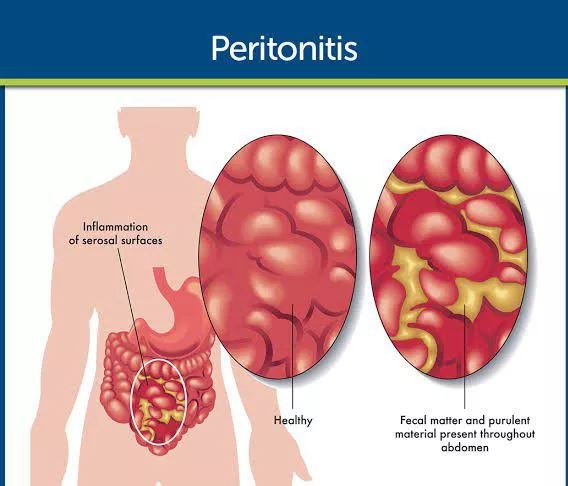
Peritonitis refers to inflammation and infection of the peritoneum, the thin lining that covers the abdominal organs and the inside of the abdominal wall. Secondary peritonitis commonly develops when a perforated abdominal organ releases infected material into the abdominal cavity. Peritonitis Surgery in Lucknow may therefore be required when antibiotics and supportive treatment alone cannot control the source of infection. The surgical goal is to address the underlying perforation and clean or drain contaminated areas of the abdomen.
How Is Perforation Peritonitis Diagnosed?
Diagnosis begins with a physical examination and a review of the patient's symptoms and medical history. The doctor looks for abdominal tenderness, swelling, rigidity, fever, dehydration, and other signs of infection. Blood tests can help identify infection, inflammation, dehydration, and changes in electrolyte levels. Imaging is also important. An abdominal X-ray can sometimes identify free air caused by a perforation, while CT scanning can provide more detailed information about the location and cause of the perforation.
What Are the Types of Perforation Peritonitis Surgery?
The procedure is selected according to the source of the perforation and the condition of the surrounding tissues.
Repair of the Perforation
When the hole is small and the surrounding tissue is healthy enough, the surgeon may close the perforation directly. Additional treatment is then used to control contamination and infection inside the abdomen.
Bowel Resection
If part of the intestine has been severely damaged, infected, or lost its blood supply, that section may need to be removed. The remaining healthy bowel can sometimes be joined together during the same operation.
Bowel Perforation Treatment in Lucknow can therefore involve a bowel resection rather than simply closing the visible hole. The decision is made after assessing the condition of the intestine and the level of abdominal contamination.
Drainage of Infection
An abscess or collection of infected fluid may develop around a perforation. During surgery, the surgeon can drain these infected collections and remove contaminated material from the abdominal cavity.
Temporary Stoma
In some emergency situations, joining the bowel immediately may carry a significant risk of leakage. A temporary colostomy or ileostomy can then be created so that stool passes through an opening in the abdominal wall while the affected area heals.
Whether the stoma can later be reversed depends on the underlying disease, recovery, bowel condition, and overall health.

How Is Perforation Peritonitis Surgery in Lucknow Performed?
The surgical approach depends on the patient’s condition and the cause of the perforation.
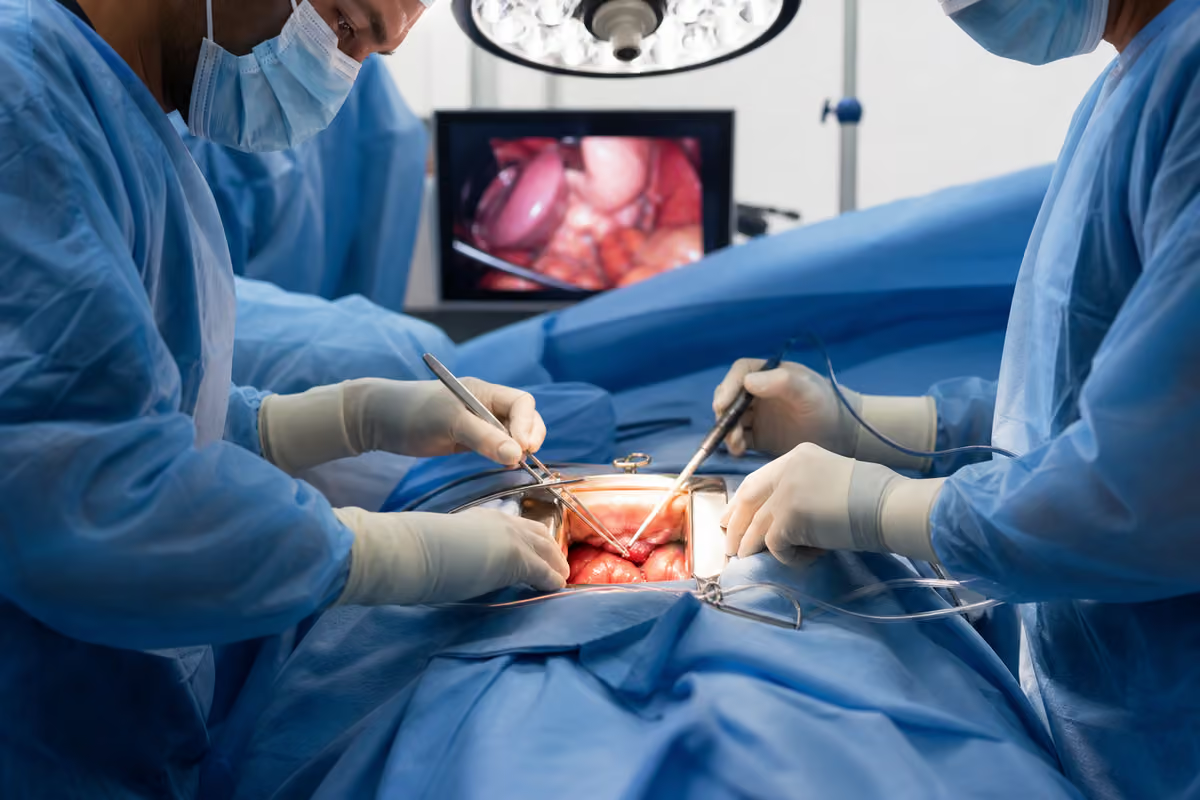
Emergency Abdominal Surgery in Lucknow may be performed through an open operation when rapid access to the abdominal cavity is required, particularly when there is extensive contamination or unstable illness.
In selected situations, laparoscopic surgery can be used through smaller abdominal incisions. The surgeon identifies the perforation, controls the source of leakage, removes damaged tissue when necessary, and addresses infected collections.
For bowel perforation, the surgeon may perform a repair or remove the affected segment. If the bowel cannot safely be reconnected during the emergency procedure, a stoma may be created.
The abdomen may also be washed to remove contaminated material, and drains can be placed when needed.
What Are the Benefits of Perforation Peritonitis Surgery?
Timely surgical treatment can:
- Control leakage from the gastrointestinal tract
- Remove severely damaged bowel
- Drain infected collections
- Reduce contamination inside the abdomen
- Address the underlying cause of perforation
- Help control peritonitis
- Reduce the risk of infection progressing to sepsis
The objective is to control the source of the abdominal infection while preserving as much healthy bowel as safely possible.
Gastrointestinal Perforation Surgery in Lucknow is not simply about repairing a hole. The surgeon also has to assess the surrounding bowel and abdominal cavity because infection and tissue damage can extend beyond the original perforation.
Why Choose Dr. Pradeep Joshi for Perforation Peritonitis Surgery?
Dr. Pradeep Joshi is a trained gastrointestinal, onco, and bariatric surgeon with specialised training in Surgical Gastroenterology. He completed his MCh in Surgical Gastroenterology from JIPMER, Pondicherry, following his MS in General Surgery from SMS Medical College, Jaipur.
His professional experience includes Indraprastha Apollo Hospital, New Delhi, Rajiv Gandhi Cancer Institute, New Delhi, Sri Balaji Action Medical Institute, and King George’s Medical University, Lucknow.
A perforation can arise from different gastrointestinal conditions, so the treatment plan needs to address the actual source of the problem. Bowel Perforation Surgery in Lucknow can involve repair, bowel resection, drainage, or a temporary stoma, depending on the findings during assessment and surgery.
What Can Happen If a Gastrointestinal Perforation Is Left Untreated?
A perforation allows material from the digestive tract to enter the abdominal cavity. This can cause peritonitis, severe infection, tissue damage, and sepsis. A perforated bowel can also lead to internal bleeding or permanent damage to the gastrointestinal tract.
For this reason, suspected perforation should never be managed at home. Perforated Bowel Treatment in Lucknow requires urgent medical assessment, particularly when severe abdominal pain is accompanied by fever, vomiting, swelling, or weakness.
What Happens Before Perforation Peritonitis Surgery?
Patients are generally stabilised as quickly as possible. The medical team may start intravenous fluids, antibiotics, pain medication, oxygen, and other supportive measures while investigations are being performed.
Blood tests and abdominal imaging help identify the source of the perforation. A CT scan can provide detailed information about the affected organ, free air, fluid collections, and the extent of abdominal contamination.
If surgery is required, the surgical team explains the likely procedure and possible outcomes as far as the emergency situation allows. Because perforation peritonitis can deteriorate quickly, treatment cannot always wait for an extended period of observation.
What Are the Risks of Perforation Peritonitis Surgery?
This is often emergency abdominal surgery, and the risks can be higher when infection is widespread or the patient is already unwell.
Possible complications include:
- Bleeding
- Wound or abdominal infection
- Abscess formation
- Leakage from a bowel connection
- Temporary bowel paralysis or ileus
- Blood clots
- Problems related to anaesthesia
- Need for another operation
- Stoma-related complications
The underlying illness also affects recovery. Patients who require bowel resection or have severe peritonitis may need a longer hospital stay.
What Is Recovery Like After Perforation Peritonitis Surgery?
Recovery after Emergency Abdominal Surgery in Lucknow varies considerably because these operations are often performed for serious conditions rather than planned procedures.
Initially, the patient may need IV fluids, antibiotics, pain medicines, oxygen, and close monitoring. Food is usually reintroduced gradually as bowel function returns.
After a bowel resection, recovery can take longer than after a simple repair. Patients with a temporary stoma receive guidance on stoma care and nutrition before leaving the hospital.
The surgical wound also needs regular observation for redness, swelling, discharge, or other signs of infection. Activity is increased gradually according to recovery and medical advice.
When Should You Consult a Gastrointestinal Surgeon in Lucknow?
Perforation is an emergency rather than a condition that should wait for a routine appointment. Seek urgent medical care if there is:
- Sudden or severe abdominal pain
- Increasing abdominal tenderness
- A swollen or rigid abdomen
- Persistent vomiting
- Fever with severe abdominal symptoms
- Difficulty passing stool or gas
- Dizziness, weakness, or reduced urine output
- Severe abdominal symptoms after an injury
Bowel Perforation Treatment in Lucknow should begin as soon as a perforation is suspected because infection inside the abdomen can progress rapidly.
faqs
Frequently Asked Questions About Perforation Peritonitis Surgery
Answers to common questions related to surgery, recovery and appointment
Perforation peritonitis occurs when a hole in the stomach or intestine allows digestive contents and bacteria to enter the abdominal cavity, causing inflammation and infection of the peritoneum. It is a serious condition requiring urgent medical treatment.
Yes. A gastrointestinal perforation can lead to severe peritonitis, sepsis, and damage to abdominal organs if treatment is delayed. Perforated Bowel Treatment in Lucknow should therefore be sought urgently when symptoms suggest a perforation.
Perforated ulcers, appendicitis, diverticulitis, bowel obstruction, inflammatory bowel disease, trauma, tumours, and reduced blood supply to the intestine can all cause gastrointestinal perforation.
Many gastrointestinal perforations require surgery, particularly when there is widespread contamination or established peritonitis. Some small, contained perforations can occasionally be managed with antibiotics and close observation, but this decision requires hospital assessment.
Perforation Peritonitis Surgery in Lucknow can be a major emergency operation because the surgeon may need to repair the perforation, remove damaged bowel, drain infection, and sometimes create a temporary stoma. The extent of surgery is determined by the cause and severity of the condition.
In limited situations, a small and contained perforation can be managed without an operation using antibiotics, bowel rest, and close monitoring. However, a perforation with uncontrolled leakage or significant peritonitis often requires surgery.
Untreated perforation can cause widespread peritonitis, sepsis, tissue death, and organ failure. Gastrointestinal Perforation Surgery in Lucknow may be required to control the source and prevent the infection from spreading further.
Sometimes. If the bowel and the patient's condition allow a safe connection, the healthy ends can be joined. When infection, inflammation, or the patient's overall condition makes immediate reconnection unsafe, a temporary stoma may be created.
A stoma allows stool to leave the body through an opening in the abdominal wall instead of passing through a newly repaired or severely inflamed section of bowel. Bowel Perforation Surgery in Lucknow may involve a temporary stoma when protecting the bowel connection is a priority.
There is no single recovery period. Recovery is influenced by the cause of the perforation, the amount of infection, whether bowel was removed, whether a stoma was created, and the patient's general health. Peritonitis Surgery in Lucknow can require a longer recovery when the infection has been extensive.