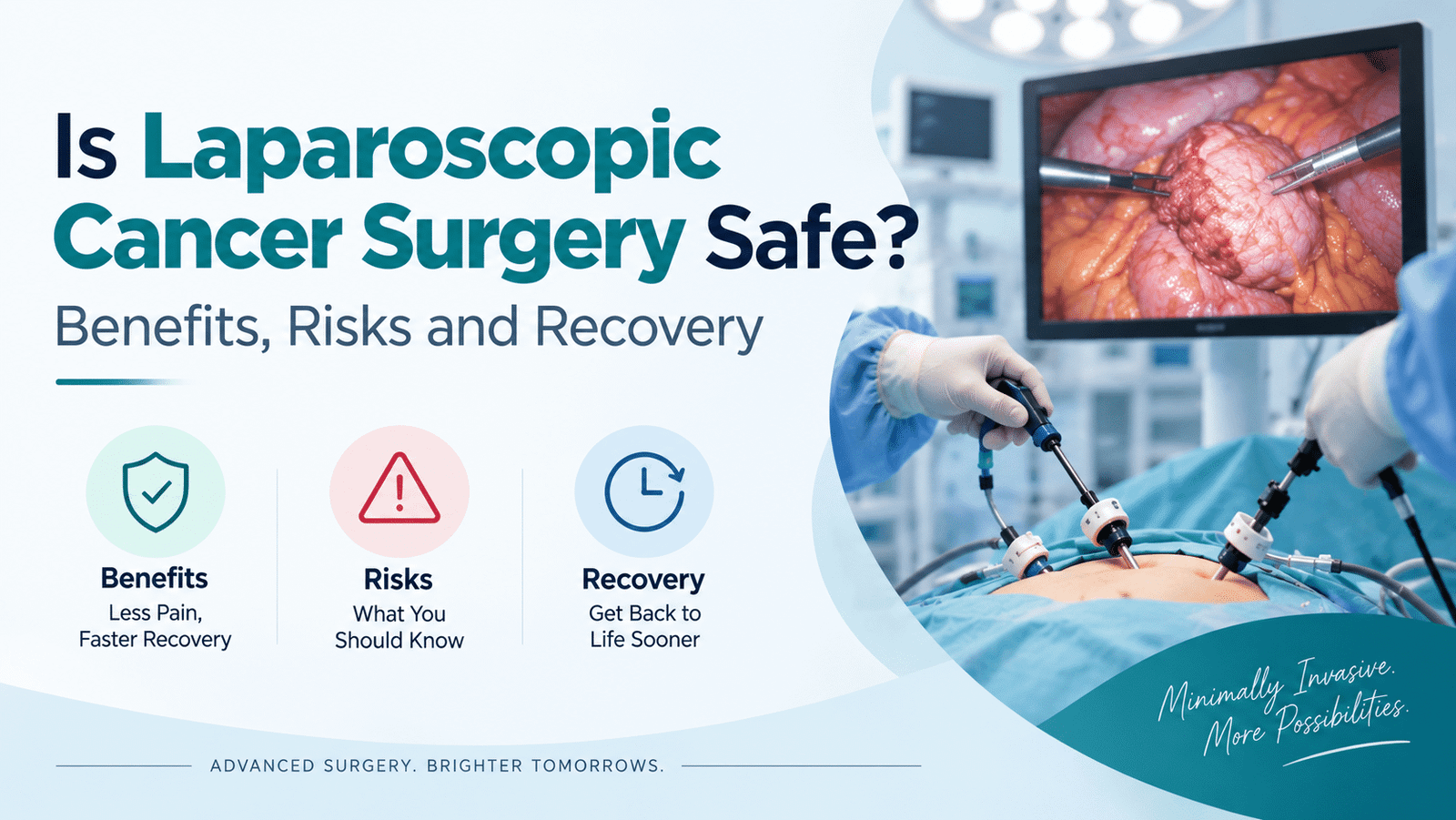
Cancer surgery can feel frightening, especially when you hear the word “surgery.” Many patients worry about pain, recovery time, complications, and whether surgery will completely remove the cancer. Today, advances in surgical techniques have made it possible to treat selected cancers through smaller incisions. One such approach is laparoscopic surgery. Laparoscopic Cancer Surgery in Lucknow is a minimally invasive surgical approach that may be considered for certain cancers, particularly some gastrointestinal cancers. Instead of making one large incision, the surgeon uses small cuts and specialized instruments to perform the procedure. A small camera, called a laparoscope, helps the surgeon see the organs clearly during surgery.
However, laparoscopic surgery is not suitable for every patient or every type of cancer. The decision depends on the location and stage of the cancer, the patient’s overall health, previous surgeries, and other medical factors.
Dr. Pradeep Joshi, Senior Laparoscopic & Gastrointestinal Surgeon, has expertise in advanced laparoscopic procedures, GI oncology, and gastrointestinal surgery. His areas of specialization include laparoscopic GI surgery, cancer surgery, HPB surgery, liver surgery, and other complex gastrointestinal procedures.
What Is Laparoscopic Cancer Surgery?
Laparoscopic Cancer Surgery in Lucknow involves using specialized instruments and a small camera to perform cancer-related surgery through small abdominal incisions. The laparoscope sends images to a monitor, allowing the surgical team to view the area being treated. Depending on the cancer, the procedure may involve removing a tumor, part of an affected organ, nearby tissues, or lymph nodes. The exact operation varies from one cancer to another.
For selected patients, this approach can offer the benefits of minimally invasive surgery while still allowing the surgeon to perform the necessary cancer operation. Laparoscopic surgery may be considered for certain gastrointestinal cancers, including some cancers involving the stomach, colon, rectum, and other parts of the digestive system. However, suitability must always be assessed individually.
Is Laparoscopic Cancer Surgery Safe?
The safety of Laparoscopic Cancer Surgery in Lucknow depends on several factors. Laparoscopic procedures have become an important part of modern surgical care, but like every major operation, they carry potential risks. A laparoscopic approach can be safe and effective when the patient is appropriately selected and the procedure is performed by a trained surgical team with suitable experience and equipment.
Before recommending surgery, the surgeon generally reviews diagnostic scans, biopsy reports, blood tests, medical history, and the overall condition of the patient. The cancer stage and location are also important considerations. In some cases, open surgery may be more appropriate. Therefore, laparoscopic surgery should not be considered automatically better than open surgery. The safest approach is the one that provides appropriate cancer treatment for the individual patient.
Benefits of Laparoscopic Cancer Surgery in Lucknow
One of the main reasons patients may consider Minimally Invasive Cancer Surgery in Lucknow is the possibility of recovering with smaller surgical wounds.
Some potential benefits of laparoscopic surgery include:
Smaller Incisions
Laparoscopic procedures generally use several small incisions instead of one large incision. Smaller wounds may cause less disruption to the abdominal wall.
Less Postoperative Pain
Some patients experience less pain after laparoscopic surgery compared with traditional open surgery. However, pain levels vary depending on the type and extent of the operation.
Faster Recovery
A minimally invasive approach may allow some patients to return to normal activities sooner. Recovery depends on the cancer type, procedure performed, general health, and whether additional treatment is required.
Shorter Hospital Stay
Certain laparoscopic procedures may allow patients to leave the hospital sooner than they might after comparable open surgery. The length of hospital stay depends on the operation and individual recovery.
Smaller Scars
Because laparoscopic surgery uses smaller incisions, the resulting scars may be smaller than those associated with traditional open surgery.
Earlier Return to Daily Activities
Patients who recover well may gradually return to walking, household activities, work, and other normal routines.
These benefits are not guaranteed for every patient. The surgical plan should always prioritize complete and appropriate cancer treatment.
What Types of Cancer Can Be Treated With Laparoscopic Surgery?
Not every cancer can be treated laparoscopically. The suitability of Laparoscopic GI Cancer Surgery in Lucknow depends on the type, location, stage, and extent of the disease.
Laparoscopic techniques may be used in selected cases of gastrointestinal cancers, such as:
- Colon cancer
- Rectal cancer
- Stomach cancer
- Certain small bowel cancers
- Selected cancers involving other gastrointestinal organs
Some liver and pancreatic procedures may also be performed using minimally invasive techniques in appropriately selected patients.
Cancer surgery can be complex. In advanced or complicated cases, open surgery may be recommended if it offers better access or cancer control.
Role of a Laparoscopic Cancer Surgeon in Lucknow
Choosing an experienced Laparoscopic Cancer Surgeon in Lucknow is an important part of planning cancer surgery. Cancer operations require more than simply removing a visible tumor. The surgeon must consider the cancer’s location, surrounding structures, lymph nodes, margins, and the overall treatment plan.
Dr. Pradeep Joshi has specialized training in surgical gastroenterology and experience in advanced laparoscopic and gastrointestinal procedures. His professional qualifications include MBBS, MS in General Surgery, and MCh in Surgical Gastroenterology/GI Surgery. His previous professional experience includes working as a consultant at Rajiv Gandhi Cancer Hospital and Indraprastha Apollo Hospital in New Delhi, as well as serving as an Associate Professor at King George’s Medical University, Lucknow. For cancer patients, the surgical plan should be developed after reviewing the complete clinical picture.
GI Cancer Surgery in Lucknow: When Is It Recommended?
GI Cancer Surgery in Lucknow may be recommended when a cancer affecting the gastrointestinal tract can be treated effectively with surgery.
Surgery may be part of treatment for cancers involving the:
- Stomach
- Colon
- Rectum
- Small intestine
- Liver
- Pancreas
- Other parts of the gastrointestinal system
In some patients, surgery may be the primary treatment. In others, chemotherapy, radiation therapy, targeted therapy, or immunotherapy may be given before or after surgery.
The treatment plan depends on the cancer type and stage.
A multidisciplinary approach can be especially important in complex cancer cases. Surgeons may work with medical oncologists, radiation oncologists, radiologists, pathologists, anesthetists, and other specialists to plan appropriate treatment.
How Is Laparoscopic GI Cancer Surgery Performed?
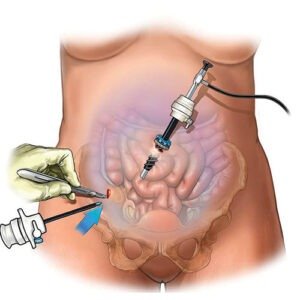
During Laparoscopic GI Cancer Surgery in Lucknow, the patient is placed under general anesthesia. The surgeon usually creates small openings in the abdomen and inserts a laparoscope through one of them. camera provides a magnified view of the internal organs on a monitor. Other small openings may be used to introduce specialized surgical instruments. surgeon carefully separates tissues and removes the cancerous portion according to the planned procedure. In some operations, nearby lymph nodes may also be removed for examination. The removed tissue is sent to a pathology laboratory. The pathology report helps determine important information about the cancer and can guide further treatment.
In some cases, the surgeon may need to convert a laparoscopic operation to open surgery. This decision may be made for safety or to achieve appropriate cancer treatment.
Risks of Laparoscopic Cancer Surgery
Although Cancer Surgery in Lucknow can be performed safely in many appropriate cases, every surgical procedure has potential risks.
Possible risks can include:
- Bleeding
- Infection
- Blood clots
- Injury to nearby organs
- Reactions to anesthesia
- Problems with bowel function
- Leakage from a surgical connection
- Wound-related complications
- Need for additional treatment
- Conversion from laparoscopic to open surgery
The risk level depends on the type of cancer operation, the patient’s health, previous abdominal surgeries, cancer stage, and other factors.
Patients should discuss the potential benefits and risks with their surgeon before making a treatment decision.
Laparoscopic vs Open Cancer Surgery
A common question about Laparoscopic Cancer Surgery in Lucknow is how it compares with traditional open surgery. Open surgery usually requires a larger incision, while laparoscopic surgery uses smaller incisions and a camera-assisted technique. For selected cancers, laparoscopic surgery may provide benefits such as smaller wounds and potentially faster recovery. However, open surgery can be necessary when the tumor is large, locally advanced, difficult to access, or involves structures that require wider exposure. The objective is not simply to make the incision smaller. The primary objective of cancer surgery is appropriate removal and treatment of the cancer. Therefore, the surgeon should select the technique based on the patient’s individual medical condition.
Recovery After Laparoscopic Cancer Surgery
Recovery following Minimally Invasive Cancer Surgery in Lucknow varies from patient to patient. Immediately after surgery, the medical team monitors vital signs, pain, wound condition, and bowel function. The patient may be encouraged to sit up and walk as soon as it is medically appropriate.
A gradual return to food is usually planned according to the type of surgery and recovery.
First Few Days
During the early recovery period, patients may experience tiredness, mild abdominal discomfort, bloating, or changes in bowel habits. These symptoms should be discussed with the medical team if they are severe or persistent.
First Few Weeks
Patients generally increase their activity gradually. Heavy lifting and strenuous exercise may be restricted for a period recommended by the surgeon.
Follow-Up
Follow-up appointments are important after Cancer Surgery in Lucknow. The surgeon reviews wound healing, pathology results, recovery, and the need for further treatment.
Depending on the cancer, additional chemotherapy, radiation, targeted therapy, immunotherapy, or regular surveillance may be recommended.
Diet After Laparoscopic Cancer Surgery
Nutrition plays an important role in recovery after cancer surgery. Your doctor may recommend starting with easily tolerated foods and gradually returning to a regular diet. Adequate protein, fluids, fruits, vegetables, and other nutrient-rich foods may support recovery when appropriate for the patient’s condition.
However, dietary requirements differ depending on the type of surgery. Patients who have undergone stomach, intestinal, liver, or pancreatic surgery may require specific dietary advice. It is important to follow the diet plan provided by the treating medical team rather than following a generic diet from the internet.
When Should You Consult a Laparoscopic Cancer Surgeon?
You may need a consultation with a Laparoscopic Cancer Surgeon in Lucknow if you have been diagnosed with a gastrointestinal cancer or have been advised to undergo cancer surgery.
You should bring relevant reports, such as:
- Biopsy or pathology reports
- CT or MRI scans
- PET scan reports, if performed
- Blood test results
- Previous medical records
- Details of current medications
- Reports from previous treatments
These documents help the surgeon understand your condition and discuss appropriate treatment options.
Why Choose Dr. Pradeep Joshi for Gastrointestinal Cancer Surgery?
Dr. Pradeep Joshi is a Senior Laparoscopic & Gastrointestinal Surgeon with qualifications including MBBS, MS in General Surgery, and MCh in Surgical Gastroenterology/GI Surgery.
His areas of expertise include laparoscopic GI surgery, GI oncology, HPB surgery, liver surgery, liver transplantation, bariatric surgery, and advanced laparoscopic procedures.
His previous association with reputed institutions, including Rajiv Gandhi Cancer Hospital, Indraprastha Apollo Hospital, and King George’s Medical University, adds to his professional experience in gastrointestinal and surgical care.
Patients considering GI Cancer Surgery in Lucknow can discuss their diagnosis, surgical options, expected recovery, and possible risks during a detailed consultation.
The choice of treatment should always be based on the patient’s diagnosis, cancer stage, overall health, and the recommendations of the treating medical team.
Frequently Asked Questions About Laparoscopic Cancer Surgery in Lucknow
1. Is Laparoscopic Cancer Surgery in Lucknow safe?
Laparoscopic Cancer Surgery in Lucknow can be a safe option for appropriately selected patients when performed by a trained surgical team. However, every surgery has risks, and suitability depends on the cancer type, stage, location, and patient’s overall health.
2. How do I find a Laparoscopic Cancer Surgeon in Lucknow?
When choosing a Laparoscopic Cancer Surgeon in Lucknow, consider the surgeon’s qualifications, experience in gastrointestinal and cancer surgery, hospital facilities, and experience with the specific procedure you may require.
3. What is GI Cancer Surgery in Lucknow?
GI Cancer Surgery in Lucknow refers to surgical treatment of cancers affecting the gastrointestinal system, including selected cancers of the stomach, colon, rectum, small intestine, liver, and pancreas. The exact procedure depends on the diagnosis.
4. Is Laparoscopic GI Cancer Surgery in Lucknow suitable for every patient?
No. Laparoscopic GI Cancer Surgery in Lucknow is not suitable for every cancer or every patient. Tumor size, cancer stage, location, previous surgeries, overall health, and other factors are considered before choosing the surgical approach.
5. What are the benefits of Minimally Invasive Cancer Surgery in Lucknow?
Minimally Invasive Cancer Surgery in Lucknow may offer smaller incisions, less postoperative discomfort, smaller scars, and potentially faster recovery in selected patients. Individual results can vary.
6. How long does recovery take after Cancer Surgery in Lucknow?
Recovery after Cancer Surgery in Lucknow depends on the type and extent of surgery, the patient’s health, and whether additional cancer treatment is required. Your surgeon can provide a more personalized recovery estimate.
7. Can laparoscopic surgery be converted to open surgery?
Yes. During Laparoscopic Cancer Surgery in Lucknow, a surgeon may convert the procedure to open surgery if required for patient safety or appropriate cancer treatment. This decision may be made during the operation.
8. Does laparoscopic surgery completely cure cancer?
Laparoscopic surgery is a surgical technique, not a guarantee of cancer cure. The outcome depends on the cancer type, stage, tumor characteristics, completeness of treatment, and other factors. Some patients may also require chemotherapy, radiation, targeted therapy, or immunotherapy.
9. What should I ask a Laparoscopic Cancer Surgeon in Lucknow?
Before surgery, you can ask your Laparoscopic Cancer Surgeon in Lucknow about the type and stage of cancer, recommended operation, surgical approach, expected benefits, possible complications, recovery time, pathology testing, and whether additional cancer treatment may be needed.
Conclusion
Laparoscopic surgery has become an important option in modern gastrointestinal surgical care. For appropriately selected patients, Laparoscopic Cancer Surgery in Lucknow may provide the benefits of a minimally invasive approach while allowing the surgeon to perform the necessary cancer operation. However, laparoscopic surgery is not automatically the right choice for every patient. Cancer type, stage, tumor location, overall health, and the complexity of the operation must all be considered.
If you or a family member has been diagnosed with gastrointestinal cancer, a detailed consultation can help you understand the available surgical options. Dr. Pradeep Joshi, Senior Laparoscopic & Gastrointestinal Surgeon, specializes in advanced laparoscopic surgery, GI oncology, gastrointestinal surgery, liver and pancreatic surgery, and other complex surgical procedures. A personalized evaluation is the best way to determine whether laparoscopic surgery is appropriate for your condition.