Gallbladder surgery, also called cholecystectomy, is one of the most common abdominal surgeries. It is usually performed to treat gallstones, repeated gallbladder inflammation, or other gallbladder-related problems. Most people recover well after surgery and return to their normal activities. However, in some cases, problems involving the bile ducts can occur after gallbladder surgery.
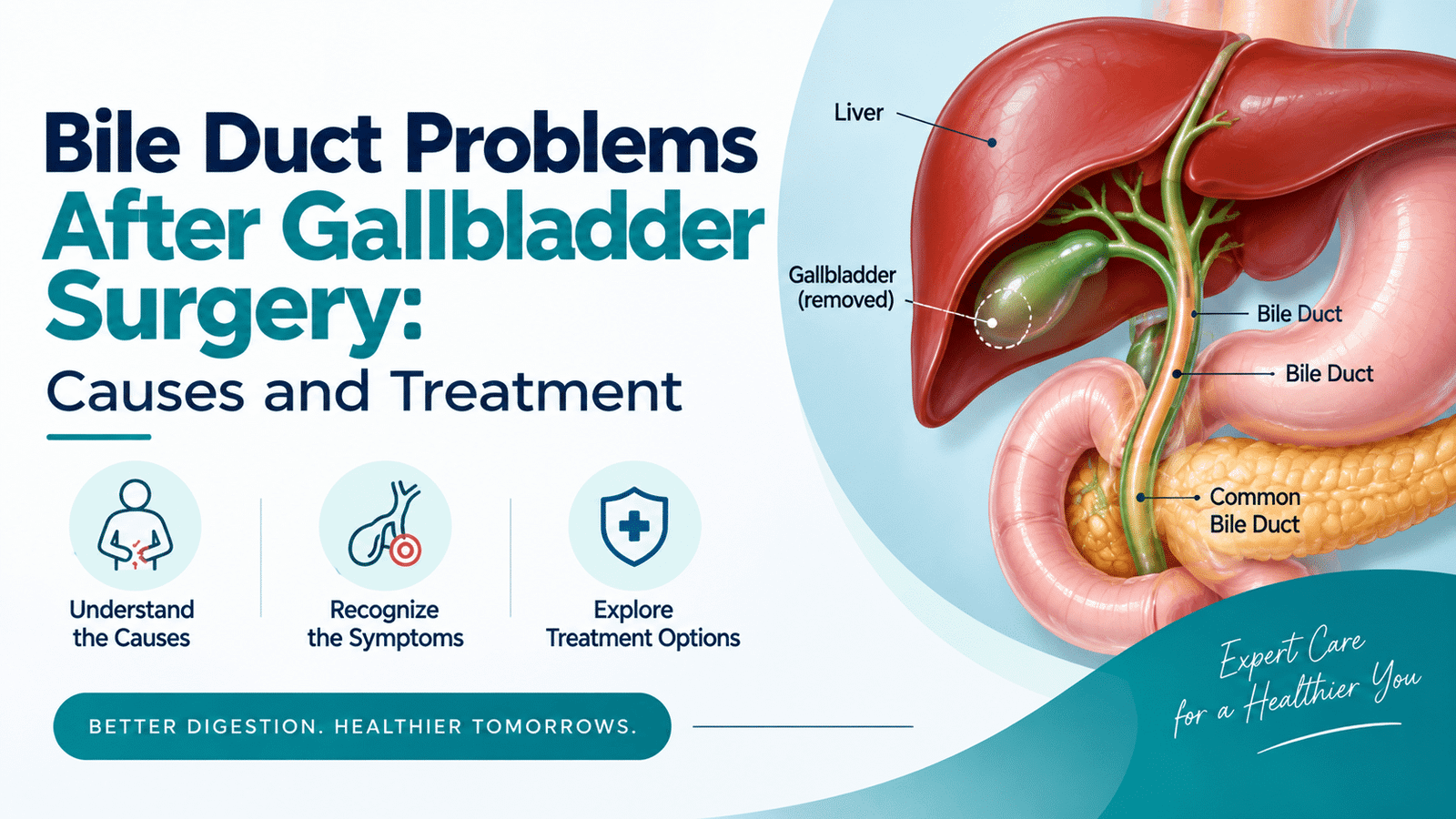
Bile ducts are small tubes that carry bile from the liver and gallbladder to the intestine. Bile helps the body digest fats. If a bile duct becomes blocked, narrowed, injured, or develops a leak, it may cause symptoms that need medical attention.
Understanding these problems can help patients recognise warning signs early. If you are experiencing persistent abdominal pain, jaundice, fever, vomiting, or digestive problems after gallbladder surgery, an experienced specialist can evaluate the cause and recommend appropriate treatment.
For patients looking for Bile Duct Surgery in Lucknow, Dr. Pradeep Joshi, Senior Laparoscopic & Gastrointestinal Surgeon, provides specialised care for complex gastrointestinal and hepatobiliary conditions.
What Are the Bile Ducts?
The bile ducts form a network of small tubes that transport bile from the liver to the small intestine. The gallbladder stores bile, but it is not essential for producing it. After gallbladder removal, the liver continues to make bile, which flows directly into the intestine through the bile ducts.
The main bile duct is called the common bile duct. Problems affecting this duct can interfere with normal bile flow.
When bile cannot flow properly, patients may develop abdominal discomfort, yellowing of the skin or eyes, dark urine, pale stools, nausea, or other symptoms. Early assessment is important because some bile duct problems can become serious if left untreated.
Why Can Bile Duct Problems Occur After Gallbladder Surgery?
Bile duct problems after gallbladder surgery can have several causes. Some may be related to stones that remain in the bile duct, while others can occur because of inflammation, narrowing, injury, or leakage.
Common causes include:
- Retained bile duct stones
- Bile duct injury
- Bile leakage
- Bile duct narrowing or stricture
- Scar tissue
- Infection of the bile ducts
- Inflammation
- Rarely, other diseases affecting the liver or bile ducts
Not every patient with symptoms after gallbladder surgery has a bile duct problem. Therefore, proper evaluation is necessary before deciding on treatment.
Bile Duct Stones After Gallbladder Surgery
One possible cause of symptoms after gallbladder removal is a stone remaining in the bile duct. These are known as common bile duct stones or choledocholithiasis.
A stone may have been present in the bile duct before surgery but not detected. In other cases, a stone can develop later. a bile duct stone can partially or completely block the flow of bile. This may lead to abdominal pain, jaundice, nausea, vomiting, fever, or infection.
Depending on the location and size of the stone, treatment may involve endoscopic procedures such as ERCP or, in selected cases, surgery. Patients searching for Bile Duct Treatment in Lucknow should undergo appropriate imaging and evaluation before treatment is selected.
Symptoms of Bile Duct Problems After Gallbladder Surgery
The symptoms can vary depending on the underlying problem. Some patients may have mild digestive symptoms, while others can develop significant obstruction or infection.
Possible symptoms include:
- Pain in the upper abdomen
- Pain on the right side of the abdomen
- Yellow skin or eyes
- Dark-coloured urine
- Pale or clay-coloured stools
- Fever or chills
- Nausea and vomiting
- Loss of appetite
- Persistent bloating
- Itching
- Digestive discomfort
- Unexplained weakness
Jaundice, severe abdominal pain, fever, or repeated vomiting after gallbladder surgery should not be ignored. A qualified Bile Duct Surgeon in Lucknow can determine whether the symptoms are related to the bile ducts, liver, pancreas, or another digestive condition.
Bile Duct Obstruction After Gallbladder Surgery
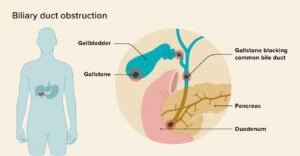
A blockage in the bile duct can prevent bile from reaching the intestine. This condition is known as bile duct obstruction. Gallstones are a common cause, but obstruction may also occur because of scar tissue, strictures, inflammation, or other conditions. When bile flow is blocked, bilirubin can build up in the bloodstream. This may cause jaundice and dark urine.
Bile Duct Obstruction Treatment in Lucknow depends on the cause, location, severity, and overall health of the patient. Treatment may include endoscopic procedures, stone removal, stent placement, or surgery when necessary.
Bile Duct Injury After Gallbladder Surgery
Bile duct injury is an uncommon but recognised complication of gallbladder surgery. It can occur when the anatomy is difficult to identify or when the bile duct is accidentally damaged during the procedure. An injury may cause bile to leak into the abdominal cavity or may lead to narrowing of the bile duct. Possible symptoms include abdominal pain, fever, nausea, jaundice, abdominal swelling, or abnormal liver function tests.
The treatment depends on the type and seve rity of the injury. Some patients may require endoscopic treatment, while complex injuries may need reconstructive surgery. This is one reason why complex hepatobiliary problems should be assessed by an experienced gastrointestinal surgeon.
Bile Leakage After Gallbladder Surgery
Bile leakage can occur when bile escapes from the bile ducts or the area where the gallbladder was removed. Small leaks may sometimes resolve with appropriate treatment. However, persistent leakage can cause abdominal inflammation, infection, or fluid collection.
Doctors may use imaging tests to identify the source of the leak. Treatment can include drainage, endoscopic procedures, stent placement, or surgery depending on the situation. Prompt medical evaluation is particularly important when a patient develops worsening abdominal pain or fever after gallbladder surgery.
Bile Duct Stricture After Gallbladder Surgery
A bile duct stricture means that part of the bile duct has become narrowed. It may develop because of scar tissue following inflammation, injury, or previous surgery. A narrowed bile duct can restrict bile flow and eventually cause jaundice or abnormal liver function.
Some strictures can be managed using endoscopic procedures, balloon dilation, or temporary stent placement. Complex or recurrent strictures may require surgical reconstruction. The treatment plan should be personalised after detailed imaging and evaluation.
How Are Bile Duct Problems Diagnosed?
Doctors may use several tests to understand the cause of symptoms after gallbladder surgery.
Liver Function Tests
Blood tests can measure bilirubin and liver enzymes. Abnormal results may suggest obstruction, inflammation, or another hepatobiliary problem.
Ultrasound
An abdominal ultrasound can help identify bile duct dilation, fluid collections, or stones in some cases.
MRCP
Magnetic Resonance Cholangiopancreatography, or MRCP, is a non-invasive imaging test that provides detailed images of the bile ducts, liver, gallbladder region, and pancreas.
CT Scan
A CT scan may help identify complications such as fluid collections, inflammation, or other abdominal abnormalities.
ERCP
Endoscopic Retrograde Cholangiopancreatography, commonly called ERCP, can be both diagnostic and therapeutic. It may allow doctors to remove bile duct stones, place a stent, or treat certain bile leaks and strictures.
The choice of test depends on the patient’s symptoms and clinical findings.
Bile Duct Treatment in Lucknow: What Are the Treatment Options?
The treatment for a bile duct problem depends on its exact cause. There is no single treatment that is suitable for every patient.
Endoscopic Treatment
ERCP can be used to remove stones, relieve obstruction, treat selected bile leaks, or place a stent in a narrowed duct.
Stent Placement
A temporary or permanent stent may be placed to improve bile drainage in selected patients.
Drainage Procedures
If bile or infected fluid has collected inside the abdomen, drainage may be required.
Surgical Treatment
Some complex bile duct injuries, strictures, or other conditions may require surgery. Surgical reconstruction can help restore proper bile drainage in selected cases.
For patients seeking Bile Duct Treatment in Lucknow, treatment should be based on a detailed assessment rather than symptoms alone.
When Is Bile Duct Surgery in Lucknow Recommended?
Not every bile duct problem requires surgery. Many conditions can be treated through endoscopic or minimally invasive techniques.
However, surgery may be considered when there is:
- A complex bile duct injury
- Severe or persistent bile duct stricture
- Recurrent obstruction
- A condition that cannot be managed adequately through endoscopy
- Complicated bile leakage
- Certain bile duct or gastrointestinal cancers
- Other complex hepatobiliary conditions
The decision depends on the patient’s anatomy, diagnosis, previous surgery, imaging results, and overall health.
For complex cases requiring Bile Duct Surgery in Lucknow, consultation with a surgeon experienced in gastrointestinal and hepatobiliary procedures can help determine the appropriate approach.
Laparoscopic Bile Duct Surgery in Lucknow
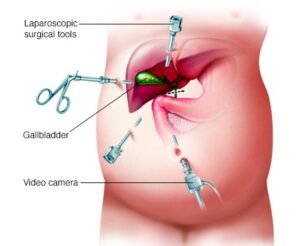
Laparoscopic surgery uses small incisions and specialised instruments instead of one large abdominal incision. When appropriate, minimally invasive techniques can offer advantages such as smaller incisions, potentially less postoperative discomfort, and a faster recovery compared with traditional open surgery.
However, laparoscopic surgery is not suitable for every patient. Previous abdominal surgery, severe inflammation, complex anatomy, advanced disease, or certain bile duct injuries may affect the choice of surgical technique.
Laparoscopic Bile Duct Surgery in Lucknow should therefore be considered only after a detailed clinical and imaging assessment. The surgeon will explain whether a laparoscopic approach, endoscopic procedure, open surgery, or another treatment is most appropriate.
Recovery After Bile Duct Surgery
Recovery depends on the type of treatment performed and the patient’s overall health.
After minimally invasive procedures, some patients may return to routine activities relatively quickly. More complex bile duct reconstruction or open surgery may require a longer recovery period.
Patients are generally advised to:
- Follow the surgeon’s dietary recommendations
- Take prescribed medicines correctly
- Avoid strenuous activities until cleared
- Attend follow-up appointments
- Report fever, increasing pain, jaundice, or vomiting promptly
- Follow wound-care instructions after surgery
Recovery should be monitored because bile duct conditions can sometimes require additional follow-up imaging or blood tests.
How Can You Choose the Right Bile Duct Surgeon in Lucknow?
Bile duct conditions can sometimes be complex, particularly when symptoms occur after previous surgery.
When choosing a Bile Duct Surgeon in Lucknow, patients may consider the surgeon’s qualifications, experience in gastrointestinal surgery, experience with hepatobiliary conditions, and familiarity with minimally invasive procedures.
Dr. Pradeep Joshi is a Senior Laparoscopic & Gastrointestinal Surgeon with qualifications including MBBS, MS (General Surgery), and MCh in Surgical Gastroenterology / GI Surgery. His areas of expertise include advanced laparoscopic surgery, GI oncology, hepatobiliary-pancreatic surgery, liver surgery, liver transplant surgery, and bariatric surgery.
He has also worked as a former consultant at Rajiv Gandhi Cancer Hospital and Indraprastha Apollo Hospital in New Delhi and as a former Associate Professor at King George’s Medical University, Lucknow.
For patients considering Bile Duct Surgery in Lucknow, an individual consultation can help identify the cause of symptoms and understand the available treatment options.
When Should You See a Doctor?
You should seek medical attention if you develop persistent or worsening symptoms after gallbladder surgery.
Contact a doctor promptly if you experience:
- Yellowing of the eyes or skin
- Severe or persistent abdominal pain
- Fever or chills
- Repeated vomiting
- Dark urine with pale stools
- Increasing abdominal swelling
- Unexplained weakness
- Persistent digestive problems
Some symptoms can indicate bile duct obstruction or infection and may require timely treatment.
Frequently Asked Questions About Bile Duct Surgery in Lucknow
1. What is Bile Duct Surgery in Lucknow used to treat?
Bile Duct Surgery in Lucknow may be considered for selected conditions such as complex bile duct injuries, strictures, persistent obstruction, complicated bile leakage, and certain hepatobiliary diseases. Not every bile duct problem requires surgery, and treatment depends on the diagnosis.
2. What is Bile Duct Treatment in Lucknow after gallbladder removal?
Bile Duct Treatment in Lucknow may involve medicines, ERCP, stone removal, stent placement, drainage, or surgery. The appropriate treatment depends on whether the problem is caused by a retained stone, obstruction, injury, leakage, stricture, or another condition.
3. How do I find an experienced Bile Duct Surgeon in Lucknow?
When choosing a Bile Duct Surgeon in Lucknow, consider qualifications and experience in gastrointestinal, hepatobiliary, and minimally invasive surgery. A detailed consultation and review of imaging and medical history are important before treatment.
4. What is Bile Duct Obstruction Treatment in Lucknow?
Bile Duct Obstruction Treatment in Lucknow depends on the cause of the blockage. ERCP may be used to remove stones or improve bile drainage, while stents, drainage procedures, or surgery may be required in selected cases.
5. Is Laparoscopic Bile Duct Surgery in Lucknow suitable for everyone?
No. Laparoscopic Bile Duct Surgery in Lucknow may be suitable for selected patients, but complex injuries, severe inflammation, previous surgeries, or certain diseases may require another approach. The surgeon decides the safest technique after evaluation.
6. Can bile duct problems happen after gallbladder surgery?
Yes. Although most patients recover without major complications, bile duct stones, leaks, injuries, strictures, and obstruction can occasionally occur after gallbladder surgery. Persistent symptoms should be evaluated rather than ignored.
7. How long does recovery take after bile duct surgery?
Recovery varies depending on the procedure and the patient’s health. Endoscopic treatment may have a shorter recovery period, while complex bile duct surgery may require a longer period of healing and follow-up.
8. Is every bile duct blockage treated with surgery?
No. Some blockages, particularly those caused by stones, may be treated through endoscopic procedures such as ERCP. Surgery is generally considered when endoscopic treatment is unsuitable, unsuccessful, or when the underlying condition requires surgical correction.
Conclusion
Bile duct problems after gallbladder surgery can occur for different reasons, including retained stones, bile leakage, bile duct injury, strictures, or obstruction. Symptoms such as abdominal pain, jaundice, fever, dark urine, pale stools, and vomiting should be evaluated by a qualified medical professional. Early diagnosis can help identify the cause and guide appropriate treatment. Depending on the condition, treatment may involve ERCP, stent placement, drainage, minimally invasive procedures, or surgery.
If you are looking for Bile Duct Surgery in Lucknow, Dr. Pradeep Joshi, Senior Laparoscopic & Gastrointestinal Surgeon, has expertise in advanced laparoscopic, gastrointestinal, hepatobiliary, pancreatic, liver, and GI oncology surgery. A personalised consultation can help determine the cause of your symptoms and whether surgical or non-surgical treatment is appropriate.