Stomach Cancer Surgery in Lucknow
- Home
- Stomach Cancer Surgery in Lucknow
Stomach cancer, also called gastric cancer, develops when abnormal cells in the lining of the stomach grow and multiply uncontrollably. The disease can occur in different parts of the stomach and may spread to nearby lymph nodes or other organs as it progresses. Treatment depends on the type and stage of cancer, its location, and the patient’s overall health.
Stomach Cancer Surgery in Lucknow involves surgical procedures used to remove stomach cancer and, when required, nearby lymph nodes or surrounding tissues. Depending on the tumour’s location and extent, surgery may involve removing part of the stomach or the entire stomach. The remaining digestive tract is then reconstructed to allow food to pass through the digestive system.
Dr. Pradeep Joshi is a trained gastrointestinal, onco, and bariatric surgeon with specialised qualifications in Surgical Gastroenterology. He completed his MBBS from GSVM Medical College, Kanpur, MS in General Surgery from SMS Medical College, Jaipur, and MCh in Surgical Gastroenterology from JIPMER, Pondicherry.
His clinical interests include laparoscopic GI surgery, GI oncology, liver and pancreatic surgery, hepatobiliary surgery, and bariatric surgery. Each patient is assessed individually to determine the appropriate surgical approach based on the diagnosis, endoscopy findings, pathology, cancer stage, imaging, general health, and treatment requirements.
What Is Stomach Cancer Surgery in Lucknow?
Stomach Cancer Surgery in Lucknow refers to surgical treatment for selected patients with gastric cancer. The main objective is to remove the cancer along with an appropriate margin of healthy tissue and nearby lymph nodes when indicated.
The extent of surgery depends largely on where the tumour is located and how far it has spread. A partial gastrectomy removes only part of the stomach, while a total gastrectomy removes the entire stomach. In both procedures, the digestive tract is reconstructed so that food can continue moving from the oesophagus into the small intestine.
Some stomach cancer operations can be performed using minimally invasive techniques in appropriately selected patients. Open surgery may be necessary when the tumour is extensive or the anatomy is complex.
What Types of Stomach Cancer Can Require Surgery?
Surgery may be considered for selected gastric cancers, particularly when the tumour can be removed safely.
Depending on the diagnosis, surgery may be used for:
- Localised stomach cancer
- Selected locally advanced stomach cancer
- Tumours affecting the upper or lower part of the stomach
- Gastric tumours involving nearby structures
- Selected recurrent stomach cancers
- Certain gastrointestinal stromal tumours (GISTs)
The exact operation depends on the tumour’s location, size, depth of invasion, lymph-node involvement, and whether the disease has spread elsewhere.
How Is Stomach Cancer Diagnosed Before Surgery?
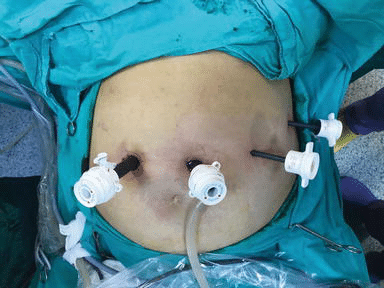
Diagnosis generally involves upper gastrointestinal endoscopy, during which a doctor examines the stomach lining and may take tissue samples for pathology.
Additional investigations can include blood tests, CT scans, endoscopic ultrasound, and other imaging studies. In selected patients, staging laparoscopy may be performed to look for cancer spread within the abdominal cavity that may not be visible on imaging.
These investigations help determine the tumour's location, depth, lymph-node involvement, and possible spread to distant organs. Accurate staging is important because it helps the treatment team decide whether surgery is appropriate and whether chemotherapy or other treatment should be given before or after the operation.
What Are the Main Types of Stomach Cancer Surgery?
Partial gastrectomy involves removing the part of the stomach containing the tumour. Nearby lymph nodes are generally removed when appropriate for cancer treatment. The remaining stomach is then connected to the small intestine or reconstructed according to the surgical plan.
When Is Stomach Cancer Surgery Recommended?
Stomach Cancer Surgery in Lucknow may be recommended when the cancer is considered surgically removable and the patient is fit enough to undergo the procedure.
For many stomach cancers that haven’t spread to distant organs, surgery forms an important part of treatment. However, some locally advanced cancers may be treated with chemotherapy before surgery to reduce the risk of recurrence and improve the chances of successful treatment.
Factors that may influence the treatment decision include:
- Type of stomach cancer
- Tumour location
- Tumour size and depth
- Lymph-node involvement
- Spread to nearby tissues
- Presence of distant metastasis
- Response to chemotherapy or other treatment
- Previous abdominal surgery
- Nutritional status
- General health and ability to tolerate major surgery
Not every patient with stomach cancer requires surgery. When cancer has spread extensively or cannot be safely removed, systemic treatment or other approaches may be recommended instead.
How Is Stomach Cancer Surgery in Lucknow Performed?
Before surgery, the surgeon reviews endoscopy findings, biopsy and pathology reports, CT or other imaging, blood tests, previous medical history, medications, nutritional status, and cancer staging.
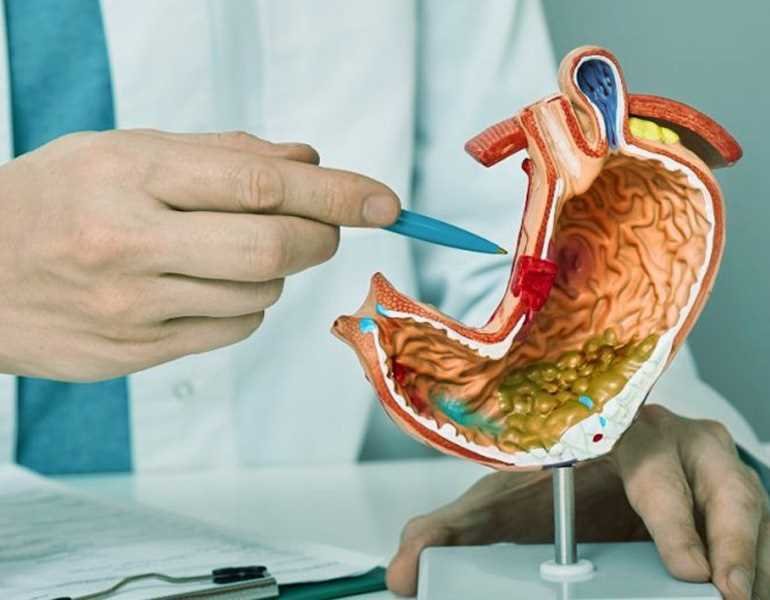
During the operation, the surgeon removes the portion of the stomach containing the tumour or the entire stomach, depending on the cancer’s location and extent. Appropriate surrounding tissue and regional lymph nodes may also be removed.
After a partial gastrectomy, the remaining stomach is connected to the small intestine. Following a total gastrectomy, the oesophagus is connected directly to the small intestine. These reconstructions allow food to continue moving through the digestive tract.
Selected procedures can be performed laparoscopically or using robotic techniques. Open surgery may be required for larger tumours, extensive disease, complex anatomy, or when it provides better surgical access.
What Are the Benefits of Stomach Cancer Surgery?
When surgery is appropriate, the primary goal is to remove the stomach cancer completely along with the required surrounding tissue and lymph nodes.
Potential benefits may include:
- Removal of the primary stomach tumour
- Removal of nearby lymph nodes when indicated
- Treatment of selected localised or locally advanced gastric cancers
- Relief of symptoms caused by obstruction or bleeding in selected cases
- Obtaining a complete specimen for pathological examination
- Potential contribution to long-term cancer control
The expected outcome depends on the cancer stage, tumour biology, completeness of tumour removal, lymph-node involvement, general health, and whether additional cancer treatment is required.
Why Choose Dr. Pradeep Joshi for Stomach Cancer Surgery?
Dr. Pradeep Joshi is a gastrointestinal, onco, and bariatric surgeon with specialised training in Surgical Gastroenterology.
He completed his MBBS from GSVM Medical College, Kanpur, MS in General Surgery from SMS Medical College, Jaipur, and MCh in Surgical Gastroenterology from JIPMER, Pondicherry.
His previous professional experience includes Indraprastha Apollo Hospital, New Delhi; Rajiv Gandhi Cancer Institute, New Delhi; Sri Balaji Action Medical Institute; and King George’s Medical University, Lucknow.
His clinical interests include gastrointestinal oncology, laparoscopic GI surgery, liver and pancreatic surgery, hepatobiliary surgery, and bariatric surgery.
For patients looking for a Stomach Cancer Surgeon in Lucknow, factors such as specialist training, experience with gastric cancer surgery, familiarity with the required surgical procedure, hospital facilities, multidisciplinary cancer support, and clear communication about treatment options should be considered.
What Can Happen If Stomach Cancer Is Left Untreated?
Stomach cancer can progress over time. As the tumour grows, it may invade deeper layers of the stomach, involve nearby lymph nodes, or spread to distant organs.
Depending on the tumour’s location and stage, patients may develop persistent indigestion, abdominal discomfort, early fullness after eating, nausea, vomiting, difficulty eating, unexplained weight loss, anaemia, or gastrointestinal bleeding.
Some of these symptoms can also occur with non-cancerous stomach conditions, so they don’t necessarily indicate cancer. Persistent or unexplained symptoms should be evaluated through appropriate medical investigations.
For confirmed stomach cancer, the treatment team should determine the stage and discuss the appropriate sequence of surgery, chemotherapy, and other treatments.
What Happens Before Stomach Cancer Surgery?
Before Stomach Cancer Surgery in Lucknow, the medical team evaluates the cancer diagnosis, stage, nutritional status, general health, previous treatments, medications, and ability to undergo surgery.
Depending on the case, preoperative assessment may include:
- Upper gastrointestinal endoscopy
- Biopsy and pathology review
- Blood tests
- CT scan
- Endoscopic ultrasound in selected cases
- PET-CT in selected situations
- Staging laparoscopy when required
- Nutritional assessment
- Chest and cardiac evaluation when appropriate
- Anaesthesia assessment
Patients with stomach cancer may also receive nutritional support before surgery if weight loss or poor nutritional status is present.
Depending on the stage, chemotherapy may be recommended before surgery. The surgeon and oncology team should explain the treatment sequence before the operation.
The planned procedure, expected reconstruction, possible complications, alternatives, and recovery should be discussed before informed consent.
What Are the Risks of Stomach Cancer Surgery?
Gastrectomy is a major abdominal operation and carries potential risks. The risk depends on the type and extent of surgery, cancer stage, nutritional condition, general health, and whether other organs are involved.
Possible complications can include:
- Bleeding
- Infection
- Leakage from the surgical connection
- Abdominal fluid collection
- Delayed stomach emptying after partial gastrectomy
- Bowel obstruction
- Blood clots
- Nutritional deficiencies
- Weight loss
- Changes in bowel habits
- Reflux or digestive symptoms
- Complications related to anaesthesia
After total or extensive stomach removal, patients may require long-term nutritional monitoring and supplementation. Vitamin B12 deficiency can occur because the stomach plays a role in vitamin B12 absorption.
What Is Recovery Like After Stomach Cancer Surgery in Lucknow?
Recovery after stomach cancer surgery depends on whether a partial or total gastrectomy was performed, the surgical approach, general health, nutritional condition, and whether complications occur.
After surgery, the medical team monitors pain, wound healing, bowel function, hydration, nutrition, and other aspects of recovery.
Food and fluids are introduced gradually. After gastrectomy, patients usually need to adjust to smaller and more frequent meals because the stomach’s capacity has been reduced or the stomach has been removed.
Nutritional support is particularly important. Some patients may require vitamin and mineral supplementation, including vitamin B12 after total gastrectomy.
Patients are encouraged to increase physical activity gradually as medically appropriate. Heavy lifting and strenuous exercise may need to be restricted for a period based on the operation and recovery.
For cancer patients, follow-up includes review of the final pathology report and may involve chemotherapy or other treatment depending on the cancer stage and pathological findings.
When Should You Consult a Stomach Cancer Surgeon in Lucknow?
A consultation with a Stomach Cancer Surgeon in Lucknow may be appropriate when a gastric tumour has been diagnosed or when endoscopy, imaging, or biopsy findings indicate a suspicious stomach lesion.
Medical evaluation should also be considered for persistent symptoms such as:
- Unexplained weight loss
- Persistent indigestion
- Recurrent abdominal discomfort
- Feeling full after eating small amounts
- Persistent nausea or vomiting
- Difficulty swallowing
- Blood in vomit or stool
- Unexplained anaemia
- Reduced appetite
- An abnormal finding on endoscopy or imaging
- A confirmed stomach tumour
These symptoms can have several causes and don’t necessarily indicate cancer. However, persistent or unexplained symptoms warrant appropriate medical evaluation.
faqs
Frequently Asked Questions About Stomach Cancer Surgery in Lucknow
Answers to common questions related to surgery, recovery and appointment
Stomach Cancer Surgery in Lucknow refers to surgical treatment for selected patients with gastric cancer. Surgery may involve removing part of the stomach or the entire stomach, along with nearby lymph nodes and surrounding tissue when required.
The main procedures include partial gastrectomy and total gastrectomy. The choice depends on the location, size, and extent of the tumour.
Yes. Surgery may be an important treatment for stomach cancer that can be removed safely. Depending on the stage, chemotherapy may be given before or after surgery.
Not always. Some tumours can be treated with partial gastrectomy, allowing part of the stomach to remain. Total gastrectomy may be required when the tumour is extensive or located in a part of the stomach where partial removal isn't appropriate.
Selected stomach cancer operations can be performed using laparoscopic or minimally invasive techniques. Suitability depends on tumour location, stage, size, previous surgery, anatomy, and the complexity of the operation.
Lymph nodes near the stomach may be removed during cancer surgery because they can contain cancer cells. The extent of lymph-node removal depends on the cancer and the planned operation.
Some patients with locally advanced stomach cancer receive chemotherapy before surgery. This decision depends on the cancer stage, tumour characteristics, overall health, and the multidisciplinary treatment plan.
After partial or total gastrectomy, the digestive system is reconstructed so food can continue passing into the small intestine. Patients may need smaller, more frequent meals and nutritional monitoring after surgery.
Recovery varies according to the type and extent of gastrectomy, surgical technique, general health, nutritional condition, and whether complications occur. Major surgery may require a longer hospital stay and several weeks or more for recovery.
Consider the surgeon's specialist qualifications, experience with gastric cancer surgery, familiarity with the required procedure, access to appropriate hospital facilities, multidisciplinary cancer support, nutritional care, and clear communication about treatment options and risks.