Colorectal Surgery in Lucknow
- Home
- Colorectal Surgery in Lucknow
The colon and rectum form the lower part of the large intestine and play an important role in absorbing water, storing stool, and regulating bowel movements. Conditions affecting these areas can include colorectal cancer, diverticular disease, inflammatory bowel disease, polyps, rectal prolapse, and other disorders that may require surgical treatment.
Colorectal Surgery in Lucknow includes surgical procedures used to treat selected conditions affecting the colon, rectum, and surrounding tissues. Depending on the diagnosis, surgery may involve removing a portion of the colon or rectum, removing a tumour and nearby lymph nodes, repairing a structural problem, or creating a temporary or permanent stoma when necessary.
The appropriate operation depends on the location and extent of the disease, the patient’s bowel function, previous abdominal surgery, general health, and the overall treatment plan.
Dr. Pradeep Joshi is a trained gastrointestinal, onco, and bariatric surgeon with specialised qualifications in Surgical Gastroenterology. He completed his MBBS from GSVM Medical College, Kanpur, MS in General Surgery from SMS Medical College, Jaipur, and MCh in Surgical Gastroenterology from JIPMER, Pondicherry.
His clinical interests include laparoscopic GI surgery, GI oncology, liver and pancreatic surgery, hepatobiliary surgery, and bariatric surgery. Each patient is assessed individually to determine the appropriate surgical approach based on the diagnosis, imaging findings, pathology, disease stage, general health, and treatment requirements.
What Is Colorectal Surgery in Lucknow?
Colorectal Surgery in Lucknow refers to surgical treatment for conditions affecting the colon and rectum. The procedure can range from removing a small section of the bowel to more extensive surgery involving the colon, rectum, nearby lymph nodes, or surrounding tissues.
For colorectal cancer, surgery may involve removing the section containing the tumour along with nearby lymph nodes and reconnecting the remaining bowel when this is medically appropriate. Depending on the location and extent of the disease, some patients may require a temporary or permanent stoma.
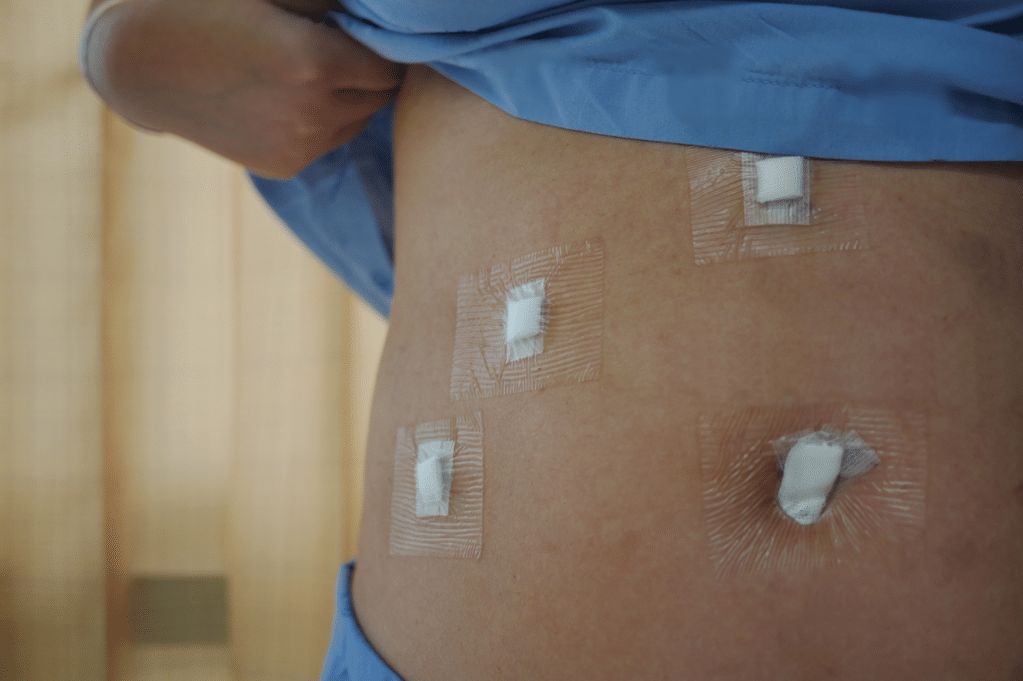
Colorectal procedures can be performed using open, laparoscopic, or robotic techniques in selected cases. The safest and most appropriate approach depends on the individual condition.
What Conditions Can Require Colorectal Surgery?
Colorectal surgery may be considered for several conditions, including:
- Colon cancer
- Rectal cancer
- Large or high-risk colorectal polyps
- Diverticular disease with complications
- Inflammatory bowel disease in selected cases
- Intestinal obstruction
- Bowel perforation
- Rectal prolapse
- Selected colorectal bleeding conditions
- Certain benign tumours or other structural disorders of the colon and rectum
Not every colorectal condition requires surgery. Some conditions can be managed with medication, endoscopic treatment, dietary measures, or observation. Surgery is considered when the disease, symptoms, complications, or risk of progression make an operation appropriate.
What Are the Main Types of Colorectal Surgery?
The type of operation depends on the affected part of the bowel and the underlying condition.
Colectomy involves removing part or, in selected situations, a larger portion of the colon. The remaining bowel may be joined together when appropriate.
Right or left hemicolectomy involves removing the corresponding section of the colon along with surrounding tissues and lymph nodes when indicated.
Sigmoid colectomy involves removing the sigmoid colon and may be performed for selected cancers, diverticular disease, or other conditions affecting this part of the bowel.
Low anterior resection is used for selected rectal cancers and involves removing the affected portion of the rectum while preserving the anal sphincter when this can be done safely.
Abdominoperineal resection may be required for selected low rectal cancers when preserving the anal sphincter isn't possible or appropriate. This operation results in a permanent colostomy.
How Are Colorectal Conditions Diagnosed Before Surgery?
Diagnosis depends on the suspected condition. Evaluation may include a physical examination, blood tests, stool tests, colonoscopy, biopsy, CT scans, MRI, or other investigations.
For suspected colorectal cancer, colonoscopy allows the doctor to examine the bowel and obtain tissue for pathology. Imaging helps determine the size and location of the tumour and whether lymph nodes or other organs may be involved.
For rectal cancer, pelvic MRI is often used to assess the local extent of the tumour and help plan treatment. Accurate staging helps determine whether surgery should be performed first or whether chemotherapy, radiotherapy, or other treatment should be given beforehand.

When Is Colorectal Surgery Recommended?
Colorectal Surgery in Lucknow may be recommended when a colorectal condition cannot be adequately managed with non-surgical treatment or when surgery offers an appropriate way to remove diseased tissue or manage a complication.
For colorectal cancer, surgery is commonly used when the tumour is considered removable. The exact timing depends on whether the cancer is located in the colon or rectum, its stage, involvement of nearby structures, and whether additional treatment is required.
Factors that may influence the decision include:
- Type of colorectal condition
- Location of the disease
- Size and extent of the lesion
- Cancer stage, when applicable
- Lymph-node involvement
- Spread to nearby or distant organs
- Presence of obstruction or perforation
- Previous abdominal or colorectal surgery
- Bowel function
- General health and nutritional condition
- Ability to tolerate anaesthesia and surgery
Some patients with rectal cancer receive chemotherapy, radiotherapy, or both before surgery. Patients with colon cancer may receive chemotherapy before or after surgery depending on the stage and treatment plan.
How Is Colorectal Surgery in Lucknow Performed?
The surgical technique depends on the location and nature of the colorectal disease.
Before surgery, the surgeon reviews colonoscopy findings, biopsy or pathology reports, CT or MRI scans, blood tests, previous medical records, medications, and other relevant information.
During colorectal cancer surgery, the affected portion of the colon or rectum is removed along with nearby lymph nodes and surrounding tissue when clinically required. The remaining sections of bowel may then be joined together if a safe connection can be made.
This connection is called an anastomosis. When a bowel connection isn’t considered safe or appropriate, the surgeon may create a stoma. A colostomy connects the colon to an opening in the abdominal wall, while an ileostomy brings the end of the small intestine to the abdominal wall. A stoma may be temporary or permanent depending on the operation and individual circumstances.
Some colorectal procedures can be performed laparoscopically or robotically. Open surgery may be required when the disease is extensive, anatomy is complex, there is significant scarring from previous operations, or an open approach is considered more appropriate.
Why Choose Dr. Pradeep Joshi for Colorectal Surgery?
Dr. Pradeep Joshi is a gastrointestinal, onco, and bariatric surgeon with specialised training in Surgical Gastroenterology.
He completed his MBBS from GSVM Medical College, Kanpur, MS in General Surgery from SMS Medical College, Jaipur, and MCh in Surgical Gastroenterology from JIPMER, Pondicherry.
His previous professional experience includes Indraprastha Apollo Hospital, New Delhi; Rajiv Gandhi Cancer Institute, New Delhi; Sri Balaji Action Medical Institute; and King George’s Medical University, Lucknow.
His clinical interests include gastrointestinal oncology, laparoscopic GI surgery, liver and pancreatic surgery, hepatobiliary surgery, and bariatric surgery.
For patients looking for a Colorectal Surgeon in Lucknow, relevant specialist training, experience with the particular colorectal condition and procedure, familiarity with minimally invasive techniques, hospital facilities, multidisciplinary support, and a clear treatment plan are important factors to consider.
What Can Happen If a Colorectal Condition Is Left Untreated?
The consequences of an untreated colorectal condition depend on its cause. Some benign conditions may remain stable, while others can progressively worsen or cause complications.
Colorectal cancer can enlarge and invade nearby tissues or spread to lymph nodes and distant organs. Other colorectal conditions can result in bowel obstruction, perforation, bleeding, infection, or changes in bowel function when they become severe.
Possible symptoms include persistent changes in bowel habits, blood in the stool, abdominal discomfort, unexplained weight loss, anaemia, constipation, diarrhoea, or a feeling that the bowel isn’t emptying completely.
These symptoms can have several causes and don’t necessarily indicate cancer. Persistent or unexplained symptoms should be medically evaluated.
What Happens Before Colorectal Surgery?
Before Colorectal Surgery in Lucknow, the medical team evaluates the diagnosis, location and extent of disease, bowel function, nutritional condition, previous operations, medications, and overall health.
Depending on the condition, preoperative assessment may include:
- Blood tests
- Colonoscopy
- Biopsy and pathology review
- CT scan
- MRI, particularly for selected rectal cancers
- Chest imaging when required
- Nutritional assessment
- Cardiac evaluation when appropriate
- Anaesthesia assessment
For colorectal cancer, the treatment team may also discuss whether chemotherapy or radiotherapy is needed before or after surgery.
Patients may receive instructions regarding fasting, bowel preparation, medications, diet, smoking, and other preparation requirements.
The surgeon should explain the planned operation, possible complications, whether a bowel connection or stoma may be required, expected recovery, alternatives, and the possibility of open surgery before informed consent.
What Are the Risks of Colorectal Surgery?
Colorectal surgery is a major abdominal procedure in many cases and carries potential risks.
Possible complications can include:
- Bleeding
- Wound or abdominal infection
- Anastomotic leakage
- Bowel obstruction
- Temporary changes in bowel function
- Blood clots
- Urinary complications
- Injury to nearby structures
- Stoma-related complications when a stoma is created
- Hernia at the incision site
- Recurrence of disease or cancer
- Complications related to anaesthesia
The risk varies according to the type and extent of surgery, the patient’s general health, nutritional status, previous operations, and whether the surgery is planned or performed urgently.
What Is Recovery Like After Colorectal Surgery in Lucknow?
Recovery after colorectal surgery depends on the type of operation, surgical approach, amount of bowel removed, general health, nutritional status, and whether complications occur.
After surgery, the medical team monitors pain, wound healing, bowel function, hydration, nutrition, urinary function, and other aspects of recovery. Patients are generally encouraged to begin appropriate movement as early as medically suitable.
Food and fluids are reintroduced according to the patient’s condition. Bowel function may take some time to settle after surgery, and bowel movements can temporarily become more frequent, less predictable, or different in consistency.
Patients with a new ileostomy or colostomy receive guidance about stoma care, diet, hydration, and managing the stoma.
Activity is increased gradually. Heavy lifting and strenuous physical activity may need to be restricted for a period based on the operation and individual recovery.
For patients treated for colorectal cancer, follow-up may include pathology review, blood tests, imaging, colonoscopy, and additional chemotherapy or other treatment when indicated.
When Should You Consult a Colorectal Surgeon in Lucknow?
A consultation with a Colorectal Surgeon in Lucknow may be appropriate when investigations identify a colorectal tumour, large polyp, structural problem, or another condition that may require surgical treatment.
Medical evaluation may also be appropriate for persistent symptoms such as:
- Blood in the stool
- Persistent changes in bowel habits
- Unexplained weight loss
- Persistent abdominal pain or discomfort
- Unexplained anaemia
- Recurrent constipation or diarrhoea
- Persistent rectal bleeding
- A feeling of incomplete bowel emptying
- A suspected colorectal tumour or polyp
- Abnormal findings on colonoscopy or imaging
These symptoms can occur with conditions other than cancer, but persistent or unexplained changes in bowel function should be evaluated.
faqs
Frequently Asked Questions About Colorectal Surgery in Lucknow
Answers to common questions related to surgery, recovery and appointment
Colorectal Surgery in Lucknow refers to surgical procedures used to treat selected conditions affecting the colon and rectum. Surgery may involve removing diseased bowel, a tumour, nearby lymph nodes, or other affected tissues.
Colorectal surgery may be considered for colon or rectal cancer, large or high-risk polyps, complicated diverticular disease, inflammatory bowel disease, bowel obstruction, perforation, rectal prolapse, and selected other colorectal conditions.
Yes. Surgery is an important treatment for many localised colorectal cancers when the tumour can be removed. The timing and type of surgery depend on the cancer's location and stage and whether chemotherapy or radiotherapy is required.
Selected colon and rectal procedures can be performed using laparoscopic techniques. Whether this approach is appropriate depends on the disease, surgical complexity, previous operations, and the patient's overall condition.
A colectomy is an operation in which part or, in selected cases, a larger portion of the colon is removed. The remaining bowel may be reconnected when it is safe and appropriate.
Not every patient requires a stoma. A temporary or permanent colostomy or ileostomy may be necessary depending on the location of the disease, type of operation, safety of the bowel connection, and individual surgical circumstances.
Rectal cancer often requires more detailed assessment of the pelvis and may involve chemotherapy or radiotherapy before surgery. The operation depends on the tumour's location, stage, relationship to the anal sphincter, and response to treatment.
Recovery varies according to the type and extent of surgery, surgical technique, general health, and whether complications occur. Patients usually increase food intake, movement, and daily activities gradually under medical guidance.
Some patients require additional cancer treatment, while others don't. The decision depends on the cancer type, stage, pathology findings, tumour characteristics, and whether treatment was already given before surgery.
Consider the surgeon's specialist qualifications, experience with the specific colorectal condition and procedure, familiarity with minimally invasive surgery when appropriate, hospital facilities, multidisciplinary cancer support, and clear communication about treatment options, risks, and recovery.