Laparoscopic Hernia Surgery
- Home
- Laparoscopic Hernia Surgery
A hernia develops when an internal organ or tissue pushes through a weak area in the surrounding muscle or connective tissue. Hernias can occur in different parts of the abdominal wall and groin. Common types include inguinal, umbilical, incisional, femoral, and some other abdominal wall hernias.
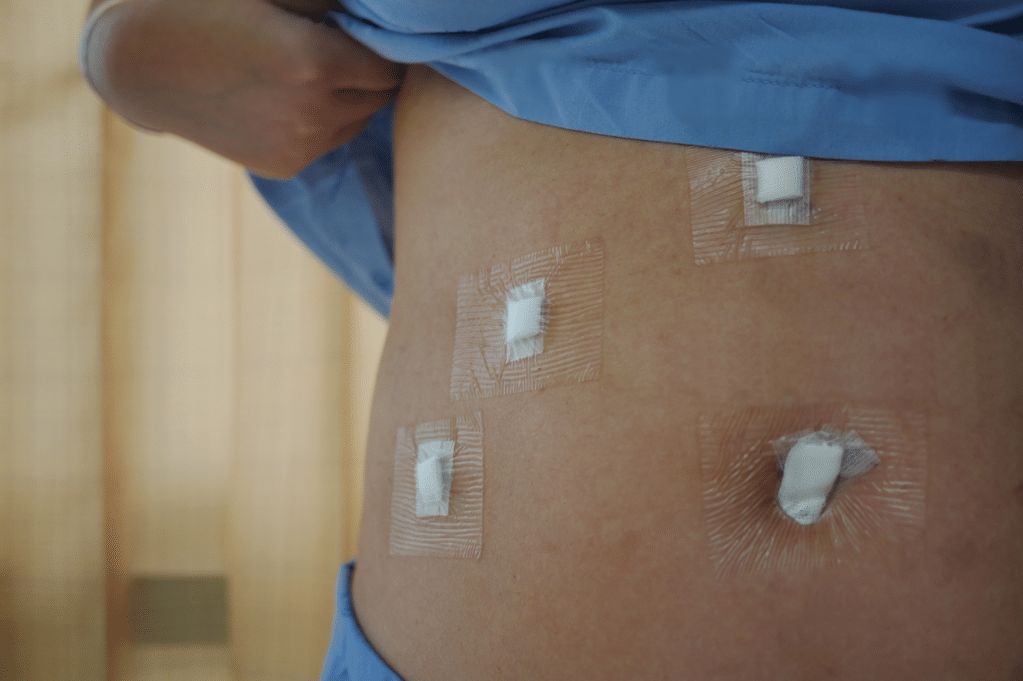
Laparoscopic Hernia Surgery in Lucknow is a minimally invasive surgical approach used to repair selected hernias through small abdominal incisions. A laparoscope, fitted with a camera, allows the surgeon to view the affected area on a monitor and place surgical mesh or perform the required repair. The appropriate technique depends on the type, size, location, and complexity of the hernia and the patient’s overall health.
Dr. Pradeep Joshi is a trained gastrointestinal, onco, and bariatric surgeon with specialised qualifications in Surgical Gastroenterology. He completed his MBBS from GSVM Medical College, Kanpur, MS in General Surgery from SMS Medical College, Jaipur, and MCh in Surgical Gastroenterology from JIPMER, Pondicherry.
His clinical interests include laparoscopic GI surgery, GI oncology, liver and pancreatic surgery, hepatobiliary surgery, and bariatric surgery. Each patient is assessed individually to determine the appropriate surgical approach based on the type of hernia, previous surgeries, medical history, general health, and treatment requirements.
What Is Laparoscopic Hernia Surgery in Lucknow?
Laparoscopic Hernia Surgery in Lucknow is a minimally invasive procedure used to repair a hernia through small incisions rather than one large surgical opening.
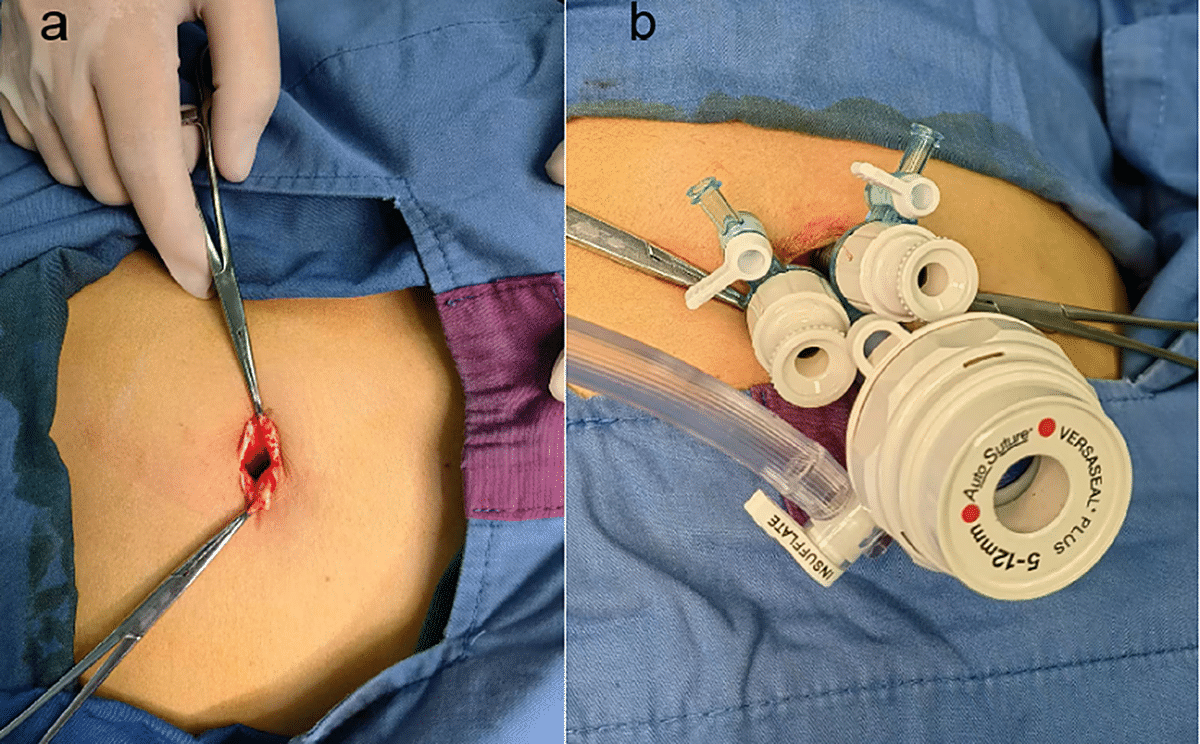
During the procedure, a laparoscope is inserted through a small incision to provide a magnified view of the abdominal wall and hernia. Additional small openings allow the surgeon to introduce surgical instruments. The protruding tissue is returned to its appropriate position, and the weakened area is repaired, often with surgical mesh when clinically appropriate.
Different laparoscopic techniques may be used depending on the location and type of hernia. The choice between laparoscopic, open, or another approach depends on the individual case.
What Types of Hernia Can Be Treated With Laparoscopic Surgery?
Laparoscopic hernia repair may be considered for selected types of abdominal wall and groin hernias, including:
- Inguinal hernia
- Bilateral inguinal hernia
- Recurrent inguinal hernia after previous open repair
- Femoral hernia
- Selected umbilical hernias
- Selected incisional hernias
- Some complex abdominal wall hernias
Not every hernia is suitable for laparoscopic treatment. Hernia size, location, previous abdominal operations, the presence of complications, and the patient’s overall health can influence the choice of surgical technique.
How Does a Hernia Develop?
A hernia develops when tissue pushes through a weak point in the muscle or connective tissue that normally keeps abdominal organs and tissues in place.
Factors that may contribute to hernia formation include:
- Weakness in the abdominal wall
- Previous abdominal surgery
- Repeated heavy lifting
- Chronic coughing
- Persistent constipation and straining
- Obesity
- Pregnancy
- Increasing age
- Family history of hernias
- Certain conditions that increase abdominal pressure
A hernia may initially cause a small, painless bulge. Over time, the bulge may become more noticeable, particularly when standing, coughing, lifting, or straining.
How Is Laparoscopic Hernia Surgery in Lucknow Performed?
Before surgery, the surgeon examines the hernia and reviews the patient’s medical history, previous operations, medications, and relevant investigations. Imaging may be advised when the diagnosis is uncertain or when the hernia is complex.
The procedure is performed under general anaesthesia. A few small incisions are made, and carbon dioxide gas may be used to create working space inside the abdomen.
A laparoscope is inserted through one of the incisions. The surgeon views the hernia and surrounding structures on a monitor while using specialised instruments through the other openings.
The hernia contents are returned to their appropriate position, and the weakened area is reinforced. In many laparoscopic repairs, a surgical mesh is placed over the defect to provide additional support and reduce the chance of recurrence.
The small incisions are then closed. The exact technique depends on the hernia’s location and the surgical approach selected for the patient.
In some situations, open surgery may be safer or more appropriate, particularly when the hernia is very large, complicated, associated with extensive previous surgery, or requires a different type of repair.

What Are the Benefits of Laparoscopic Hernia Surgery?
When laparoscopic repair is appropriate, the minimally invasive approach may offer several potential benefits compared with some open procedures.
These may include:
- Smaller surgical incisions
- Less disruption to the abdominal wall
- Reduced postoperative discomfort in some patients
- Earlier movement after surgery
- Shorter hospital stay in selected cases
- Faster return to routine activities for some patients
- Ability to examine and repair certain bilateral or recurrent groin hernias through the same approach
The actual recovery experience varies from patient to patient. Laparoscopic surgery isn’t automatically the best option for every hernia, and the expected benefits should be weighed against the surgical risks.
Why Choose Dr. Pradeep Joshi for Laparoscopic Hernia Surgery?
Dr. Pradeep Joshi is a gastrointestinal, onco, and bariatric surgeon with specialised training in Surgical Gastroenterology.
He completed his MBBS from GSVM Medical College, Kanpur, MS in General Surgery from SMS Medical College, Jaipur, and MCh in Surgical Gastroenterology from JIPMER, Pondicherry.
His previous professional experience includes Indraprastha Apollo Hospital, New Delhi; Rajiv Gandhi Cancer Institute, New Delhi; Sri Balaji Action Medical Institute; and King George’s Medical University, Lucknow.
His clinical interests include laparoscopic GI surgery, gastrointestinal oncology, liver and pancreatic surgery, hepatobiliary surgery, and bariatric surgery.
For patients looking for a Laparoscopic Hernia Surgeon in Lucknow, factors such as specialist surgical training, experience with the particular type of hernia, familiarity with minimally invasive techniques, hospital facilities, and an individualised treatment plan should be considered.
What Can Happen If a Hernia Is Left Untreated?
A hernia doesn’t always cause immediate problems, but it can become larger or more symptomatic over time. Some patients may develop increasing discomfort, difficulty with physical activities, or complications involving the tissue trapped within the hernia.
In some cases, a portion of the intestine or other tissue can become trapped in the hernia opening. This is known as incarceration. If the blood supply to the trapped tissue becomes compromised, it can result in strangulation, which requires urgent medical treatment.
Warning symptoms can include sudden severe pain, a hernia bulge that becomes firm or cannot be pushed back, persistent vomiting, abdominal swelling, or difficulty passing stool or gas.
A painful, irreducible hernia accompanied by these symptoms requires prompt medical assessment.
What Happens Before Laparoscopic Hernia Surgery?
Before Laparoscopic Hernia Surgery in Lucknow, the surgeon evaluates the type and location of the hernia, its size, symptoms, previous operations, and the patient’s overall health.
Depending on the case, assessment may include:
- Physical examination
- Blood tests
- Ultrasound
- CT scan for selected or complex hernias
- Review of previous surgical records
- Assessment of medications and medical conditions
- Anaesthesia evaluation
Patients may receive instructions about fasting, medications, smoking, diabetes management, and other preparation requirements.
The surgeon should explain the proposed repair, whether mesh is likely to be used, possible complications, expected recovery, alternatives, and the possibility of converting to open surgery when clinically necessary.
What Are the Risks of Laparoscopic Hernia Surgery?
Laparoscopic hernia repair is commonly performed, but like any surgical procedure, it carries potential risks.
Possible complications can include:
- Pain or discomfort
- Bleeding or bruising
- Wound or mesh infection
- Seroma or fluid collection
- Temporary difficulty passing urine
- Injury to nearby organs, blood vessels, or nerves
- Persistent groin or abdominal pain
- Hernia recurrence
- Complications related to anaesthesia
- Blood clots or other postoperative complications
The risk varies according to the type of hernia, previous surgery, surgical technique, general health, and other individual factors.
What Is Recovery Like After Laparoscopic Hernia Surgery in Lucknow?
Recovery after laparoscopic hernia surgery is generally influenced by the type and size of the hernia, the repair technique, the patient’s general health, and whether complications occur.
After surgery, patients are monitored for pain, wound condition, movement, urination, and other aspects of early recovery. Light movement is usually encouraged as appropriate.
Food and fluids can generally be resumed according to the patient’s condition. Mild soreness or tightness around the operated area can occur during the early recovery period.
Patients can usually increase their daily activities gradually. The timing for returning to work, exercise, driving, and heavy lifting depends on the type of repair and the surgeon’s advice.
Follow-up appointments allow the surgical team to assess wound healing, recovery, and any symptoms that develop after the procedure.
When Should You Consult a Laparoscopic Hernia Surgeon in Lucknow?
A consultation with a Laparoscopic Hernia Surgeon in Lucknow may be appropriate if you notice a new or persistent bulge in the abdomen, groin, navel, or previous surgical site.
You should seek medical evaluation for:
- A visible abdominal or groin lump
- Pain or discomfort at the site of a hernia
- A bulge that becomes more noticeable when coughing or standing
- A gradually increasing hernia
- A recurrent hernia after previous surgery
- Difficulty performing physical activities because of the hernia
- A suspected incisional hernia after abdominal surgery
Urgent medical assessment is needed if a hernia suddenly becomes very painful, hard, discoloured, or cannot be pushed back, particularly when accompanied by vomiting, abdominal swelling, or difficulty passing stool or gas.
Why Patient-Centred Laparoscopic Hernia Surgery Matters?
Hernia repair isn’t the same for every patient. The appropriate surgical approach depends on the type and location of the hernia, its size, previous operations, symptoms, abdominal wall condition, and overall health.
Patient-centred Laparoscopic Hernia Surgery in Lucknow involves examining the hernia carefully, discussing surgical and non-surgical options where appropriate, and selecting a repair technique that fits the individual patient’s condition.
For recurrent, bilateral, incisional, or complex hernias, surgical planning may require particular attention to previous mesh placement, scar tissue, abdominal wall anatomy, and the location of the hernia defect.
faqs
Frequently Asked Questions About Laparoscopic Hernia Surgery in Lucknow
Answers to common questions related to surgery, recovery and appointment
Laparoscopic Hernia Surgery in Lucknow is a minimally invasive procedure used to repair selected hernias through small incisions. A camera and specialised instruments are used to identify and repair the hernia, often with surgical mesh.
Selected inguinal, bilateral inguinal, femoral, umbilical, incisional, and recurrent hernias may be suitable for laparoscopic repair. The appropriate technique depends on the individual hernia and the patient's medical history.
Mesh is commonly used in many laparoscopic hernia repairs to reinforce the weakened area of the abdominal wall. Whether mesh is appropriate depends on the type of hernia and the planned repair.
Neither approach is automatically better for every patient. Laparoscopic surgery may offer advantages in selected cases, while open repair may be more appropriate for certain large, complicated, or anatomically difficult hernias.
In selected patients with bilateral inguinal hernias, both sides can be repaired during the same laparoscopic procedure. The suitability of this approach depends on the patient's condition and the surgeon's assessment.
The duration varies according to the type, size, and complexity of the hernia and whether it is a primary or recurrent repair. Your surgeon can provide a more specific estimate after evaluating the hernia.
Many patients can gradually resume routine activities relatively soon after surgery, but recovery varies. Strenuous exercise and heavy lifting should be resumed only according to the surgeon's advice.
Yes. Hernia recurrence is possible after any repair, although surgical techniques and mesh reinforcement are used to reduce the risk. Factors such as the type of hernia, tissue quality, previous repairs, and postoperative recovery can influence recurrence.
Some pain, soreness, or tightness around the operated area is expected after surgery. Laparoscopic procedures use smaller incisions, and some patients may experience less postoperative discomfort than with certain open repairs. Pain levels vary between individuals.
Consider the surgeon's specialist qualifications, experience with laparoscopic hernia repair, familiarity with the particular type of hernia, hospital facilities, approach to mesh and recurrence prevention, and clear communication about the expected recovery and possible risks.