Laparoscopic Cancer Surgery in Lucknow
- Home
- Laparoscopic Cancer Surgery in Lucknow
Cancer surgery may be recommended when a tumour needs to be removed, diagnosed more precisely, or treated as part of a broader cancer-care plan. Depending on the location, size, stage, and type of tumour, minimally invasive surgery may be considered for selected patients. Laparoscopic Cancer Surgery in Lucknow uses small abdominal incisions and specialised instruments to access and remove cancerous tissue when this approach is clinically appropriate.
Dr. Pradeep Joshi is a trained gastrointestinal, onco, and bariatric surgeon with specialised qualifications in Surgical Gastroenterology. He completed his MBBS from GSVM Medical College, Kanpur, MS in General Surgery from SMS Medical College, Jaipur, and MCh in Surgical Gastroenterology from JIPMER, Pondicherry. His clinical interests include laparoscopic GI surgery and GI oncology.
The appropriate surgical approach depends on cancer type, tumour location, stage, imaging findings, previous treatments, general health, and the possibility of achieving adequate cancer clearance. A detailed evaluation helps determine whether minimally invasive surgery or another surgical approach is more suitable.
What Is Laparoscopic Cancer Surgery in Lucknow?
Laparoscopic Cancer Surgery in Lucknow is a minimally invasive surgical approach used for selected cancers, particularly certain gastrointestinal and abdominal tumours. Instead of one large incision, the surgeon generally uses several smaller incisions to introduce a camera and specialised surgical instruments.
The suitability of laparoscopic surgery varies from one cancer to another. In some patients, it can be used to remove the tumour and surrounding tissues while following appropriate oncological principles. In other situations, open surgery may provide a safer or more appropriate approach.
How Does Cancer Develop and When Is Cancer Surgery in Lucknow Required?
Cancer develops when abnormal cells grow and multiply uncontrollably. Depending on the type and location of cancer, treatment may involve surgery, chemotherapy, radiotherapy, targeted therapy, immunotherapy, or combinations of these treatments.
For selected gastrointestinal cancers, Gastrointestinal Cancer Surgery in Lucknow may form an important part of treatment. Surgery may involve removing the primary tumour along with a margin of surrounding tissue and, when required, nearby lymph nodes.
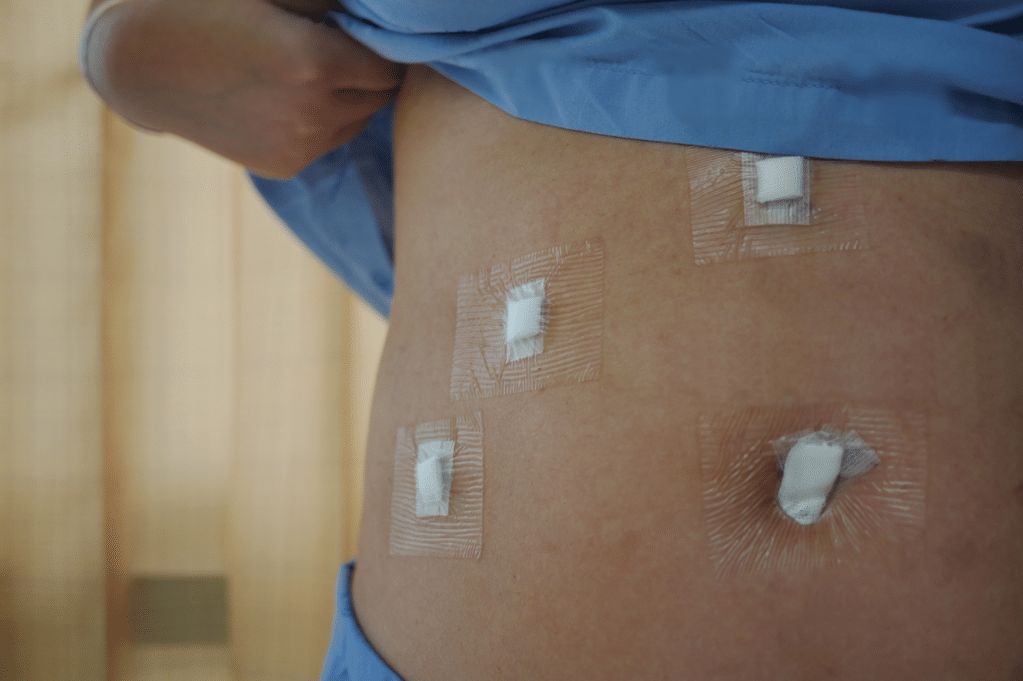
What Does Laparoscopic Cancer Surgery Involve?
During laparoscopic surgery, small incisions are made to introduce a camera and instruments. The abdominal area is viewed on a monitor, allowing the surgeon to perform the planned procedure through these access points.
Is Laparoscopic Cancer Surgery Suitable for Every Patient?
No. Laparoscopic surgery is not appropriate for every cancer patient. Tumour size, location, stage, invasion into surrounding structures, previous abdominal operations, overall health, and the technical requirements of the procedure all influence the decision.
When Is Laparoscopic Cancer Surgery Recommended?
Laparoscopic cancer surgery may be considered for selected patients when the tumour can be safely accessed and removed through a minimally invasive approach while maintaining appropriate cancer-surgery principles.
It may be considered in certain gastrointestinal and abdominal cancers, depending on the individual diagnosis. The decision may take into account:
- Type and location of cancer
- Tumour size and stage
- Imaging and biopsy findings
- Involvement of nearby organs or lymph nodes
- Previous abdominal surgery
- General medical condition
- Expected benefits and risks of the surgical approach
- Whether complete tumour removal is technically achievable
Not every cancer requires surgery, and surgery may not always be the first treatment. Treatment planning may involve a multidisciplinary team when appropriate.

How Is Laparoscopic Cancer Surgery in Lucknow Performed?
Before surgery, the patient undergoes appropriate evaluation, which may include imaging, blood tests, biopsy or pathology reports, and other investigations depending on the cancer type.
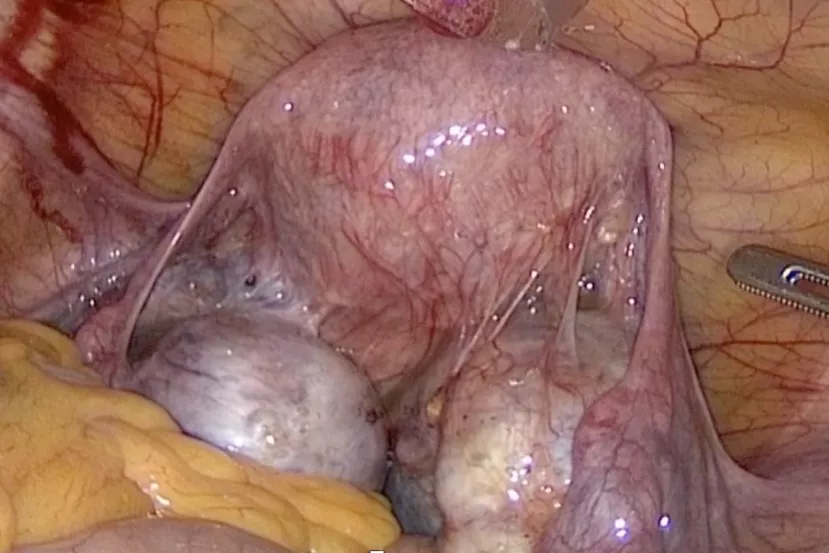
During the procedure, general anaesthesia is administered. Small abdominal incisions are made, and a laparoscope is introduced to provide an enlarged view of the operative area.
Specialised instruments are then used to carefully dissect and remove the tumour and, where indicated, surrounding tissues or lymph nodes. The specimen may be removed through an appropriately planned incision.
Depending on the operation, the digestive tract or other affected structures may need to be reconstructed. The surgical team also checks the operative area for bleeding and other concerns before completing the procedure.
If unexpected findings or technical difficulties make minimally invasive surgery unsuitable, conversion to open surgery may be necessary when this provides a safer or more appropriate treatment.
What Are the Benefits of Laparoscopic Cancer Surgery in Lucknow?
For appropriately selected patients, laparoscopic cancer surgery may offer advantages associated with minimally invasive access. These may include:
- Smaller surgical incisions
- Less disruption of abdominal tissues
- Reduced postoperative discomfort in some patients
- Earlier mobilisation
- Potentially shorter hospital stay in suitable cases
- Earlier return to routine activities
- Smaller visible scars
However, the priority in cancer surgery is appropriate tumour treatment and safe surgical clearance. Minimally invasive surgery should not be selected solely because the incisions are smaller.
Why Choose Dr. Pradeep Joshi for Cancer Surgery?
Cancer can behave differently depending on its type and stage. If treatment is delayed, some cancers may continue to grow or spread to nearby tissues, lymph nodes, or distant organs.
Progression can sometimes lead to symptoms such as increasing pain, bleeding, obstruction, difficulty eating, unexplained weight loss, anaemia, or changes in bowel habits. However, symptoms vary considerably between different cancers.
Early evaluation of concerning symptoms can help identify the underlying cause and determine whether further testing or treatment is required. Patients diagnosed with cancer should discuss treatment timing and available options with their treating medical team rather than delaying care.
What Happens Before Laparoscopic Cancer Surgery?
Before surgery, the medical team reviews the patient’s diagnosis, pathology reports, imaging, medications, previous surgeries, allergies, and general health.
Depending on the cancer, additional investigations may be required to determine its stage and whether surgery is appropriate. Nutritional status and other medical conditions may also need to be addressed before an operation.
Patients are generally given instructions regarding fasting, medications, smoking or tobacco use, bowel preparation when required, and admission arrangements.
The expected procedure, possible complications, possibility of conversion to open surgery, recovery, and alternative treatment options should be discussed before consent is obtained.
What Is Recovery Like After Laparoscopic Cancer Surgery in Lucknow?
Recovery after laparoscopic cancer surgery varies according to the cancer type, operation performed, extent of tissue removal, patient’s general health, and whether additional treatments are required.
After surgery, the medical team monitors pain, bowel function, fluid intake, wound healing, and other aspects of recovery. Early movement may be encouraged when medically appropriate to support recovery and reduce complications associated with prolonged inactivity.
Diet is usually progressed gradually according to the procedure and digestive function. Some patients may initially require dietary modifications before returning to a more regular eating pattern.
Light activities can generally be resumed progressively, while strenuous exercise and heavy lifting may need to be avoided for a period recommended by the surgical team.
Follow-up appointments are important after cancer surgery. The final pathology report may help determine further treatment and surveillance requirements. Depending on the cancer, additional chemotherapy, radiotherapy, targeted therapy, or other oncology care may be recommended.
When Should You Consult a Cancer Surgeon in Lucknow?
You should consider specialist evaluation when cancer has been diagnosed or when investigations suggest a tumour that may require surgical assessment.
Consultation may also be appropriate for symptoms such as:
- Persistent unexplained weight loss
- Blood in the stool or vomit
- Persistent abdominal pain
- Unexplained anaemia
- Persistent changes in bowel habits
- Difficulty swallowing
- Recurrent vomiting
- A suspected or confirmed abdominal tumour
- Abnormal findings on imaging or endoscopy
These symptoms do not always indicate cancer, but persistent or unexplained symptoms should be evaluated appropriately.
Why Patient-Centred Cancer Surgery Matters?
Cancer treatment should be planned around the individual rather than based on the surgical technique alone. The same type of cancer can present differently in different patients, and treatment decisions may change according to stage, tumour characteristics, medical history, and previous therapies.
A patient-centred approach involves reviewing diagnostic information, discussing available treatment options, explaining expected benefits and risks, and considering whether laparoscopic, open, or another treatment approach is appropriate.
For GI Cancer Surgery in Lucknow, coordination between surgeons, gastroenterologists, oncologists, radiologists, pathologists, and other specialists may be important depending on the patient’s condition.
faqs
Frequently Asked Questions About Laparoscopic Cancer Surgery in Lucknow
Answers to common questions related to surgery, recovery and appointment
Laparoscopic Cancer Surgery in Lucknow is a minimally invasive approach used for selected cancers, particularly certain gastrointestinal and abdominal tumours. Small incisions are used to introduce a camera and specialised instruments.
No. Suitability depends on factors such as cancer type, stage, tumour size, location, involvement of surrounding structures, previous surgery, and the patient's overall health.
Selected gastrointestinal and abdominal cancers may be treated laparoscopically. The appropriate approach depends on the specific cancer and whether adequate tumour removal can be achieved safely.
Laparoscopic surgery uses several small incisions and specialised instruments, while open surgery generally requires a larger incision. The choice depends on the cancer and the safest way to perform the required operation.
Operating time varies significantly depending on the type and extent of cancer surgery. Complex procedures may take considerably longer than simpler operations.
Some postoperative pain and discomfort are expected after surgery. Pain management is provided according to the procedure and individual needs, and discomfort generally changes as recovery progresses.
Recovery varies according to the operation, cancer type, overall health, and whether additional treatment is required. The surgical team provides individual guidance regarding hospital stay, activity, diet, and follow-up.
Yes. If the surgeon encounters unexpected anatomy, extensive disease, bleeding, or another situation where open surgery is safer, conversion may be necessary.
Not necessarily. The primary goal is safe and appropriate cancer treatment. Laparoscopic surgery may be beneficial for selected patients, but open surgery may be more suitable for some cancers or complex cases.
When choosing a surgeon, consider relevant surgical qualifications, experience with the specific cancer and procedure, hospital facilities, multidisciplinary support, and the surgeon's approach to explaining treatment options, risks, and expected recovery.